REVIEW · PHILADELPHIA
Museum of the American Revolution Admission Ticket with Audio Guided Option
Book on Viator →Operated by Museum of the American Revolution · Bookable on Viator
Revolutionary history gets human scale fast. This Philadelphia museum turns the American Revolution into walk-through scenes, with standout artifacts like George Washington’s original headquarters tent. I like that it’s easy to pair with the Historic District, since you can walk over from the Liberty Bell and Independence Hall.
I really love the two consecutive days on the same ticket. It gives you breathing room if you want to slow down for the interactive stations, films, and life-size displays instead of rushing the “greatest hits” in one go. I also like the audio-guided option you pick up at checkout, because it helps connect the big scenes to names, dates, and choices you might otherwise miss.
One possible drawback: the museum can feel busy when large groups arrive, and you may run into school visits. If you’re sensitive to crowds, plan your timing smartly and expect some noise in the more popular rooms.
In This Review
- Key things worth knowing before you go
- Two-Day Ticket Value in Philadelphia’s Revolutionary Center
- Skip-the-Line Entry and the Intro Film That Gets You Oriented
- Audio Tour Wand: Make the Museum Feel Like a Guided Story, Not a Maze
- The Main Stop: George Washington’s Headquarters Tent
- Boston Liberty Tree, Declaration Grievances, and Political Momentum
- Oneida Indian Nation Replicas and the Choices Between Alliances
- Battlefront Energy: Brandywine and the British Infantry Charge
- War at Sea: Climb Aboard the Privateer Ship Replica
- How Long Should You Plan? 3 Hours Can Turn Into More
- Crowds, School Groups, and How to Keep Your Visit Comfortable
- Content Choices: What It Covers Well, and Where It May Feel Thin
- Price, Food, and Pace: Getting the Best Day for $25
- Who This Museum Ticket Fits Best
- Should You Book the Museum of the American Revolution Ticket?
- FAQ
- What is the price of the Museum of the American Revolution admission ticket?
- How long does the museum visit take?
- Is the ticket valid for one day or multiple days?
- Is there an audio tour option?
- What languages are available for the audio guides?
- Do I skip the ticket line?
- Where is the museum located in relation to other major sights?
- Are food and drinks included with admission?
- How big are the groups?
- Are there rules for children or service animals?
Key things worth knowing before you go
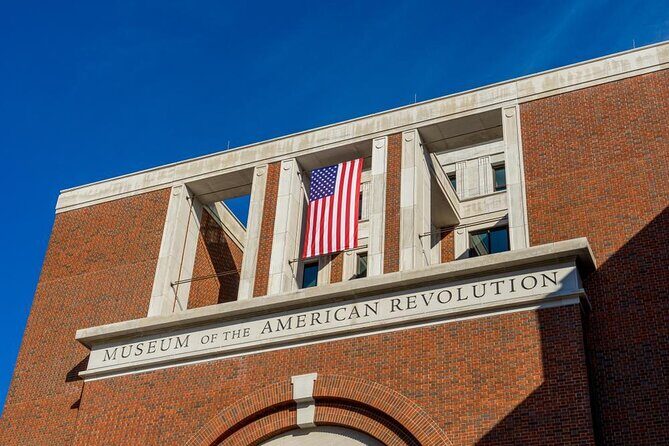
- Two days on one ticket: you can spread your visit over 3 to 4 hours (or more) per day and come back without paying twice.
- Audio tour wand at checkout: English, Spanish, or French only, and it helps you pace yourself.
- Introductory film: a quick way to get the story line straight before you start walking the galleries.
- George Washington’s tent: often the emotional centerpiece, with the chance to stand in its presence.
- Life-size, hands-on storytelling: replicas like the Boston Liberty Tree and interactive-style exhibits make the period feel real.
- Shows battles and war at sea: you’ll see major land action themes and a replica privateer ship experience.
Two-Day Ticket Value in Philadelphia’s Revolutionary Center
At $25 per person, this ticket is a strong deal if you’re even a little history-curious. The main reason: it’s not strictly a “one-and-done” museum pass. You get admission for two consecutive days, which means your first visit can set the context and your second day can fill in what you rushed the first time.
In practice, that changes how you should plan your time. Instead of trying to compress everything into one afternoon, you can aim for a solid first pass (about 3 to 4 hours) and then return later with fresh eyes. I think that’s especially helpful in a museum like this, where the storytelling is spread across objects, replicas, dioramas, and interactive elements that reward patience.
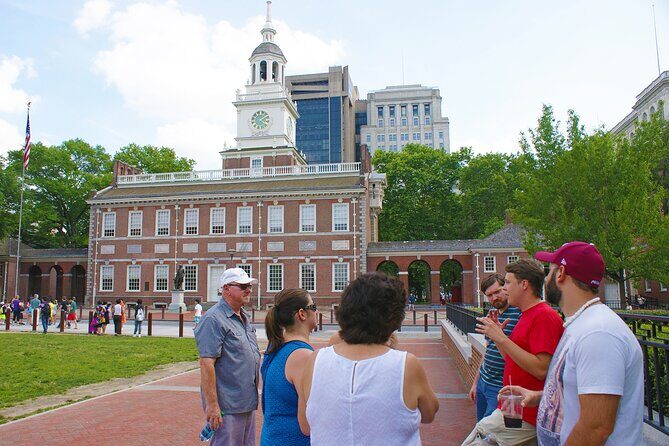
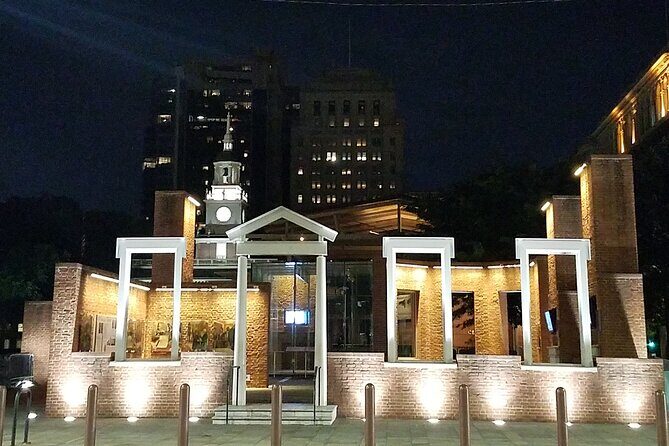
Location matters, too. The museum is an easy walk from the Liberty Bell and Independence Hall area. That’s great because you can build a simple day loop: start with the political landmarks, then shift to a war-focused museum that explains how the conflict actually unfolded.
Other Founding Fathers and Revolutionary history tours we've reviewed in Philadelphia


Skip-the-Line Entry and the Intro Film That Gets You Oriented

One of the most practical features here is skip-the-line entry. When you’re combining multiple historic stops in Philadelphia, saving time at one big venue helps a lot. You’re not stuck watching other people’s lines while your day plan falls apart.
As you start, you’ll have the museum’s introductory film waiting for you. I like this kind of setup because it reduces the mental load right away. Instead of walking in and wondering what order things “should” come in, the film gives you a story spine. Then the galleries feel less like random scenes and more like connected steps in the revolution.
If you only have one visit day, don’t skip the film. Even if you think you know the basics, it sets expectations for the museum’s approach—lots of human decisions, pressure points, and turning moments rather than just a straight list of dates.
Audio Tour Wand: Make the Museum Feel Like a Guided Story, Not a Maze
The audio-guided option is the best way to control your pace. You choose your language at checkout—English, Spanish, or French—and then you can move at your own speed through the galleries.
Here’s how to get the most out of it: use the audio like a spotlight, not like background noise. When you see a major display—like Washington’s tent, a key battle scene, or a turning point about Indigenous alliances—pause briefly and let the audio connect the dots. That’s when the museum’s exhibits start to feel more like a lived narrative and less like impressive staging.
I also like that you get a reminder-style way to learn without needing a docent to explain every room. The museum is designed for self-guided exploration, and the audio helps you stay oriented while you go.
The Main Stop: George Washington’s Headquarters Tent
The centerpiece moment is the chance to stand in front of George Washington’s headquarters tent. Several people specifically call this out as their favorite part, and it’s easy to understand why. It’s one thing to read about the revolution; it’s another to be in the presence of an original Revolutionary War headquarters tent.
I’d treat this as your anchor stop. Don’t spend five minutes drifting past it while you’re still figuring out the museum layout. Instead, give it time. Look closely. Let the emotional effect work on you before you move on to the next set piece.
The museum also uses scale and atmosphere around this centerpiece—so the tent doesn’t feel like a detached artifact in a glass case. It feels like part of the story’s engine.
If you’re bringing kids or teens, this is also a great target. The emotional punch plus the clear Washington connection makes the museum’s message easier to grasp without needing a long explanation.
Boston Liberty Tree, Declaration Grievances, and Political Momentum
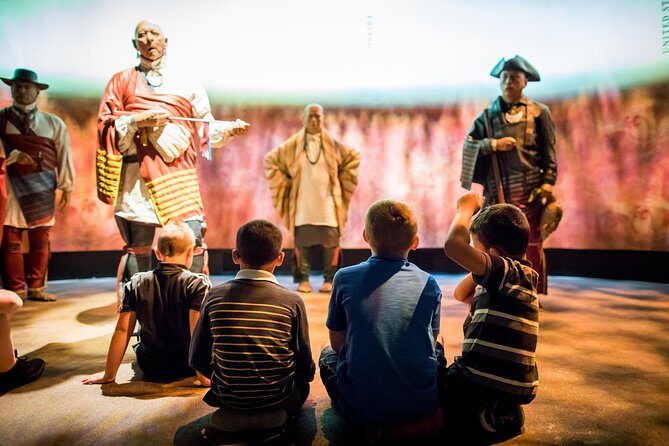
After the tent, the museum builds out the broader political and social forces that fed the revolution. One highlight is a life-size Boston Liberty Tree reproduction. It’s the kind of display that helps you visualize symbolic resistance—not just battles and uniforms.
You’ll also see a focus on grievances leveled against the King, shown through authentic printings related to the Declaration of Independence. This part matters because it shows the rebellion as more than anger or chaos. It has arguments, documentation, and a sense of why colonists believed they had to break.
This is where the museum’s pace really helps. Instead of jumping from emotion straight to war, it pauses to show how words and documents shaped what happened next. If you enjoy the “why” behind the “what,” you’ll probably appreciate this section more than you expect.
Other museum tickets and admissions we've reviewed in Philadelphia






Oneida Indian Nation Replicas and the Choices Between Alliances
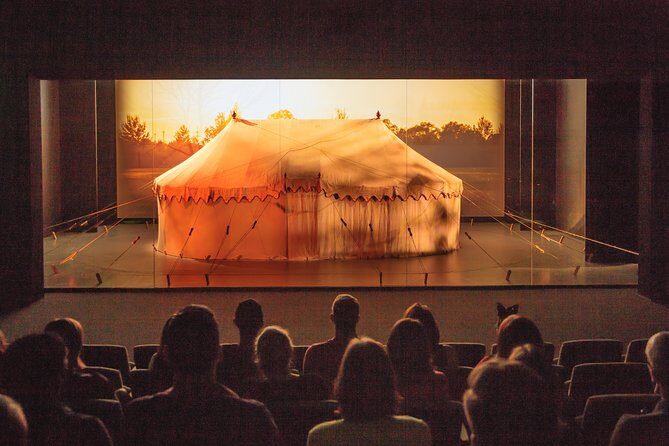
One of the most striking elements in the museum is its attention to Indigenous involvement—especially the Oneida Indian Nation representations. You can stand among life-size replicas and hear the story around the debate that led to their decision to break with the Iroquois Confederacy and join the American cause.
This isn’t just background trivia. It’s a reminder that the revolution was not only colonists versus Britain. It was also about alliances, pressure, and real political choices with real consequences.
If this topic interests you, plan time here. It’s the sort of display that benefits from a slower pace and using the audio so you catch the nuance the museum is trying to communicate.
Battlefront Energy: Brandywine and the British Infantry Charge

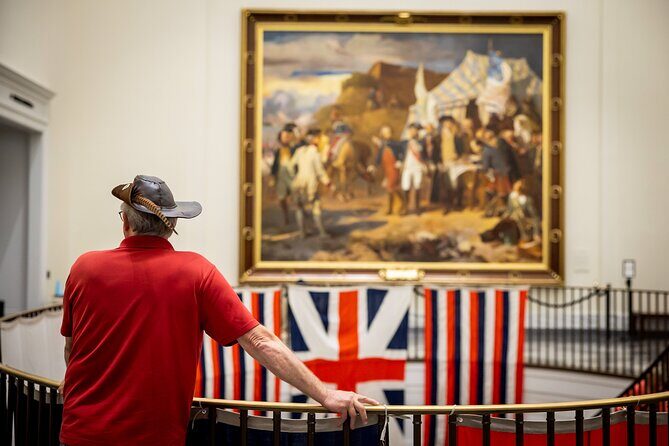
The museum doesn’t shy away from the shock-and-chaos side of the war. A standout scene includes fear and frenzy from the front lines, centered on a British infantry charge at the Battle of Brandywine.
If you’re the type who likes battle details, this section will feel like a payoff. You get the sense of forward momentum, risk, and urgency rather than a sanitized overview.
Still, it’s not a museum that promises to satisfy every battleship nerd craving. One criticism that comes up is that the battle discussion could go further, depending on your interests. So if your ideal museum day is 100% troop movements and tactics, you may want to balance this with other Philadelphia history stops outside the museum.
War at Sea: Climb Aboard the Privateer Ship Replica
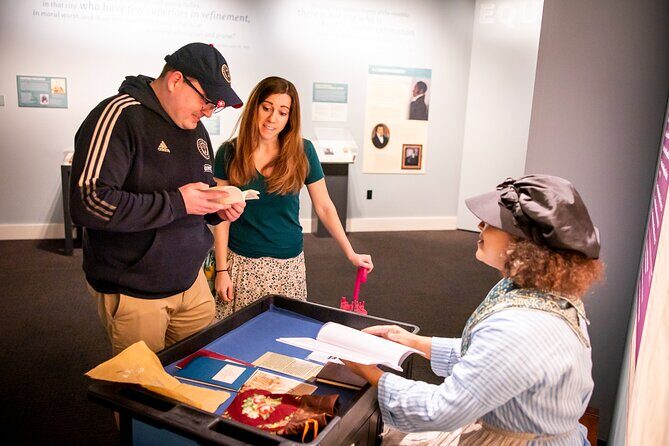
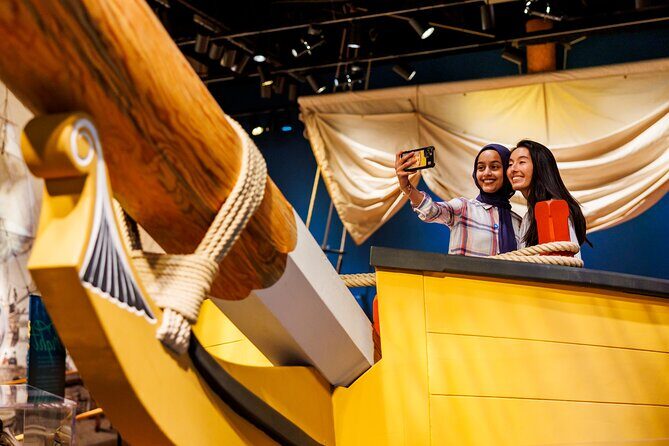
Another fun shift is the war-at-sea experience. You can climb aboard a replica privateer ship, which gives you a different feel for what the revolution involved. Privateers weren’t just a footnote; they were part of the pressure campaign and economic strain of the conflict.
This stop also helps break up the emotional rhythm of the galleries. Land battles are intense, and then the museum changes gears to show a different theater of war.
If you prefer hands-on learning, this is one of the more memorable parts because it’s physical. Even if you’re not into maritime history, you’ll likely come away with a clearer sense of how the war extended beyond the battlefield.
How Long Should You Plan? 3 Hours Can Turn Into More
Most visits run about 3 to 4 hours. In real life, I’d treat that as a minimum, not a rule. The museum has a lot of ways to slow down: interactive stations, films, and multiple display styles—plus the audio tour option, which naturally adds time if you actually listen.
One helpful way to plan: aim for a first day that hits the major story rooms and your top artifacts (especially Washington’s tent). Then, on day two, focus on any topics you want to revisit—like Indigenous alliances, political documents, or the sea section.
Also, if you’re visiting on a busy day, you may want to build in extra time for crowd flow. Large groups can make popular rooms feel tight.
Crowds, School Groups, and How to Keep Your Visit Comfortable
Here’s the honest part: the museum can get crowded, especially with large groups. Some people also noted the presence of school-age groups. That’s not a dealbreaker, but it affects how peaceful your museum experience feels.
My practical advice:
- Go earlier or later in your day if you can, so you’re not trapped in peak arrival waves.
- Use the audio tour to guide your pacing. When crowds build in one room, you can move forward to the next gallery section.
- Save your highest-focus stops (like the tent) for a time when you can actually linger.
It’s the difference between racing and noticing. This museum works best when you slow down enough to read and listen.
Content Choices: What It Covers Well, and Where It May Feel Thin
This museum does a lot right, but it also has a particular lens. That’s normal for any history museum, but it helps to know where you might feel satisfied versus where you might want more.
Strong points:
- Clear narrative from political arguments to war events.
- Big emotional artifacts, especially Washington’s tent.
- Interactive-style exhibits and life-size scenes that help you picture the revolution.
Possible gaps, based on visitor feedback:
- Some people wanted more focus on certain figures like Pulaski and Kosciusko.
- One comment noted that the Gaspee affair in Warwick, Rhode Island isn’t covered much.
- Another person who likes battles specifically wanted more discussion of key battles.
So, think of this ticket as a high-quality, story-driven experience rather than an encyclopedia of every Revolutionary War event. If you want depth across many specific battles and side stories, pair this with other targeted history stops.
Price, Food, and Pace: Getting the Best Day for $25
Let’s talk value. For $25, you’re getting:
- Admission for two consecutive days
- Skip-the-line entry
- An introductory film
- Optional audio in English, Spanish, or French
- Special exhibitions when applicable
That’s a lot packed into one ticket price, especially because you can return the next day. If you’re comparing it to other single-day museum admissions in big cities, the two-day flexibility is where the math gets better.
One small practical note: food and drinks aren’t included. Plan for snacks or a proper meal nearby so you don’t end up hungry while you’re trying to focus on displays. (Philadelphia’s historic district makes it easy to plan meals around your walking route.)
Who This Museum Ticket Fits Best
You’ll probably love this museum ticket if you:
- Want a guided-feeling experience without booking a complicated tour.
- Enjoy artifacts plus staged scenes, not just text panels.
- Like the story of the revolution as a sequence of choices—political documents, alliances, and battle pressure.
It also works well for families. Several reviews mention that it connects with children and teens through interactive design and vivid “walk-through” style presentation. If you’re traveling with a teenager, there’s a good chance this becomes their favorite Revolutionary War stop.
If you only want a quick overview and hate interactive or media-based exhibits, you might feel the museum is long or more detailed than you need. In that case, use your audio to keep your focus tight and don’t feel guilty skipping anything you’re not into.
Should You Book the Museum of the American Revolution Ticket?
If you’re planning a Philadelphia visit around Independence Hall and the Liberty Bell area, I think this is an easy yes—especially with a two-day ticket. It’s one of the better ways to turn “I’ve heard of the American Revolution” into something you can actually picture.
Book it if:
- You can spare at least 1 day, and ideally you’ll use both days.
- You want a story-first museum with audio support.
- You care about Washington’s headquarters tent and the human drama of the period.
Skip it or swap your approach if:
- You’re chasing only a narrow list of battles or specific events and need that covered in depth.
- Crowds would ruin your day and you can’t adjust your timing.
If you do book, give yourself time to linger at your top moments. This place is at its best when you slow down enough to feel what the exhibits are trying to show you.
FAQ
What is the price of the Museum of the American Revolution admission ticket?
The ticket costs $25.00 per person.
How long does the museum visit take?
Plan for about 3 to 4 hours (approx.).
Is the ticket valid for one day or multiple days?
It’s valid for 2 consecutive days.
Is there an audio tour option?
Yes. Audio guided options are available at checkout.
What languages are available for the audio guides?
Audio guides are available in English, Spanish, and French.
Do I skip the ticket line?
Yes, the ticket includes skip-the-line entry.
Where is the museum located in relation to other major sights?
It’s an easy walk from the Liberty Bell and Independence Hall.
Are food and drinks included with admission?
No. Food and drinks are not included.
How big are the groups?
This experience has a maximum of 14 travelers.
Are there rules for children or service animals?
Yes. Children must be accompanied by an adult, and service animals are allowed.