REVIEW · PHILADELPHIA
Philadelphia: Revolution and The Founders History Tour
Book on GetYourGuide →Operated by Grim Philly Twilight Tours · Bookable on GetYourGuide
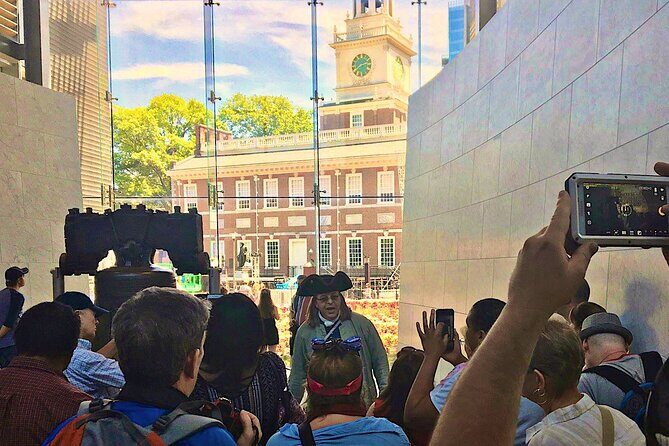
History feels closer in old Philadelphia. This 2-hour walk with Grim Philly Twilight Tours takes you through Revolutionary Philadelphia sites tied to the founding story, with a live guide who can answer your questions on the spot. You’ll hear the background behind major landmarks like the Liberty Bell and Independence Hall area, and guides such as Wendy, Kyle, Josh, Joseph, and Vince bring the streets to life with stories you won’t get from plaques alone.
My favorite part is how much you cover for the time and price: you’re not just stopping for photos, you’re getting the why behind the places. I also like the way the tour stays interactive—your guide keeps pace, checks in with the group, and invites questions, so you can clear up whatever you find confusing about Washington, Franklin, Revere, Madison, and the rest.
One thing to consider: this is a mostly outside walking experience, and it does not include timed-entry Independence Hall interiors or interior access to certain federal structures. So if you want to go inside the big buildings, you’ll need to plan that separately.
In This Review
- Key Things That Make This Tour Worth Your Time
- Entering the Revolution at the Independence Visitor Center
- What the 2-Hour Route Actually Covers (Without Indoor Detours)
- Liberty Bell and Independence Hall Area: Big Stops, Outside Views
- George Washington, Franklin, Hamilton, and the Power of Street-Level Context
- Continental Congress and the People Behind the Debates
- A Tour Where You Can Actually Ask Questions
- Price and Value: Why $29 Can Feel Like More
- Practical Tips to Make the Walk Work for You
- Who This Tour Fits Best
- Should You Book This Revolution and Founders Tour?
- FAQ
- How long is the Philadelphia Revolution and Founders History Tour?
- What is included in the tour price?
- What is the meeting point?
- Is Independence Hall included inside the tour?
- Does the tour run in bad weather?
- Is the tour wheelchair accessible and does it run in English?
Key Things That Make This Tour Worth Your Time
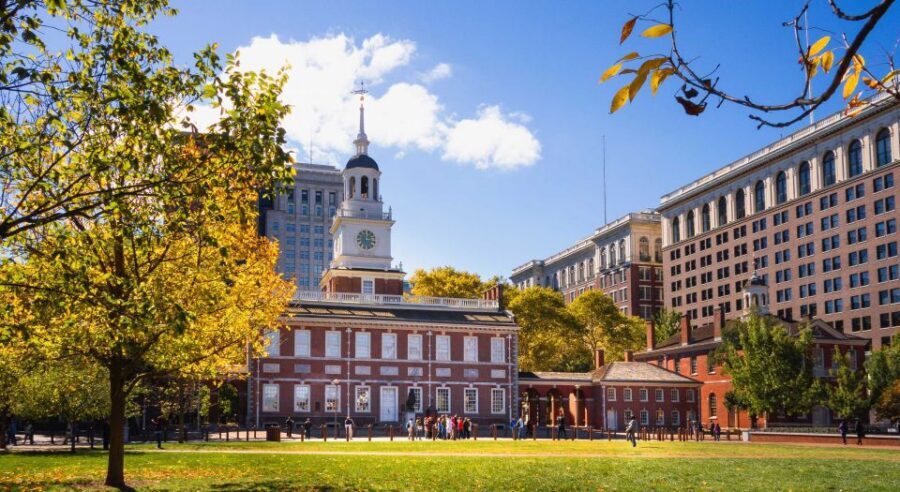
- A 2-hour hit of the Revolutionary core: Liberty Bell plus the Independence Hall area, with context that turns landmarks into events.
- Live Q&A on the founding: you can ask questions as you go, not just passively listen.
- Washington, Franklin, and more on the same route: the guide connects multiple figures to specific spots around Old City.
- Outside-first pacing: rain or shine, you’ll be moving through historic streets rather than relying on indoor exhibits.
- Guides bring personality, not just facts: names like Wendy, Kyle, Josh, Joseph, Vince, and Bill show up in past groups with energetic storytelling.
- Free podcast included: an extra way to keep the story going before or after your walk.
Entering the Revolution at the Independence Visitor Center
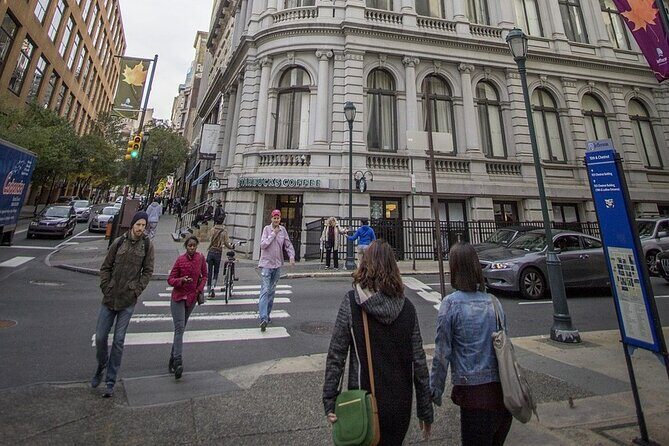
The tour begins outside the Market Street doors of the Independence Visitor Center, right where it’s easy to orient yourself. That matters more than you’d think. Philadelphia’s historic district can feel like a maze when you’re arriving from several directions, and getting your meeting point right saves you stress before the first stop.
A practical tip: the meeting instructions can sound like you should wait at side doors, but the actual start point is in front of the main visitor center entrance. I’d treat that as your default. Stand near the doors on Market Street and look for the guide/group rather than hunting for a side entrance.
You’ll meet your guide and then get moving on foot. This is a walk-through-the-city kind of tour, not a ride-and-recap experience. Expect steady steps, city sidewalks, and plenty of opportunities to ask questions while the guide is still near the related landmark.
Other Founding Fathers and Revolutionary history tours we've reviewed in Philadelphia


What the 2-Hour Route Actually Covers (Without Indoor Detours)
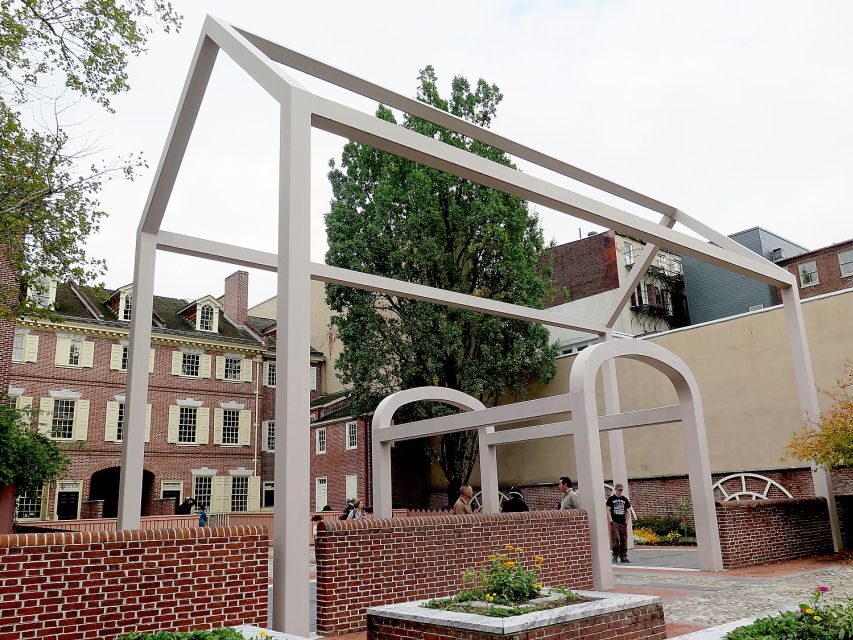
This tour is built around the Revolutionary era and America’s founding story. In practice, that means you’ll spend your two hours connecting names, decisions, and debates to the real streets where they happened—or where the key events played out.
Here’s what you can count on seeing as you walk:
- Liberty Bell
- Independence Hall area (from the outside)
- The home of George Washington (you’ll view the relevant location tied to him)
- Sites connected to Paul Revere and James Madison
- The Continental Congress site area
- Locations tied to major founders including Benjamin Franklin and Alexander Hamilton
- Additional figure-focused stops tied to other founding-era names such as Thomas Paine and Patrick Henry
The tour keeps the story in chronological threads: not every second is a strict timeline, but the guide ties events and people together so you don’t end up with a list of stops that feel random. That’s the value of having a historian-style guide on the ground—your brain can store the places alongside the meaning.
Also, plan for this to be rain or shine. Since you’ll be outside most of the time, bring something that works for wet weather, and don’t wait until you’re already cold and damp. Comfortable shoes matter because the pace is built for a 2-hour block, not a long lingering museum day.
Liberty Bell and Independence Hall Area: Big Stops, Outside Views
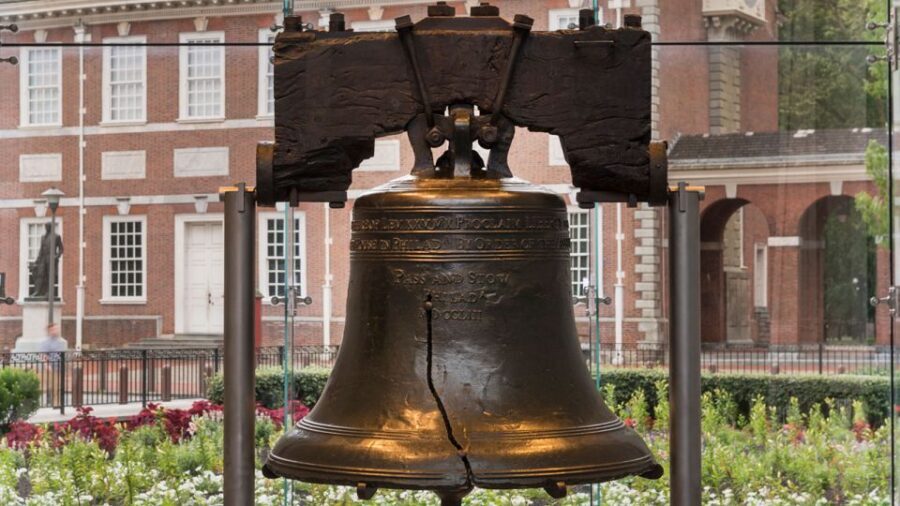
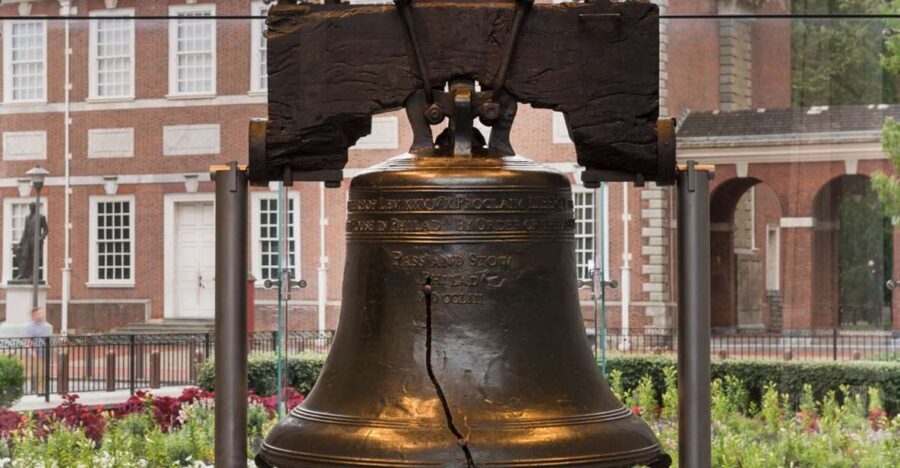
The Liberty Bell is the star, and the tour treats it like more than a photo op. You’ll get the historical context behind why it became a symbol and how the founding story shows up in the real public spaces of Philadelphia. The guide’s job here is to connect the Bell to the broader revolution-era political mindset, not just the object itself.
The Independence Hall area is another key moment. You’ll see the main landmark area during the walk, but the tour does not include Independence Hall timed tickets or the interior spaces of certain federal structures. That’s a big deal for expectations.
So how should you handle it?
- If you want interior access, treat this tour as the story-building layer.
- Then add a separate timed visit to Independence Hall on another step of your itinerary.
This setup is actually a good strategy. You’ll get your bearings fast, learn what the building represents, and then the interior visit becomes more meaningful because you already know the cast of characters and what was at stake.
George Washington, Franklin, Hamilton, and the Power of Street-Level Context
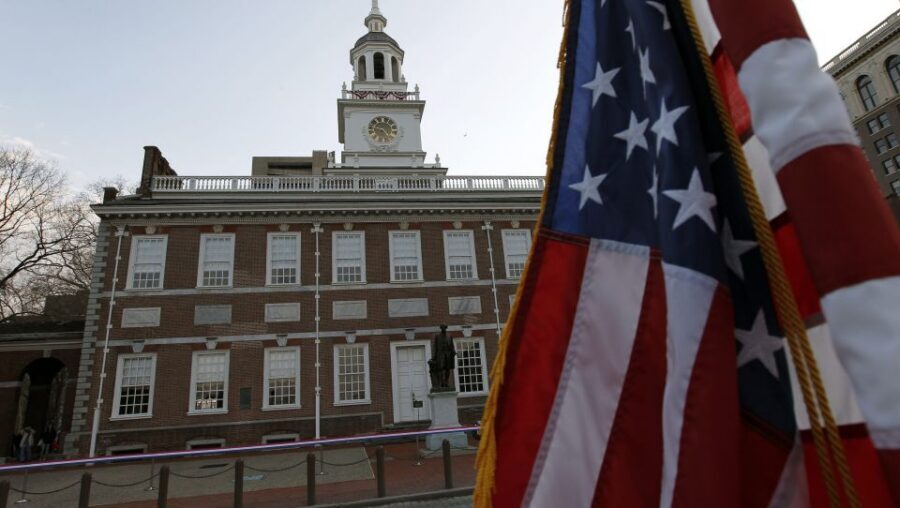
One reason this tour gets strong marks is that it links founders to specific places. Sitting in a classroom is one thing. Walking past the relevant locations is another. When the guide explains why Washington mattered on those streets, Franklin’s role isn’t just an abstract idea—it becomes a part of the city’s geography.
As you move from stop to stop, you’ll hear about multiple figures, including:
- George Washington: viewed through the lens of leadership and the Revolutionary-era stakes around him
- Benjamin Franklin: tied to his role in shaping political and intellectual currents
- Alexander Hamilton: included as part of the broader founding-era story
- Paul Revere: connected to the revolution’s urgency and the way information moved
- James Madison: framed through the political thinking behind the era
What I like about this approach is that it helps you avoid the classic history-tour problem: knowing the names but not knowing where each person fits. Here, the guide keeps re-anchoring the people to places, which makes your memory stick.
And if you care about the texture of the founding period, the tour includes extra color that tends to make the time feel real. Past groups have described guides adding anecdotes and even small touches that make the walk feel personal. One guide even mentioned pretzels in a way that felt like a thoughtful extra, not a gimmick. Don’t assume snacks are guaranteed, but it tells you the guides often aim to make the experience feel welcoming.
Continental Congress and the People Behind the Debates

Another strong section of the tour focuses on the Continental Congress site area and the key political figures connected to the debate and decision-making of the era. If you’ve ever wondered what it actually means when history books say people argued for independence, this is where you start to see the logic.
You’ll hear about figures such as:
- James Madison
- Thomas Paine
- Patrick Henry
The guide’s job is to turn famous names into recognizable “what they wanted and why” personalities. Instead of leaving you with a wall of dates, you’ll get explanations of how different voices contributed to the momentum toward independence and how revolutionary leadership worked under pressure.
This part of the walk also tends to be where questions pop up. The guide gives you room to ask, and since you’re standing near the topic, the answers land better than they do when you’re miles away and relying on memory.
Other historical tours in Philadelphia






A Tour Where You Can Actually Ask Questions
A lot of history tours talk at you. This one is designed for conversation. You’ll be able to ask the guide questions about what you’re seeing and about the founding period in general.
That matters if:
- You’re visiting with kids or a mixed group and want the guide to explain in clear, relatable terms.
- You’re someone who reads a bit of history and wants the “why did they do it that way” answers.
- You’re traveling with friends who want quick clarification rather than a long lecture.
Guides who lead these walks—like Wendy, Kyle, Josh, Joseph, Vince, and Bill—have a pattern of keeping momentum while still staying responsive. People have described guides as interactive, keeping the group together, and using humor or storytelling to keep attention from slipping.
It’s also helpful that the tour includes a free podcast. That gives you a second chance to catch any parts you missed during the walk—especially useful if it’s busy outside and you can’t hear every sentence perfectly.
Price and Value: Why $29 Can Feel Like More
At $29 per person for a 2-hour guided walk, the value is strong—especially when you look at what’s included:
- walking tour
- live guide
- free podcast
You’re paying for interpretation. Instead of spending a day bouncing between landmarks and hoping your brain connects the dots, you get a guided narrative that connects people, events, and locations in a short time window.
The main “gotcha” is also simple to handle: you’re not paying for indoor access to every major site. With Independence Hall interiors excluded unless you have timed tickets elsewhere, you might want to budget extra time or plan a separate stop if you want to go inside.
Still, the overall math tends to work out for first-time visitors. You’re basically buying a fast, guided orientation to Revolutionary Philadelphia that makes the rest of your trip more efficient.
Practical Tips to Make the Walk Work for You

This tour runs rain or shine, and it’s built around walking outside. Here’s how you can make it feel good instead of tiring:
- Wear comfortable shoes you trust for uneven historic sidewalks.
- Bring a light layer. Even in mild weather, you can feel temperature swings during a two-hour walk.
- If rain is possible, pack something small and quick-drying rather than relying on a flimsy umbrella.
- If you need wheelchair access, the tour is listed as wheelchair accessible, which is a big plus for planning.
One more small logistics note: because it starts at a specific point by the Independence Visitor Center, arrive a few minutes early. Then you won’t be splitting attention between figuring out where to stand and listening for the guide.
Who This Tour Fits Best

This is a great fit if you:
- are seeing Philadelphia for the first time and want the Revolutionary basics made clear
- want to connect major founders—Washington, Franklin, Revere, Madison—to real places on a walk
- prefer conversation and questions instead of one-way museum-style talking
- want a history experience that feels lively enough to keep younger visitors engaged
It also works well if you’re a history fan who already knows the headline facts. The best tours aren’t just repeat lectures—they give you new angles. With this one, the value is the way the guide links multiple figures and moments without dumping you in details that don’t connect.
Should You Book This Revolution and Founders Tour?
Book it if you want a fast, guided orientation to Revolutionary Philadelphia and you’re okay with an outside-focused walk. It’s especially worth it when you care about context and want to ask questions in real time.
Skip or adjust your expectations if:
- you specifically want to go inside Independence Hall during the tour (timed tickets aren’t included)
- you expect interior access to NPS federal structures (interiors aren’t included)
My call: for most people landing in Philly with limited time, this is a smart, cost-friendly way to get your bearings and understand the founding story in the place where it happened.
If you’re planning an Independence Hall interior visit, do that as a separate step. The tour will make that visit feel less like standing in a famous room and more like walking through the logic of the revolution.
FAQ
How long is the Philadelphia Revolution and Founders History Tour?
The tour lasts 2 hours.
What is included in the tour price?
The tour includes a walking tour, a guide, and a free podcast.
What is the meeting point?
Tours begin outside the Market Street doors of the Independence Visitor Center.
Is Independence Hall included inside the tour?
No. Independence Hall timed tickets are not included, and interiors of NPS federal structures are not included.
Does the tour run in bad weather?
Yes. The tour takes place rain or shine.
Is the tour wheelchair accessible and does it run in English?
Yes. The tour is wheelchair accessible and the tour guide provides the experience in English.