
REVIEW · PHILADELPHIA
Philadelphia: Museum of Illusions Timed Entrance Ticket
Book on GetYourGuide →Operated by Museum of Illusions Philadelphia · Bookable on GetYourGuide
Your eyes will argue with your brain. The Museum of Illusions in Philadelphia turns perception into a hands-on game, with photo-ops around almost every corner and the Smart Playroom pushing you to test memory and cognition. I also like how it works for mixed groups, from preteens to adults, even when some displays make you feel a little dizzy—so plan your pace.
The ticket is simple: you check in at the front desk, show your booking name, and walk into a museum built for looking twice. The typical visit is about 45 to 60 minutes, so you won’t get stuck in a long slog. At $31 per person, it’s a clear value call depending on how many interactive zones you want to hit.
In This Review
- Key Highlights That Make This Worth Your Time
- Timed Entry in Philly: Check-In and First Impressions
- 60+ Illusions: How to Pace Yourself Without Missing the Good Stuff
- Gravity, Shrinking, and Walk-on-Ceiling Moments
- Smart Playroom: Memory and Cognition Games for All Ages
- The Photo-Op Circuit: From Vortex Tunnel to Off-the-Wall Pictures
- What You Actually Get in 45 to 60 Minutes
- Price and Value: Is $31 Worth It?
- Who This Fits Best (and Who Might Want a Plan B)
- Should You Book the Museum of Illusions Timed Entrance Ticket?
- FAQ
- How long does the Museum of Illusions experience take?
- Is the ticket valid for any time on the day I visit?
- What is included with the timed entrance ticket?
- Are food and drinks allowed inside?
- Do children need tickets?
- Is the museum wheelchair accessible?
Key Highlights That Make This Worth Your Time

- 60+ visual and educational exhibits using holograms, stereograms, and optical tricks
- Hands-on challenge in the Smart Playroom, built around memory and cognition games
- Family-friendly stunts like grow and shrink, defying gravity, and walking on walls or the ceiling
- A photo-op flow that’s designed for off-the-wall pictures (yes, bring your phone)
- Watch for dizziness cues on certain displays; slow down when you need to
Timed Entry in Philly: Check-In and First Impressions

Plan your timing, because your ticket is valid only for the date and time you booked. When you arrive, you’ll check in at the front desk and mention your booking name. It’s not a complicated process, and it helps keep the museum from feeling chaotic in the way some popular attractions do.
Once you’re in, you can start moving right away. The place is built so you don’t need a guide to have fun—you just look, react, and figure out why your brain is getting fooled. That’s a big part of the appeal: it’s playful, but the exhibits also explain the vision and perception mechanics while you’re doing it.
If you’re traveling with kids or a mixed-age group, the timed entry is useful. It gives you a clean start point, so you’re not burning time waiting around with everyone’s attention span slowly evaporating.
Other museum tickets and admissions we've reviewed in Philadelphia



60+ Illusions: How to Pace Yourself Without Missing the Good Stuff

This museum is all about short bursts of amazement. Your typical visit clock is 45 to 60 minutes, and that’s long enough to get through a lot of displays if you move with purpose. It also means you should expect to choose: you probably won’t stop and analyze every single illusion the way you might in a quieter museum.
Here’s the trick that helps most people enjoy it more: don’t rush through the fun parts. Go slow enough that the exhibit can land, especially those that rely on perspective. The museum signposts you to take a moment if something makes you feel dizzy, and that matters. A quick pause can turn a headache into a better experience.
Crowding can happen around the most popular stations. So if you see a bottleneck, I’d treat it like a normal theme-spot problem: step aside, do another nearby illusion, and come back after the line shifts. That keeps your momentum without wasting energy.
Gravity, Shrinking, and Walk-on-Ceiling Moments

Some attractions fake the fun with screens. This one uses physical setups that make you react with your whole body. Expect displays built around big perception tricks, like defying gravity, growing and shrinking, and walking in impossible ways such as on the ceiling.
If you like the kind of illusion where you try to hold still and pretend you’re in control—this is your place. The chair-and-shrinking style moments are the kind that make you laugh at the instant you realize your body and your eyes don’t agree. The museum also includes things like infinite space, which is a classic for a reason: it makes a flat room feel deeper than it is.
You’ll also see exhibit styles that rely on your visual system, not just your sense of humor. The museum includes holograms and stereograms, plus other visual and educational experiences designed to show how your brain builds a “best guess” picture from incomplete information. It’s not lecture-y. It’s more like learning while you play.
And yes, some displays can be disorienting. If you’re the type who easily gets motion-sensitive or dizzy, it’s smart to expect that and take breaks early rather than waiting until you’re already feeling off.
Smart Playroom: Memory and Cognition Games for All Ages

The Smart Playroom is the part I’d plan to hit with energy, not as an afterthought. This is where the museum shifts from optical trickery to brain-training style games. The focus is explicitly on memory and cognition, plus problem-solving skills.
What I like about it is that it invites participation instead of passive watching. You can play friendly competition with friends and family, and the games are designed to stimulate your thinking while still feeling like a fun zone. It’s also a nice reset if the earlier illusion rooms start to feel too intense or if you’re juggling a group with different energy levels.
There’s also a Smart Shop on site. It sells games you’ll recognize from the Smart Playroom and other MOI merchandise. If your kids or teens are asking to buy something, this is where that request naturally fits—without turning your whole visit into a shopping detour.
The Photo-Op Circuit: From Vortex Tunnel to Off-the-Wall Pictures

Bring your camera or smartphone. The museum is built for eye-fooling visuals that look hilarious in photos, and you’ll spot photo-friendly setups all over. The best ones are the displays where you’re part of the trick—your pose, your angle, and your timing matter.
One station people talk about a lot is the vortex tunnel. It’s one of those experiences where the motion and visual effect can make you feel a little off, which is exactly why it photographs so well. If you want the best results, don’t fight the effect; go with it, follow the exhibit cues, and take a breath if you feel unsteady.
There’s also a strong “set it up, then retry” vibe. If your first shot doesn’t look dramatic enough, adjust your stance and try again. The museum’s layout makes it easy to keep hopping between stations without feeling like you’re walking back and forth forever.
If you’re traveling with people who want different things—some want stunts, some want photos, some want to read the explanation—this is one of the easier attractions to satisfy everyone at the same time. You can split your focus without splitting up your group for long.
A few more Philadelphia tours and experiences worth a look






What You Actually Get in 45 to 60 Minutes

The good news: your ticket covers everything inside. You get entrance to the Museum of Illusions and all exhibitions, plus local taxes and fees. That makes budgeting simpler. Food and drinks aren’t included, so if you’re going to be there around meal time, you’ll want to plan something before or after.
Because the museum visit usually runs 45 to 60 minutes, it helps to have a mindset like a “greatest hits tour.” Start with the big physical illusions, hit the Smart Playroom next, and finish with photo-heavy favorites. If you get through everything quickly, you can circle back. If you don’t, you won’t feel like you shortchanged the day—you’ll feel like you had a focused, playful outing.
Also, keep in mind the age structure. Children 4 and under are free and don’t need a ticket. That can make the overall family math better, especially if you’ve got a mix of adult and small-child tickets.
Price and Value: Is $31 Worth It?

At $31 per person, this is not a budget add-on. The value depends on your expectations.
If you’re the kind of traveler who loves hands-on attractions and you want a bunch of playful stops in a short time, it can feel worth it. Many people use the museum as a top activity in the middle of a day in Center City because it’s contained, ticketed, and fast enough to pair with other Philadelphia plans.
But there’s a fair concern: the museum may feel smaller than you pictured, especially if you’re expecting a sprawling museum with hours of wandering. Some people have questioned whether the price matches the time. In practical terms, I’d treat it like an activity you choose intentionally, not like a place you should squeeze in “just in case.”
So here’s my value test:
- If you want action, photos, and brain puzzles, the price has a clearer payoff.
- If you want quiet displays, long reading, or a slow museum day, you might feel it’s too short.
Who This Fits Best (and Who Might Want a Plan B)
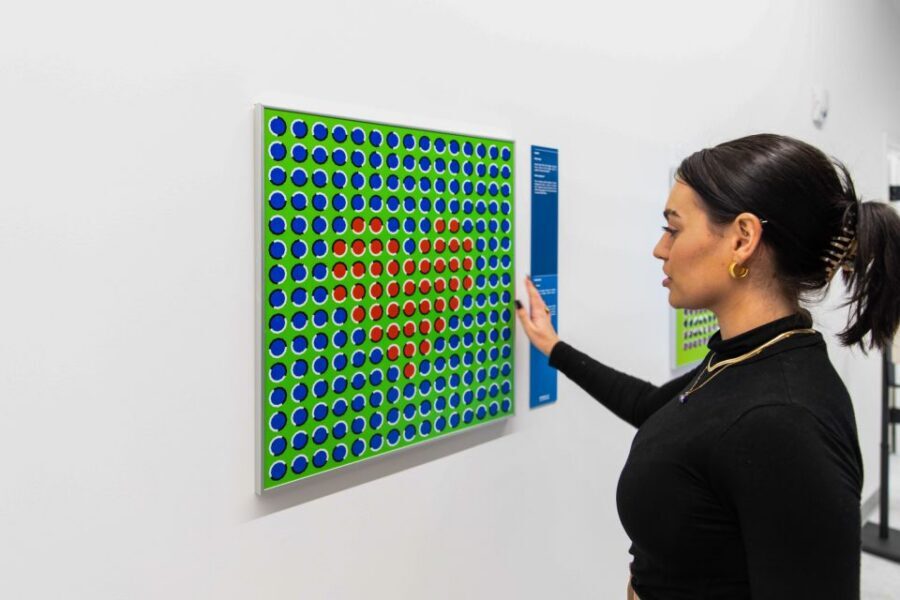
This museum works especially well for families. The illusions are designed to be appropriate for children, and there are plenty of opportunities to move, pose, and laugh. Preteens and teens also tend to get a kick out of the combination of physical stunts and the Smart Playroom challenge.
Adults often enjoy it too, especially if you like the science side of perception without the heavy tone. It’s the rare place where you can be silly and still learn something about how vision works.
If you’re sensitive to dizziness or motion effects, you can still go—but you should slow down. Look for the signs that tell you to take a minute, and don’t ignore them. If you’re prone to nausea or headaches, you might want to skip the most intense stations or take longer breaks between exhibits.
Should You Book the Museum of Illusions Timed Entrance Ticket?

Yes, I’d book it if you want a short, high-fun activity in Philadelphia that’s built around interactive optical tricks and hands-on brain games. The timed entry helps you keep the day organized, and the Smart Playroom gives you something different from the purely visual displays.
I wouldn’t book it only if you’re hoping for a long, calm museum experience or if you’re trying to keep the budget extremely tight. At $31 a person, you’ll get the most satisfaction if you genuinely want the greatest-hits mix of illusions, photos, and cognition puzzles.
If you’re traveling with kids, or you’re visiting Philadelphia and want one ticketed stop that’s easy to plan around, this is one of the clearest picks.
FAQ
How long does the Museum of Illusions experience take?
Plan for about a 45 to 60-minute visit inside the museum.
Is the ticket valid for any time on the day I visit?
No. Your ticket is valid only for the date and time you booked.
What is included with the timed entrance ticket?
The ticket includes entrance to the Museum of Illusions and all exhibitions, plus local taxes and fees.
Are food and drinks allowed inside?
Food and drinks are not allowed.
Do children need tickets?
Children 4 and under are free and do not need a ticket.
Is the museum wheelchair accessible?
Yes, it is wheelchair accessible.