
REVIEW · PHILADELPHIA
Philadelphia: The Franklin Institute Entry Ticket
Book on GetYourGuide →Operated by The Franklin Institute · Bookable on GetYourGuide
Science feels bigger at the Franklin Institute. This $29 entry ticket gives you a full day of hands-on exhibits, daily live demos, and planetarium shows—plus the kind of “try it yourself” energy that works for families and curious adults.
I especially love the Wondrous Space experience for its multi-sensory take on the cosmos, and I like that the ticket doesn’t stop at exhibits—you also get live science demonstrations and access to the Fels Planetarium. One thing to consider: some special exhibits may require an extra ticket, and there’s no allowance for luggage or large bags, so plan light.
In This Review
- Key Highlights Worth Planning Around
- First Stop: QR Code, Wristband, and a Fast Entry Plan
- What You Really Get for About $29 in Philadelphia
- Wondrous Space: A Multi-Sensory Walk Through the Cosmos
- 3 Floors of Interactive Science Exhibits (Including SportsZone)
- Daily Live Science Shows: Liquid Nitrogen, Combustion, Electricity
- Don’t Skip the Included Daily Dissections
- Fels Planetarium: Cutting-Edge Night Sky Presentations
- How to Time Your Day Without Feeling Rushed
- Price, Value, and What Makes This Ticket Feel Worth It
- Who This Works Best For (And Who Might Want a Different Plan)
- Should You Book the Franklin Institute Entry Ticket?
- FAQ
- How long is this ticket valid for?
- What’s included with general admission?
- Are special exhibits included in the ticket price?
- How do I enter the museum?
- Can I leave and return to the museum the same day?
- What kind of shows can I expect?
- Are luggage or large bags allowed?
- Is there free cancellation?
Key Highlights Worth Planning Around

- Wondrous Space brings the universe to life with multi-sensory presentation
- 3 floors of interactive science give you plenty of hands-on stops to reset your attention
- Live shows focus on liquid nitrogen, combustion, and electricity
- Daily dissections are included, so science-lovers get more than just visuals
- SportsZone connects real-world sports with science concepts
- Fels Planetarium delivers cutting-edge night-sky presentations
First Stop: QR Code, Wristband, and a Fast Entry Plan

Your day starts simply: scan your QR code at the entrance to get a wristband. That wristband matters because it lets you leave and re-enter the museum the same day, which is handy if you want a break, snacks, or a quick walk in Philadelphia before another show.
Plan around one key reality: the museum runs on a daily schedule, and the planetarium + live demonstrations are time-based. If you check the schedule before you arrive, you’ll spend less time “wandering hope” and more time hitting the shows you actually care about.
Other museum tickets and admissions we've reviewed in Philadelphia



What You Really Get for About $29 in Philadelphia

At roughly $29 per person, this is a solid value because it’s not only a museum pass. Your ticket includes access to interactive exhibits on three floors, plus daily live science shows and dissections, plus Fels Planetarium and planetarium shows.
That combination is why this ticket can feel like a full day. One show can be a good “reset” after an hour of hands-on exploring, and the planetarium is an easy way to end the day with something that feels bigger than the exhibit rooms.
Keep in mind the small catch: special exhibits aren’t included. So if there’s a temporary attraction you’ve heard about, you may need an extra ticket on top of the general admission.
Wondrous Space: A Multi-Sensory Walk Through the Cosmos
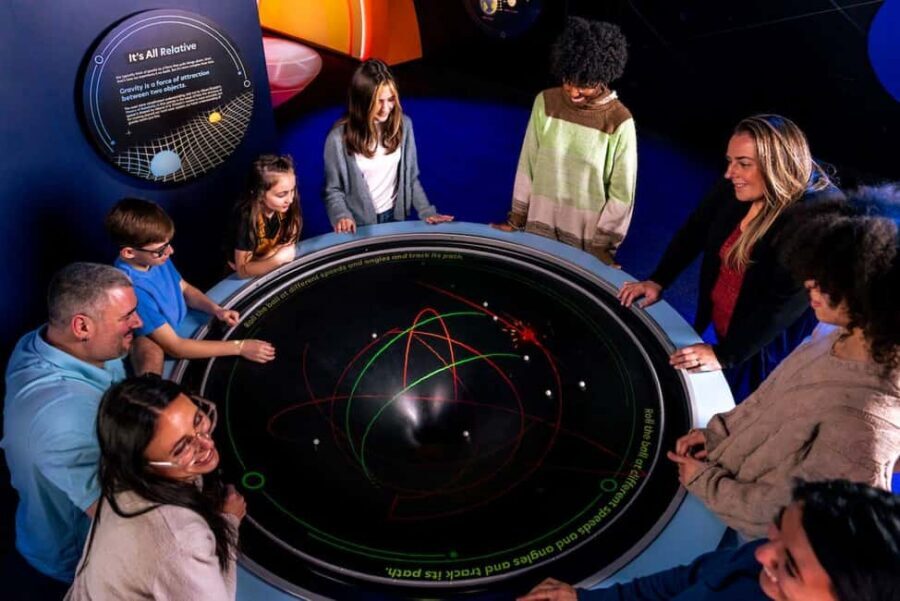
If your group likes science that uses your senses—not just your eyes—Wondrous Space is the showpiece. This is where the ticket really earns its “wow” factor, using a multi-sensory approach to take you through the universe experience.
Think of it as part science lesson and part presentation you can feel. It’s especially good when you want something that still works even if your group has mixed ages or different attention spans. Some people will love the visuals; others will latch onto the science storytelling.
Tip for timing: try to schedule this when you’re not too hungry or too tired. Multi-sensory experiences tend to land best when you can sit back and take it in without rushing.
3 Floors of Interactive Science Exhibits (Including SportsZone)

The general admission access covers interactive exhibits across three floors, so you’ll have options even if one area is busy. This matters because science museums can get crowded during peak times, and having multiple “lanes” keeps your visit from stalling.
One of the most practical highlights is SportsZone, where the big idea is simple: sports and science are linked. Instead of treating sports as just games, this space helps you notice how physics, measurement, and performance thinking shape what happens on the field.
If you have kids (or the kid in you), SportsZone is a great mid-day stop. It breaks up the more “cosmos and bodies” side of the museum and gives you a chance to interact in a different style—less astronomy, more applied science.
A realistic consideration: at least some exhibits may feel dated or need fixing. That doesn’t erase the overall fun, but it’s worth knowing if you’re the type who gets bothered by worn stations or older interactive elements.
Daily Live Science Shows: Liquid Nitrogen, Combustion, Electricity
This ticket is built around live demonstrations, not just static exhibits. You can catch shows on the science of liquid nitrogen, combustion, and electricity, and that’s where the Franklin Institute turns curiosity into something you can watch happen in real time.
Live demos are great for a few reasons:
- They translate concepts quickly into something visible.
- They create energy in the room, which helps attention stick.
- You learn by watching cause-and-effect, not just reading panels.
Because these are scheduled, don’t treat them as an afterthought. If you plan your route to get to them on time, you’ll feel like you “won” your day. If you don’t, you risk missing the moment that convinced you to buy the ticket.
A few more Philadelphia tours and experiences worth a look






Don’t Skip the Included Daily Dissections

One of the most praised parts of the experience is that daily live shows and dissections are included. That means you’re not only looking at science theories—you’re getting exposure to biology and the structure behind living things through a real learning format.
This is also where you should match expectations with your comfort level. Dissections can be intense. If you’re bringing younger kids, or you’re sensitive to the subject matter, it’s worth thinking through whether this is a must-see for your group.
If it is, plan for it. Arrive with enough time to settle, read what you can ahead of the start, and be ready for a more serious educational moment in the middle of a playful museum day.
Fels Planetarium: Cutting-Edge Night Sky Presentations

When you want the museum to go bigger, the Fels Planetarium is where you aim. The planetarium experience focuses on exploring the night sky with cutting-edge presentations.
This is a smart use of your ticket because it gives you a break from hands-on stations while still staying educational. It also tends to work well at the end of the day: after all the interaction, the planetarium brings everything back into a single “big picture” view of science.
If your group has different interests, planetarium shows can be the bridge. Even if someone didn’t care about liquid nitrogen or sports-science, the night-sky theme is a shared win.
How to Time Your Day Without Feeling Rushed
You have a 1-day ticket valid for the date booked, and you can check availability for starting times. Since the museum includes daily shows and demonstrations, the best strategy is to choose your “musts” first, then build around them.
Here’s a practical way to structure your visit:
- Start with interactive exhibits to build momentum early.
- Slot in one live demo when you’re most alert.
- Add Wondrous Space when your group is ready to sit and focus.
- Fit in SportsZone as a hands-on break between heavier moments.
- If dissections are on your plan, treat them as a key appointment.
- End with the Fels Planetarium for a memorable finish.
Also, remember there’s no entry with large luggage. If you arrive with bulky bags, you may have an issue. Packing light isn’t just convenient—it keeps your day smooth.
Price, Value, and What Makes This Ticket Feel Worth It
For about $29, you’re paying for a bundle: exhibits (three floors), daily live science shows, dissections, and planetarium access. That’s the core value here. You’re not choosing between “exhibits only” or “shows only”—you get both in one admission.
This pricing makes sense especially if you’ll actually use the time slots for the shows. If you buy the ticket but only walk through exhibits for an hour or two, the value drops fast. The ticket shines when you follow the schedule and treat live demonstrations and planetarium shows as part of your plan.
So the real question isn’t just price. It’s whether you’ll spend your day the way this museum is designed to be experienced: mix hands-on exploring with timed presentations.
Who This Works Best For (And Who Might Want a Different Plan)
This ticket is a great fit for:
- Families who want a full day of interactive science
- Teenagers who learn better by doing and watching
- Adults who like practical, real-time science demonstrations
- Anyone who wants astronomy plus biology plus physics in one place
It may be less ideal if:
- You’re looking for a calm, quiet museum stroll only
- You don’t want to attend dissections
- You’re traveling with lots of luggage (the museum restricts luggage or large bags)
Should You Book the Franklin Institute Entry Ticket?
If your goal is a one-day science hit in Philadelphia—with interactive exhibits, live demonstrations on liquid nitrogen/combustion/electricity, and Fels Planetarium—this is an easy yes. The pricing is reasonable for what’s included, and the schedule-based shows are exactly what make the museum feel like more than a room of displays.
Book it if you’re the type who likes structure: pick a couple of shows you care about, then let the exhibits fill the gaps. Skip it or reconsider if dissections aren’t your thing, or if you’ll arrive with big bags and no way to travel light.
FAQ
How long is this ticket valid for?
This is a 1-day ticket. It’s valid for the date that you book.
What’s included with general admission?
Your ticket includes access to three floors of interactive science exhibits, daily live science shows and dissections, and access to the Fels Planetarium and planetarium shows.
Are special exhibits included in the ticket price?
No. Entry to special exhibits is not included and may require an extra ticket.
How do I enter the museum?
Scan your QR code at the entrance to receive your wristband.
Can I leave and return to the museum the same day?
Yes. You can leave and re-enter using the wristband provided at check-in.
What kind of shows can I expect?
The live shows include science demonstrations focused on liquid nitrogen, combustion, and electricity. The planetarium also offers night-sky presentations.
Are luggage or large bags allowed?
No. Luggage or large bags are not allowed.
Is there free cancellation?
Yes. You can cancel up to 24 hours in advance for a full refund.