REVIEW · PHILADELPHIA
Philadelphia: Museum of the American Revolution Entry
Book on GetYourGuide →Operated by Museum of the American Revolution · Bookable on GetYourGuide
History in America’s birthplace can be loud in the right ways. This museum uses interactive galleries and theater-style films to make the Revolution feel human, not distant. I like how it focuses on ordinary citizens, not just famous names, and I also like the clear, guided structure that keeps you moving. One thing to consider: it’s easy to rush—plan extra time or split it across the two days if you can.
Start at the museum and watch a short orientation film before you go on your own. Then you’ll work your way through weaponry, documents, currency, and everyday household items, plus special features like George Washington’s war headquarters tent film. I’m glad the ticket gives you two consecutive days to come back and finish at your pace. A possible drawback is that some parts feel more “show” than “hands-on,” so you might want to pick your priorities and not expect every moment to be equal.
If you’re the type who likes facts with context, this is a strong stop. It’s steps from Independence Hall, so it naturally fits into an Old City day. And the practical rules—no tripods, no selfie sticks, no flash—help keep the experience calm and respectful.
In This Review
- Key points to know before you go
- Museum of the American Revolution: Why this ticket feels like real value
- Enter with a 15-minute Revolution orientation film that sets the story
- The galleries: from everyday life to Revolutionary turning points
- Washington’s War Tent feature film: worth planning your timing around
- What you’ll actually see: weapons, money, and household objects
- Audio guide wand and printed booklets: make language work for you
- The rules: small limits that change your museum photos
- Timing and pacing: how long a thoughtful visit takes
- How this fits into a Philadelphia Old City day
- Who should book this museum (and who might want to adjust expectations)
- Rules, tickets, and small practicalities you’ll want to remember
- Should you book the Museum of the American Revolution?
- FAQ
- How long should I plan to visit the Museum of the American Revolution?
- What is included with the 2-day admission?
- Is the orientation film included, and how long is it?
- Is the Washington’s War Tent film included?
- Do I get an audio guide?
- Are printed guides available in multiple languages?
- Is food and drink included with the ticket?
- How close is the museum to Independence Hall?
- What items are not allowed inside?
- Can I cancel for a refund?
Key points to know before you go
- Two consecutive days, in-and-out access so you can pace yourself instead of speed-walking.
- 15-minute orientation film plus a 12-minute Washington’s War Tent feature to set themes and place you in the story.
- Everyday-life focus: life before, during, and after the Revolution, not only battles and leaders.
- Unique objects like antique firearms, local currency, household items, and Washington’s war headquarters tent-related presentation.
- Audio guide wand option (English, Spanish, French if selected) and printed booklets in multiple languages.
- Photo rules matter: no flash photography, and tripods/selfie sticks aren’t allowed.
Museum of the American Revolution: Why this ticket feels like real value
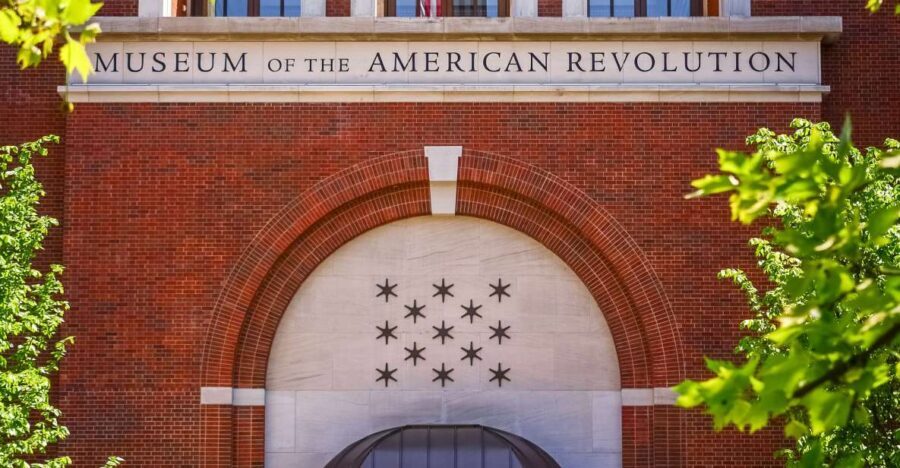
The Museum of the American Revolution is one of those places where the price starts to make sense once you see how much structure you get. For about two days of access, you’re not just buying entry—you’re getting a 15-minute orientation film plus a separate 12-minute feature film as built-in anchors for the visit.
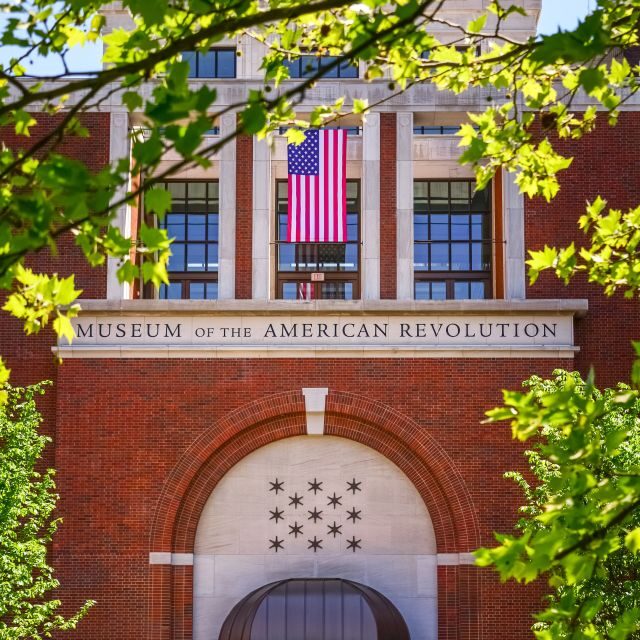
Also, the location is a big part of the value. The museum is just steps from Independence Hall, which means you can connect the story of the Revolution to the landmarks you’re already likely to visit in Philadelphia’s Old City.
Finally, the two-day format is smart. Even if you can only go once, the ability to return later helps you avoid the common museum trap: “We saw a lot, but we didn’t really absorb anything.”
Other Founding Fathers and Revolutionary history tours we've reviewed in Philadelphia



Enter with a 15-minute Revolution orientation film that sets the story
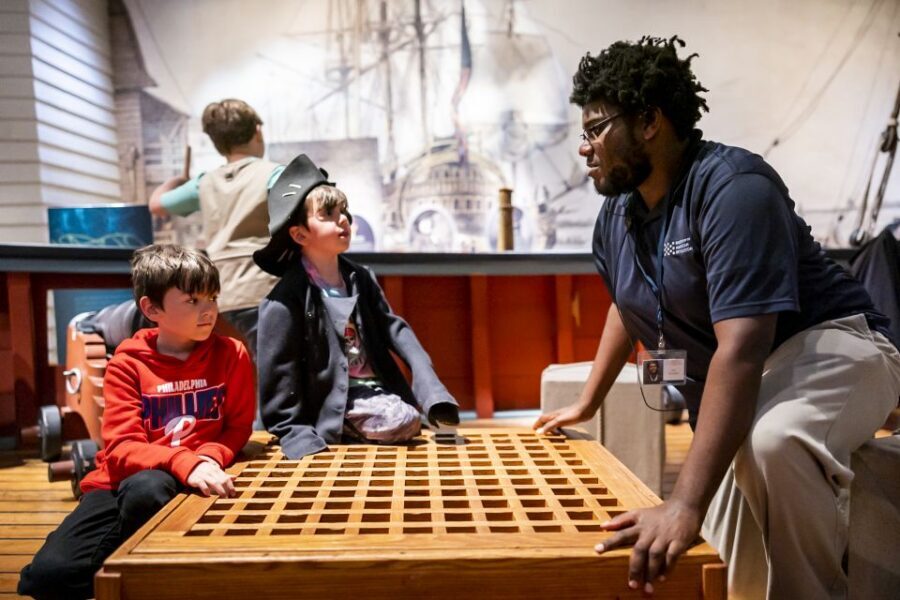
Your visit starts inside, but before you go wandering, you’ll watch the 15-minute museum orientation film called Revolution. This is one of the best uses of time in any museum because it gives you a map—themes, key names, and a sense of what matters most as you move through the galleries.
I like orientation films like this because they reduce the feeling of being lost. You’re not staring at labels hoping to connect the dots. You’re building the dots first, then walking through them.
This is especially helpful here because the museum covers life around the Revolution—before, during, and after—and that’s a lot of ground for one trip if you don’t have context.
The galleries: from everyday life to Revolutionary turning points
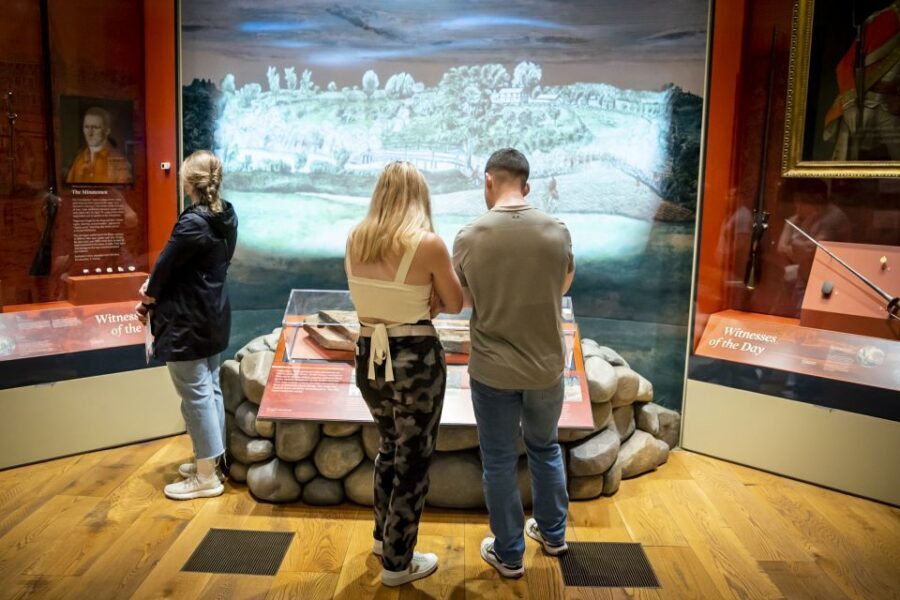
After the orientation, you explore the exhibits on your own. The museum’s big strength is that it connects the Revolution to how regular people lived and changed during that time.
You’ll see an in-depth examination of ordinary citizens across three phases:
- what life looked like before
- what shifted during the conflict
- what continued or transformed after
That structure matters because the Revolution wasn’t just a sequence of battles. It was a social and political event that reached into daily life—work, money, household goods, and the risks ordinary families faced.
Expect a mix of exhibit types too. The museum uses theater-style elements and interactive digital displays, so you’re not stuck only reading text panels. This is where the “museum as a guided experience” part shows up.
Washington’s War Tent feature film: worth planning your timing around
If you do just one “timed” thing at this museum, make it the 12-minute feature film called Washington’s War Tent. People tend to recommend it for a reason: it ties together the idea of leadership, risk, and the practical reality of running a war.
The tent-related presentation is also one of those moments that can feel dramatic. In a good way, if you like the theater layer that helps you picture what those spaces meant. In a slightly less good way, if you prefer quiet, object-focused viewing. One caution: it can feel a bit overblown if you’re expecting a small-scale documentary style.
Still, the practical advice is simple: don’t treat this as optional background. Plan to watch it, then let it guide how you look at the objects and rooms afterward.
What you’ll actually see: weapons, money, and household objects

This museum earns its reputation with the kinds of items it puts in front of you. The highlights include:
- antique firearms tied to the Revolution era
- local currency that helps you understand how money and daily economics mattered
- household items that show what ordinary life could look like
- memorabilia connected to George Washington’s war headquarters tent
I like when a museum mixes categories like this—because it stops the story from becoming only political or only military. When you see currency and household goods alongside weaponry, you get a more complete sense of how disruption felt in real rooms and real pockets.
There’s also a strong emphasis on documents and works of art, which can be useful if you want the Revolution to feel like a lived era, not just a set of bullet points.
Other museum experiences in Philadelphia




Audio guide wand and printed booklets: make language work for you
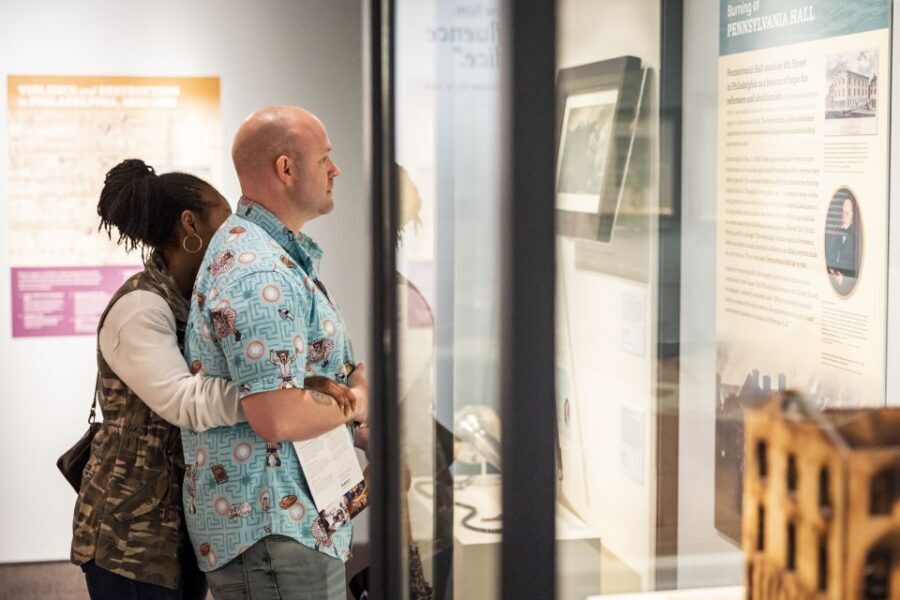
You can get more out of this museum if you use the language tools. The audio option is a wand (if you select the audio guide option), available in English, Spanish, and French. If you’re traveling with mixed language needs, that’s a helpful choice.
Printed guides and booklets expand the language reach even more. You can find printed information booklets in:
English, Spanish, Mandarin, French, German, Japanese, and Vietnamese
That’s a lot of options, and it matters because history museums can lose you when you’re forced to skim. With materials in your language (or your travel partner’s), you spend less time “fighting the text” and more time understanding what you’re looking at.
The rules: small limits that change your museum photos
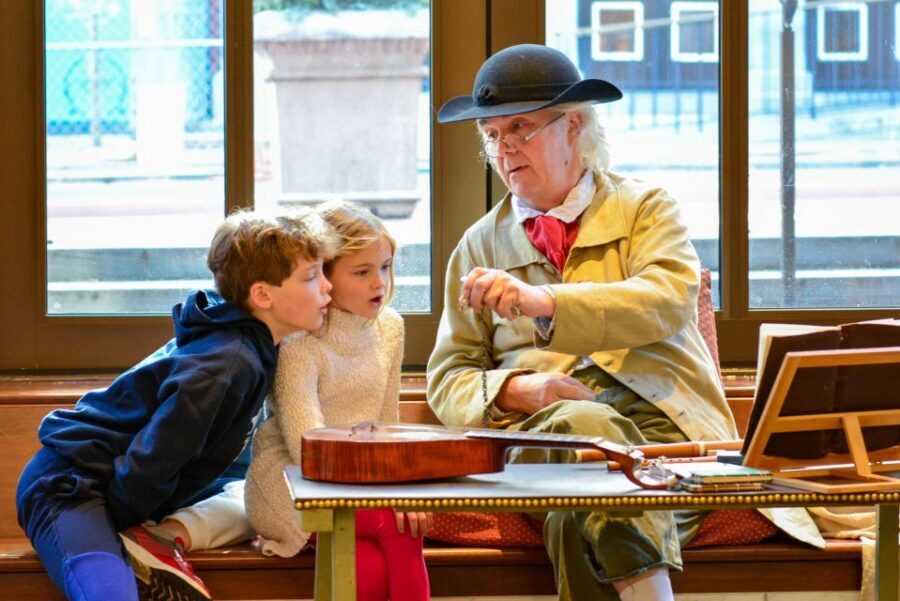
Before you go, take note of what’s not allowed. The museum doesn’t permit:
- selfie sticks
- flash photography
- tripods (and related support like monopods, per the rules)
These restrictions are common, but here they’re also practical. They keep lines moving and reduce the constant “blocking the aisle” problem that sometimes happens in busy attractions.
Also, plan for the fact that the “best photo moment” might not be the tent feature or a single gallery shot. You’ll likely focus more on learning and atmosphere than on getting a perfect social media timeline.
Timing and pacing: how long a thoughtful visit takes
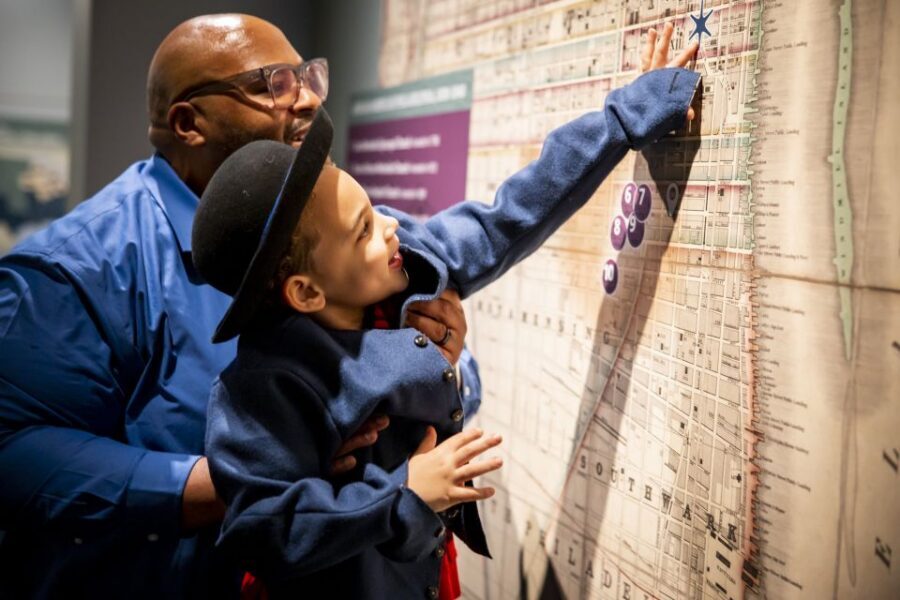
The ticket gives you 2 days, but the real question is how much time you want to spend inside each day. A good guiding rule is what one visitor advised: plan 3 hours or more if you want to truly take in the museum.
If you’re the type who reads most labels, pauses at interactive screens, and wants to sit through the films without feeling rushed, 3 hours can be your minimum.
If you can, splitting the visit across two days is the smarter move. One limitation shows up when you don’t have the time to stretch it out—you can end up seeing a lot without letting the themes settle. With two days, you can do film + one main gallery set on day one, then return for the rest with fresher attention.
How this fits into a Philadelphia Old City day
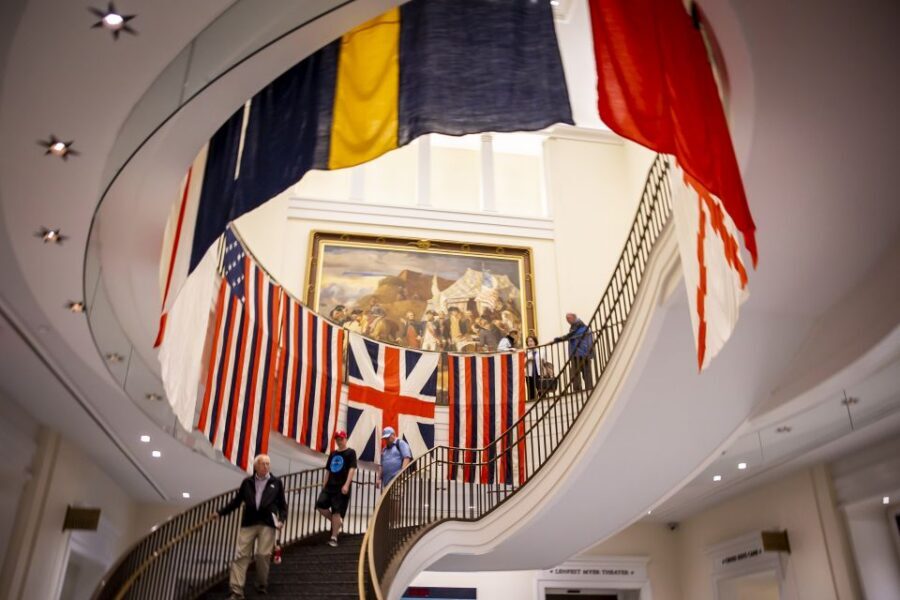
Because the museum sits steps from Independence Hall, it plays well with the usual Old City route. You can treat it as a “history context stop” that makes other landmarks more meaningful.
Here’s an easy way to build a day:
- Start the museum with the orientation film, so you understand what you’re about to see.
- Use the galleries to connect the political story to daily life—money, households, and the pressure people felt.
- Then head out to Independence Hall with better background, so the site doesn’t feel like a separate world.
If you’re staying in Philly only briefly, the two-day ticket can also reduce stress. You don’t need to perfectly schedule everything on one day.
Who should book this museum (and who might want to adjust expectations)
This is a great fit if you:
- want American history explained with context, not just dates
- like museums that use interactive digital elements and theater-style presentations
- care about how ordinary people lived before, during, and after the Revolution
It’s also a good choice if you’re history-curious but not sure where to start. The orientation film helps you get oriented fast.
If you dislike film sections in museums or you prefer purely object-based viewing, you may find the tent feature takes more spotlight than you want. In that case, go in planning to watch it, then spend your time afterward on the objects and galleries that match your style.
Rules, tickets, and small practicalities you’ll want to remember
A few details help your visit go smoothly:
- You can enjoy the ticket as two consecutive days with in-and-out privileges.
- The visit runs on a morning/afternoon pattern for the usable time windows (so choose the slot that fits your schedule).
- The museum offers printed info booklets across many languages, which can reduce frustration if your group needs different languages.
- You won’t have food and drinks included, so plan for a snack stop nearby or bring your own plans for meals.
Also, you start at the Museum of the American Revolution itself, and the greeter/support is available in English.
Should you book the Museum of the American Revolution?
Yes, if you want a high-impact history stop that doesn’t stay stuck in the “famous people only” lane. The combination of a short orientation film, a real feature film about Washington’s war tent, and object-focused exhibits makes it a strong use of time—especially with the two-day format.
Book it if:
- you’re visiting Philadelphia’s Old City and want the Revolution to make more sense
- you’re okay spending a few hours reading and watching, not just walking by
- you value interactive elements and hands-on learning (especially the digital components)
Skip or adjust expectations if:
- you only have an hour or two and hate longer museum pacing
- you strongly dislike film segments or prefer quiet galleries without theater moments
- you don’t want to follow strict photo rules like no flash and no tripods
FAQ
How long should I plan to visit the Museum of the American Revolution?
Plan on at least a few hours. One practical rule of thumb is to budget 3 hours or more if you want time to read, watch, and use interactive parts. The ticket also gives two consecutive days if you want to spread it out.
What is included with the 2-day admission?
Admission covers two consecutive days with in-and-out entry. It also includes the 15-minute orientation film Revolution, plus the 12-minute feature film Washington’s War Tent, along with printed information booklets.
Is the orientation film included, and how long is it?
Yes. The included orientation film is called Revolution and runs about 15 minutes.
Is the Washington’s War Tent film included?
Yes. The included feature film is Washington’s War Tent and runs about 12 minutes.
Do I get an audio guide?
There’s an optional audio guide wand. If you choose it, it’s available in English, Spanish, and French.
Are printed guides available in multiple languages?
Yes. Printed information booklets are listed in English, Spanish, Mandarin, French, German, Japanese, and Vietnamese.
Is food and drink included with the ticket?
No. Food and drinks are not included, so plan meals separately.
How close is the museum to Independence Hall?
The museum is located just steps from Independence Hall, making it easy to connect the two in a single area itinerary.
What items are not allowed inside?
The museum rules state that selfie sticks are not allowed, flash photography is not allowed, and tripods/monopods are not permitted.
Can I cancel for a refund?
Yes. The policy allows free cancellation up to 24 hours in advance for a full refund.