REVIEW · PHILADELPHIA
Philadelphia Museum of Art and The Rodin Museum
Book on GetYourGuide →Operated by Philadelphia Museum of Art · Bookable on GetYourGuide
Art on a grand scale, and it’s walkable. The Philadelphia Museum of Art main building is built for serious looking: you’ll move through hundreds of galleries and find major artists like Monet, Rodin, Duchamp, and more, with an included English audio guide to keep you moving at your pace.
I also love the way this day trip quiets down fast. After the museum’s big energy, the Rodin Museum garden gives you a calmer setting for sculptor Auguste Rodin, just down the Parkway, and your ticket covers admission to both places. The one real drawback to plan around: the Rodin Museum is closed Tuesday through Thursday.
In This Review
- Key takeaways
- Starting at the Admission Desks on Benjamin Franklin Parkway
- Your one-day game plan: how to split Main Building and Rodin
- Why the Philadelphia Museum of Art feels like an entire world
- Impressionist rooms: Van Gogh and Monet in a tight hit list
- Modern and contemporary: Duchamp and Picasso moments
- Architecture inside the museum: cloister, teahouse, palace hall
- Rodin Museum gardens: a quieter ending with real atmosphere
- Audio guide and free docent tours: how to get more for the money
- Price and value: $30 that can stretch across two days
- Maintenance closures: how to stay flexible without losing the best parts
- Where to eat and shop without wrecking your museum time
- Who this museum pairing is best for
- Should you book this one-day Philadelphia + Rodin visit?
- FAQ
- What does the ticket include?
- How much does it cost?
- How long should I plan for this experience?
- Which days are the Rodin Museum open?
- What are the Main Building hours?
- Are special exhibitions included?
- Is there a place to store bags?
- Do children get free entry?
- Are there guided tours?
- What’s the cancellation policy?
Key takeaways
- 200-gallery Main Building: A huge collection across art and architecture, not just paintings.
- Major names in one day: You’ll see work tied to Monet, Rodin, Duchamp, Van Gogh, and Picasso.
- Flexible ticket value: One ticket allows 2 day access to the Main Building and the Rodin Museum.
- Impressionist favorites are practical: Sunflowers plus Monet scenes give you fast emotional payoffs.
- Rodin’s garden works like a reset: Sculpture outdoors changes the pace after indoor galleries.
- Free guided tours at set times: After admission, docent-led tours run (including an hourly 11:00-2:00 window mentioned by visitors).
Starting at the Admission Desks on Benjamin Franklin Parkway
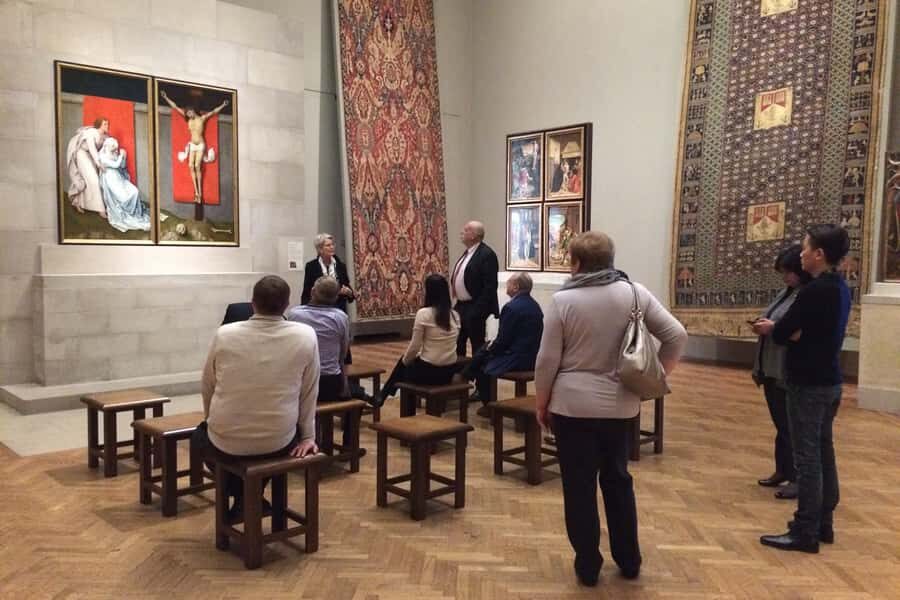
Go straight to the check-in process first. When you arrive at 2600 Benjamin Franklin Pkwy, Philadelphia PA 19130, check in at any of the admission desks so you can get your ticket details rolling for the Main Building and the Rodin Museum.
I like how this setup keeps things simple. There’s a free baggage store for backpacks, coats, and umbrellas, which matters because museums get heavy fast once you start moving between galleries and gardens. Just plan to travel light and you’ll enjoy the day more.
One more thing: keep sharp objects out of your bag. Weapons or sharp objects aren’t allowed, so pack like you’re going through a strict security line.
Other museum tickets and admissions we've reviewed in Philadelphia

Your one-day game plan: how to split Main Building and Rodin
This is a big museum day, but it doesn’t have to feel chaotic. The Philadelphia Museum of Art Main Building hours are Thursday through Monday, 10:00 AM to 5:00 PM, with Friday evenings open until 8:45 PM. The Rodin Museum runs Friday through Monday, 10:00 AM to 5:00 PM.
Because the Rodin Museum is closed Tue–Thu, you’ll want to build your day around the Main Building’s open days and then decide whether Rodin fits on the same day. If you can, aim for the morning at the Main Building and save Rodin for later in the afternoon, so you end with a slower mood.
If you only have one full day and you love highlights, you’ll still be able to see the major Impressionist stops and a selection of modern rooms. If you’re a slow museum walker, the extra value is obvious: one ticket gives 2 day access to the Main Building and Rodin Museum, so you can spread the pressure.
Why the Philadelphia Museum of Art feels like an entire world
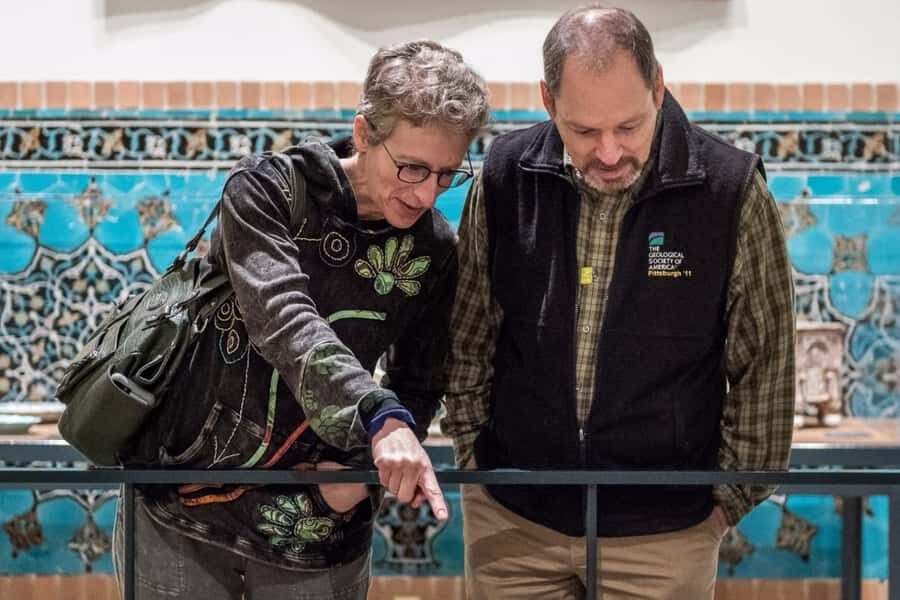
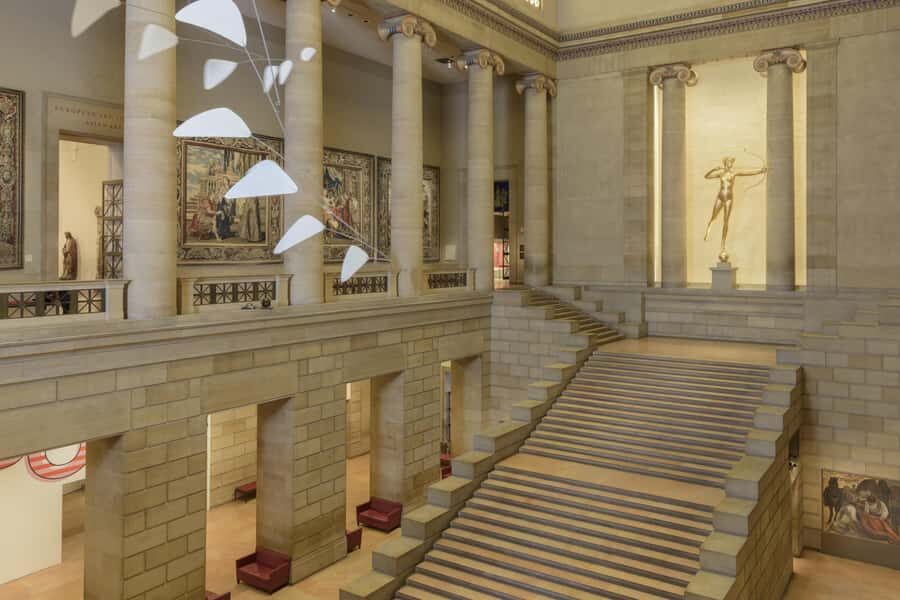
The Main Building is one of those places where “what kind of art is here?” turns into “how many art experiences do you want today?” With 200 galleries, you’re not just ticking off famous paintings. You’re moving through collections and environments that also include major architectural spaces.
You’ll get a museum that works on two levels. On one level, it’s a straightforward museum visit with major artists and themed galleries. On another, it’s a map of how buildings and design shape the way you read art—because the museum includes spaces inspired by multiple cultures and time periods.
That’s why I think this museum is great even if you don’t consider yourself an art expert. The audio guide helps you get oriented, and the building does a lot of the storytelling for you as you move from room to room.
Impressionist rooms: Van Gogh and Monet in a tight hit list
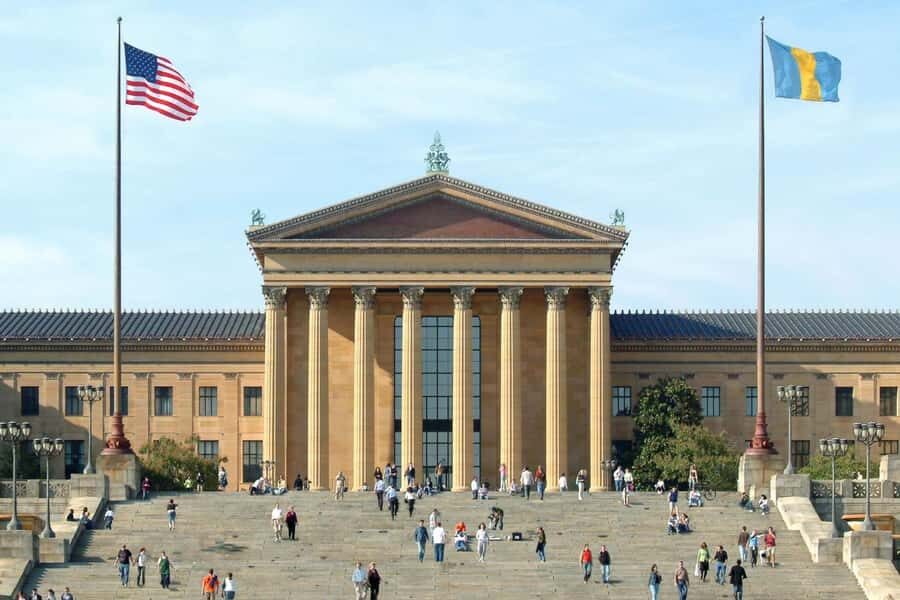
If you want quick wins, start with the Impressionist galleries. This is where visitors often feel that instant spark: you can see Van Gogh’s Sunflowers and then shift into Monet scenes tied to water, light, and gardens.
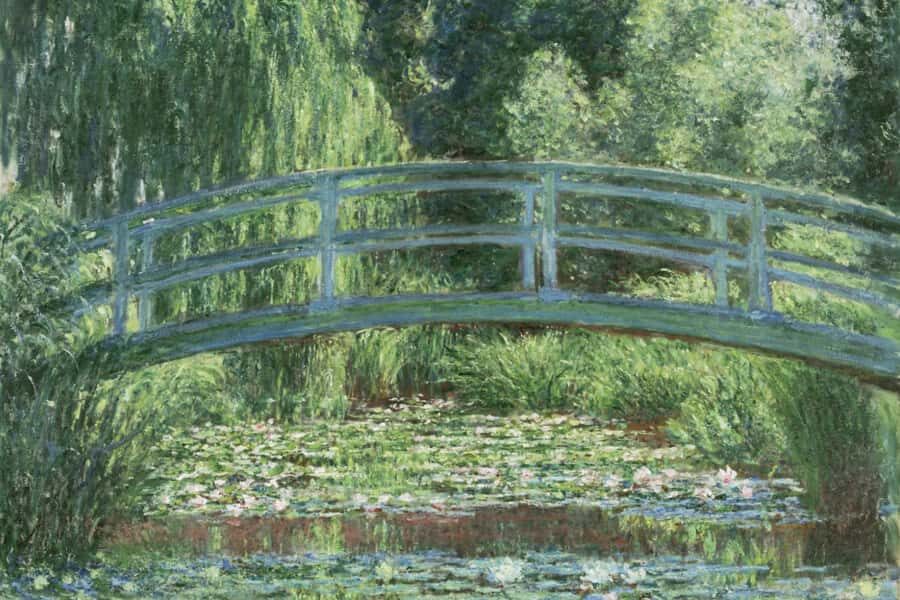
Monet’s The Japanese Footbridge and the Water Lily Pool are the kind of artworks that make you slow down. The subjects are familiar, but the atmosphere is specific, and the museum’s display choices help you notice details without needing a lecture.
I also like that the Impressionist track gives you a smooth rhythm. You can spend enough time to feel the mood of each work, then move on without getting stuck. This is a good strategy if your day is packed and you want your favorite artists to land early.
Modern and contemporary: Duchamp and Picasso moments
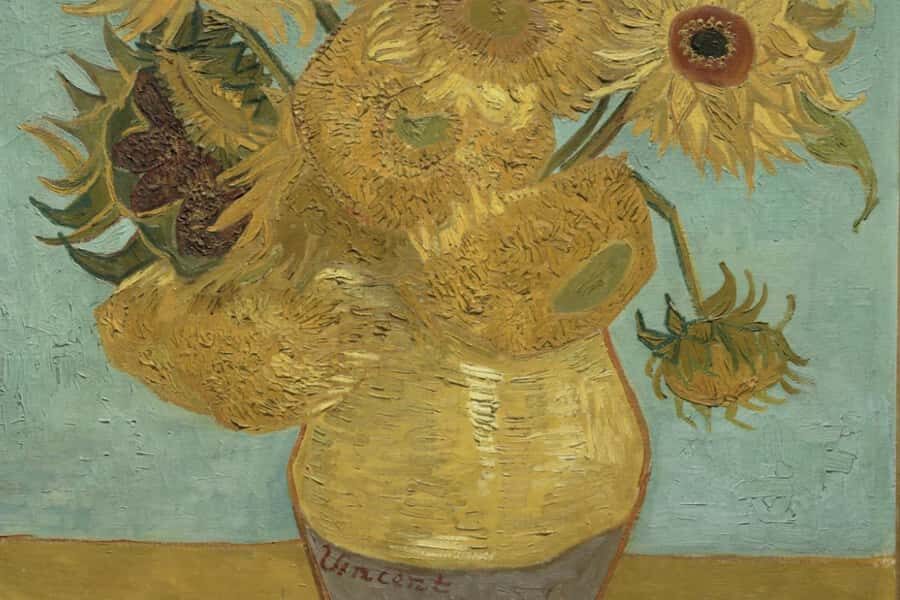
After Impressionism, you’ll want to shift gears. The modern and contemporary galleries are where the museum changes from “look at beauty” to “look at ideas.”
This is where you’ll find Picasso’s Three Musicians and the modern edge tied to artists like Duchamp. What I like about this part of the museum is that it rewards active looking. You’re not just observing; you’re trying to interpret why these objects and compositions feel different from what came before.
If you’re short on time, don’t try to see every room. Pick a few modern highlights and take breaks between clusters. The museum is big enough that even 30 minutes in the right modern rooms can feel satisfying.
Other museum experiences in Philadelphia

Architecture inside the museum: cloister, teahouse, palace hall
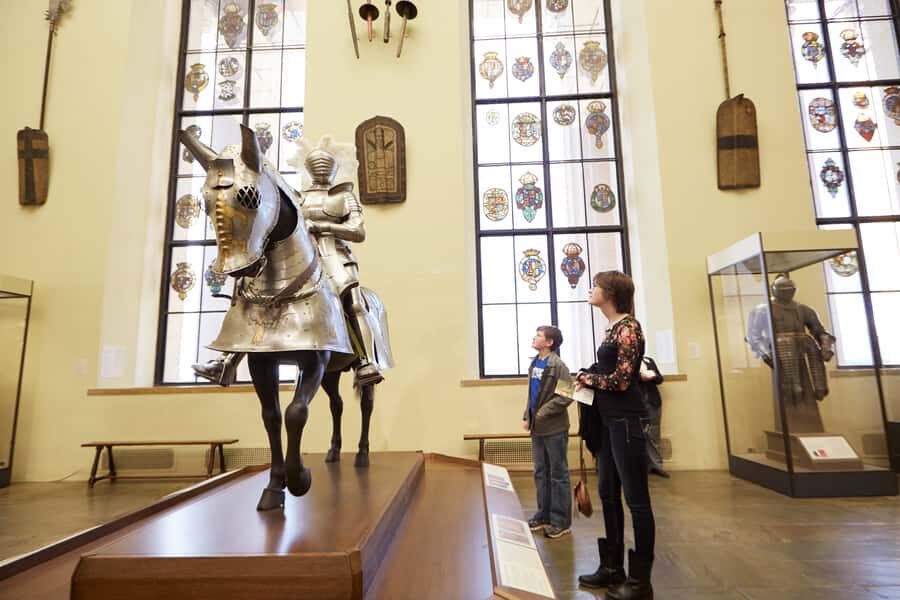
One of the most memorable parts here isn’t a single artwork. It’s the walk-through feel of the collection through architecture, where you can shift from one cultural space to another as you move through the building.
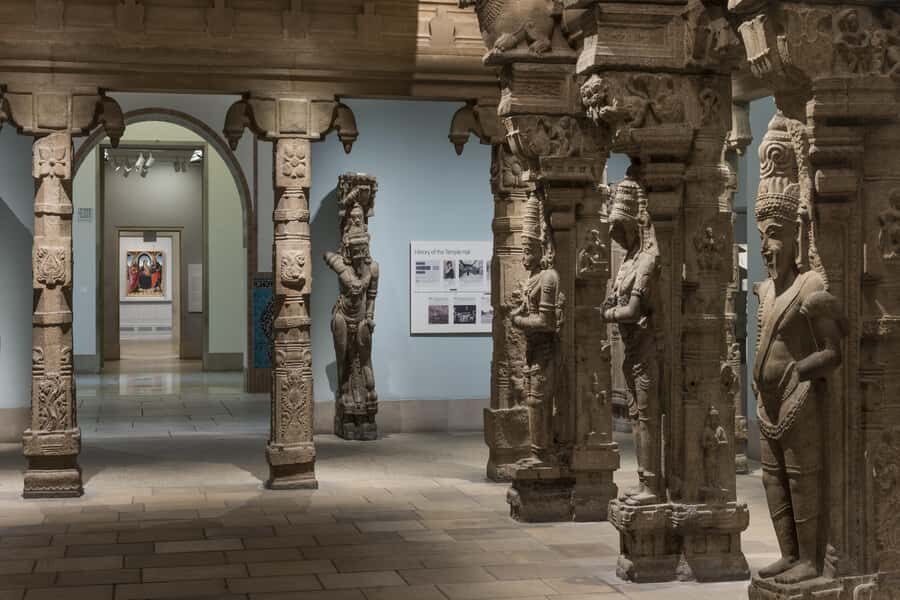
You might encounter a medieval cloister, a Japanese teahouse, a Chinese palace hall, and even a sixteenth-century Indian temple hall. It’s not just decoration. These spaces change your posture, your pace, and the way you look at art around you.
For me, that’s the reason the museum works for many types of travelers. If you love art, you get the big-name paintings and sculptures. If you love design and place, you still get a full day of meaning even if your interest in individual artists varies.
Rodin Museum gardens: a quieter ending with real atmosphere
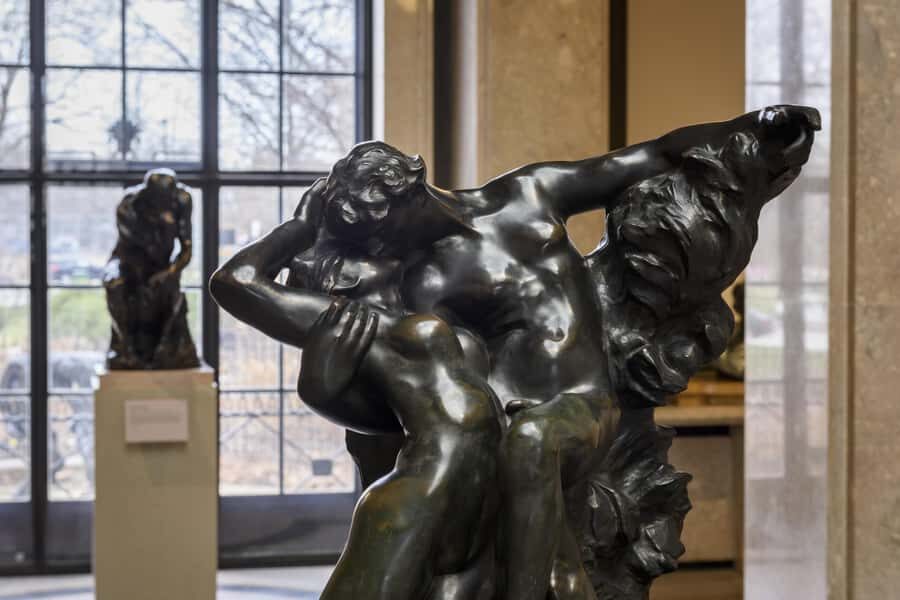
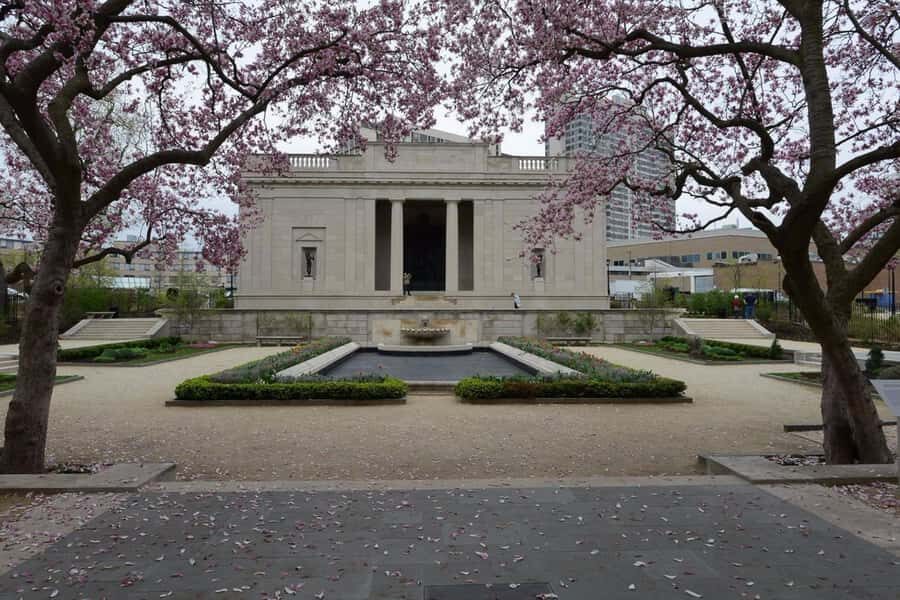
Now for the reset button. The Rodin Museum sits just down the parkway and offers a tranquil garden oasis filled with the work of Auguste Rodin.
This part of the day changes the sensory mix. Instead of moving through controlled interior lighting, you’re outdoors with sculpture in a landscape setting. Even if you’ve never studied Rodin, you’ll likely notice how the museum places emphasis on texture and gesture.
Also, pairing this with the Main Building helps your brain sort the day. Big galleries feed your concentration in the morning. The garden gives you a slower loop at the end, when you’re more willing to linger.
Just plan around the schedule: the Rodin Museum is open Friday through Monday, 10:00 AM to 5:00 PM, and it’s closed Tuesday through Thursday.
Audio guide and free docent tours: how to get more for the money
You get an English audio guide included, which is useful when you want structure but still want freedom. It helps you choose what to focus on and prevents the day from turning into random walking.
On top of that, guided tours are offered to the public free after admission on the top of the hour. That means you can time your breaks around short group sessions rather than planning everything in advance.
One useful tip: some visitors point out an hourly docent tour window from 11:00 to 2:00. If you’re there around midday, it’s worth looking for a scheduled tour when you’re checking in, because it can add context fast without eating your whole day.
Price and value: $30 that can stretch across two days
At about $30 per person, this feels like a fair deal for two major cultural stops. You’re paying for admission to the Main Building and the Rodin Museum, and the bigger value is that one ticket allows 2 day access.
That matters because the Main Building can easily eat your entire day. If you try to do everything in a single pass, you’ll end up skimming. With the 2 day access feature, you can return for the rooms you didn’t reach the first time.
Also, keep expectations clear: select special exhibitions aren’t included. The core museum experience still gives you major works and major spaces, but if a special exhibit is your top priority, you’ll want to confirm what’s included before you plan your day.
Maintenance closures: how to stay flexible without losing the best parts
Like many large museums, this one undergoes maintenance projects, and certain galleries or individual artwork may be off view. That sounds like a complaint, but in practice it’s usually how you avoid disappointment: you show up ready for highlights, and you let the missing pieces shift your route.
My practical approach is simple. Plan around the big sections that are most likely always worth your time—Impressionist galleries for the Van Gogh and Monet moments, modern galleries for the Picasso and Duchamp-style ideas, and the Rodin garden for the outdoor reset. Then let the off-view details redirect you to nearby rooms.
The museum is big enough that rerouting rarely feels like failure. It turns into a chance to find something you didn’t put on your mental checklist.
Where to eat and shop without wrecking your museum time
You’ll find cafés and shops on-site, with art-inspired and one-of-a-kind items. It’s a nice way to turn your last hour into something practical, like books, jewelry, textiles, and gift-worthy children’s treasures.
If you want an easy nearby meal, there’s Stir, described as the only Frank Gehry–designed restaurant on the East Coast. Even if you just use it as a plan B, it’s helpful to know you have a design-forward option nearby when your feet start complaining.
For best results, take food breaks before you hit the “hangry” stage. Big museums make you forget time until it’s suddenly 3:30 PM and you’re ready to move on.
Who this museum pairing is best for
This day is ideal if you want a mix of big art names, serious museum scale, and a calmer sculptural finish.
It’s especially good for:
- First-timers who want a “greatest hits” experience across art eras
- People who like architecture and how spaces change art viewing
- Travelers who want one ticket to cover two top destinations without complicated transfers
It may be less ideal if you only like one narrow art style, because the Main Building covers a wide range of periods and approaches. You’ll get more out of it if you’re willing to follow your curiosity room to room.
Should you book this one-day Philadelphia + Rodin visit?
Yes, if you want maximum cultural value in one day and you like having an easy structure. The Main Building’s 200 galleries plus the Rodin Museum garden are a strong combo, and the $30 price makes sense because you’re not paying for just one museum stop.
Also, if your schedule lines up for Rodin Museum open days (Friday through Monday), you’ll get the full two-place payoff. If you’re traveling Tuesday through Thursday, don’t plan on Rodin that day—build around the Main Building instead.
If you’re the kind of visitor who likes to linger, use the 2 day access to spread it out. You’ll see more, enjoy more, and stress less.
FAQ
What does the ticket include?
Your ticket includes entry to the Philadelphia Museum of Art Main Building and the Rodin Museum. You also get an included English audio guide and access to free guided tours after admission.
How much does it cost?
The price is listed at $30 per person.
How long should I plan for this experience?
The experience is set up for a 1-day visit.
Which days are the Rodin Museum open?
The Rodin Museum is open Friday through Monday, 10:00 AM to 5:00 PM, and it’s closed Tuesday through Thursday.
What are the Main Building hours?
The Main Building is open Thursday through Monday, 10:00 AM to 5:00 PM, and open until 8:45 PM on Friday evenings. It’s closed on Tuesday and Wednesday.
Are special exhibitions included?
Select special exhibitions are not included.
Is there a place to store bags?
Yes. There is a baggage store available free of charge for backpacks, coats, and umbrellas.
Do children get free entry?
Yes. Entry is free for children aged 18 and under.
Are there guided tours?
Guided tours are offered to the public for free after admission on the top of the hour. An audio guide is also included in English.
What’s the cancellation policy?
Free cancellation is available up to 24 hours in advance for a full refund.