REVIEW · PHILADELPHIA
Philadelphia: Small-Group Hamilton Walking Tour
Book on GetYourGuide →Operated by phillyPHAT · Bookable on GetYourGuide
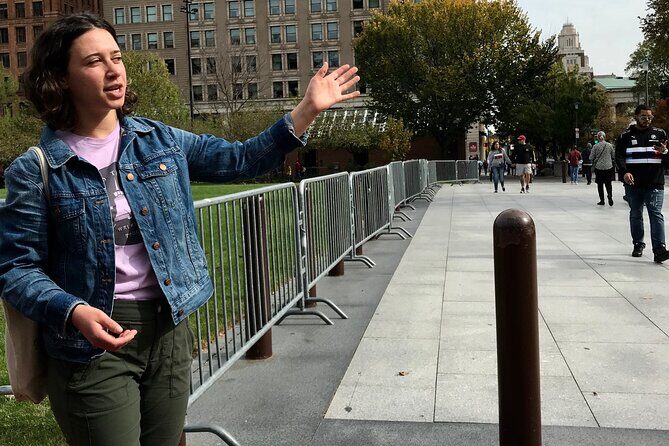
Hamilton fans get a new kind of Philly map. This 150-minute walking tour turns the story of the U.S. founding into something you can see on real streets, with music excerpts mixed into the facts as you go. I like the tight, small-group feel (it’s easier to ask questions and stay engaged) and I really enjoy how the guide, Reid, uses rap and sing-along moments from Hamilton to make fast history feel memorable. One consideration: this is still a substantial walking route, rain or shine, and it can be tough if you have limited mobility.
You start at the Independence Visitor Center, then work your way through the core sites tied to Alexander Hamilton’s role in shaping the early United States. Expect guided stops at the big landmarks plus a couple of shorter sightseeing moments that help you connect the dots between government, money, and personal storylines tied to Maria Reynolds. If you’re not into the Hamilton soundtrack or you want lots of time sitting, you may find the pacing a bit full.
In This Review
- Key things to love about this Philadelphia Hamilton walking tour
- Why this Hamilton walking tour works so well in Philadelphia
- Starting at the Independence Visitor Center (and getting oriented fast)
- President’s House Site to Independence Hall: the founding power switch
- Hamilton’s banking thread: the Second Bank and the First Bank stops
- Carpenter’s Hall: where Congress gathered and early finance lived
- Maria Reynolds: the real locations behind the musical storyline
- First Bank into the personal and political threads (and why the pacing matters)
- Ending at Robert Morris’ grave and Christ Church
- Price and value: is $45 worth it?
- Who should book this tour (and who might not love it)
- Practical tips for a smoother walk around Independence Hall to Christ Church
- Should you book the Philadelphia: Small-Group Hamilton Walking Tour?
- FAQ
- Where does the tour start?
- Where does the tour end?
- How long is the Philadelphia Hamilton walking tour?
- How much does it cost?
- Is music included during the tour?
- Does the tour run rain or shine?
- Is the tour offered in English?
- Is the tour wheelchair accessible?
- Is it suitable for children?
- What should I bring?
Key things to love about this Philadelphia Hamilton walking tour
- Small-group pace that keeps the story easy to follow
- Guide Reid’s Hamilton-style rapping and singing that links music to key historical details
- Independence Hall and Constitution writing area as your early anchor points
- Carpenter’s Hall for the First Continental Congress plus the early banking story
- Hamilton’s real-world Reynolds connection, tied to the places used in the musical
- A satisfying ending at Christ Church, finishing with Robert Morris’ grave area
Why this Hamilton walking tour works so well in Philadelphia
Philadelphia is made for walking tours, because the founding-era sites are close enough to connect in one afternoon. This tour takes advantage of that. You’re not just looking at buildings; you’re being walked through how the United States had to organize itself, with Hamilton showing up where money and government start colliding.
The biggest strength is how the tour blends two ways of learning. You get clear historical context about Alexander Hamilton’s impact on the new nation, and you also get short excerpts of music that help the story stick. Reid’s approach sounds surprising at first—rap and song moments—but it’s timed to support the history, not to distract from it. If you already know the Broadway soundtrack, those musical beats act like mental signposts.
The other thing that makes it feel worthwhile is the small-group format. At $45 per person, you’re paying for more than access to landmarks—you’re paying for an expert local guide and a guide-led flow through the key places. In a bigger crowd, you’d miss the “why this matters” layer. Here, the story stays focused.
Other Founding Fathers and Revolutionary history tours we've reviewed in Philadelphia
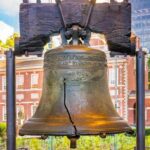


Starting at the Independence Visitor Center (and getting oriented fast)
The meeting point is just inside the Independence Visitor Center at the gift shop. Your guide meets you there with a black messenger bag and a Hamilton baseball cap, so you can find the group quickly and get started without wandering.
That early orientation matters. Before you hit the heavy hitters, you’re set up with the storyline for what you’re about to see: the early U.S. leadership structure, the constitutional moment, and then how Hamilton’s work ties into banking and policy. You’re not waiting around for a lecture to begin somewhere else—you’re walking, seeing, and hearing the connections in sequence.
This start also keeps you anchored to the right part of town. You’re right where visitors naturally gather, so it’s easy to orient yourself if you’re coming from elsewhere in Philadelphia. If you want to make the rest of your day work, the guide can also point you toward the nearest subway or bus stop and offer food or drink suggestions after the tour.
President’s House Site to Independence Hall: the founding power switch
You begin with a guided stop at the President’s House site. This is where George Washington and John Adams spent most of their presidencies, so even before Alexander Hamilton is in full focus, you’re standing in the setting for early executive power. It’s a smart opener: you get the leadership context first, then you can understand why the new government needed systems that could actually function.
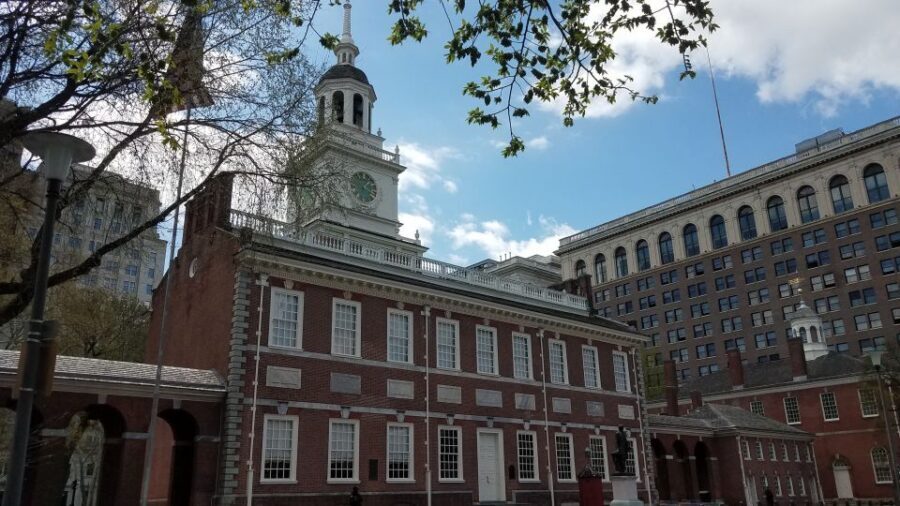
Next comes Independence Hall, where the U.S. Constitution was written. This is one of those places where you can look up and feel history in your bones—but the value here is that the guide helps you understand what you’re looking at and why it mattered. Instead of treating it like a photo stop, you get context in a guided way, plus sightseeing time to absorb the location.
One more thing you’ll notice: the tour design keeps each main landmark moving at a steady pace. Guided segments are short (about 15 minutes each) so you don’t get stuck in a long information dump. That pacing keeps you attentive, especially if you’re carrying a camera and trying to keep your bearings.
Hamilton’s banking thread: the Second Bank and the First Bank stops
After the constitutional anchor points, the tour shifts into the money-and-policy side of the early U.S. You head to the Second Bank of the United States, created by President James Madison. This stop is where Hamilton’s role starts to feel practical. You can see why banking wasn’t just economic trivia—it was part of making the new government work.
Then you visit the First Bank of the United States. This pairing is valuable because it shows you continuity and change. You’re comparing how financial institutions evolved during the early republic, and you’re seeing how policy decisions would shape everyday reality in the new nation.
Even if you’re only a casual Hamilton fan, these bank stops usually land better when you’ve heard the constitutional context first. The tour’s order does that for you: it sets up government needs, then shows where Hamilton-linked systems came in.
Also, the guide uses music excerpts throughout, which can help you remember details when your brain is tired from facts. One thing I liked in the reviews is how the guide sometimes sings along so the story is easier to follow—especially if the words are coming fast. That style can turn “I’ll remember this later” into “I can actually recall what connects to what.”
Carpenter’s Hall: where Congress gathered and early finance lived
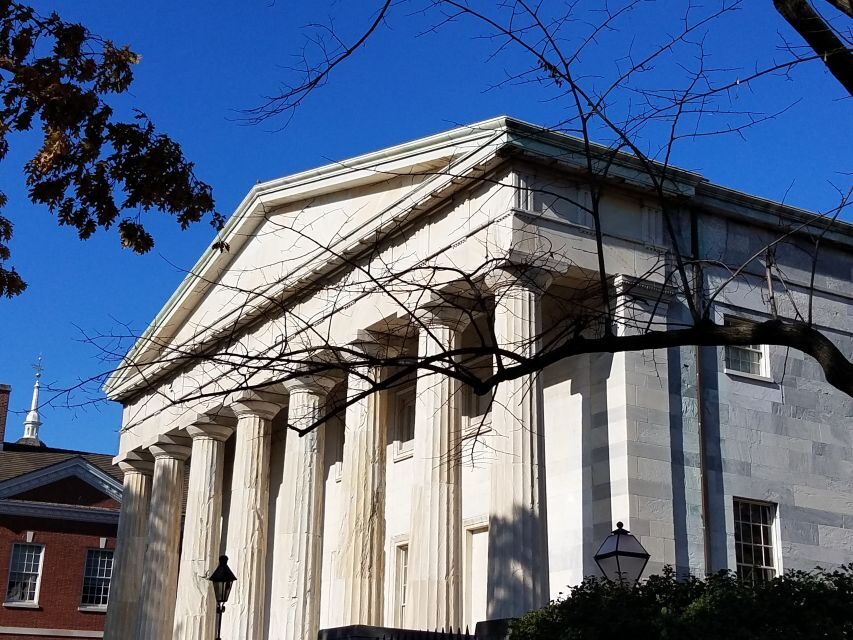
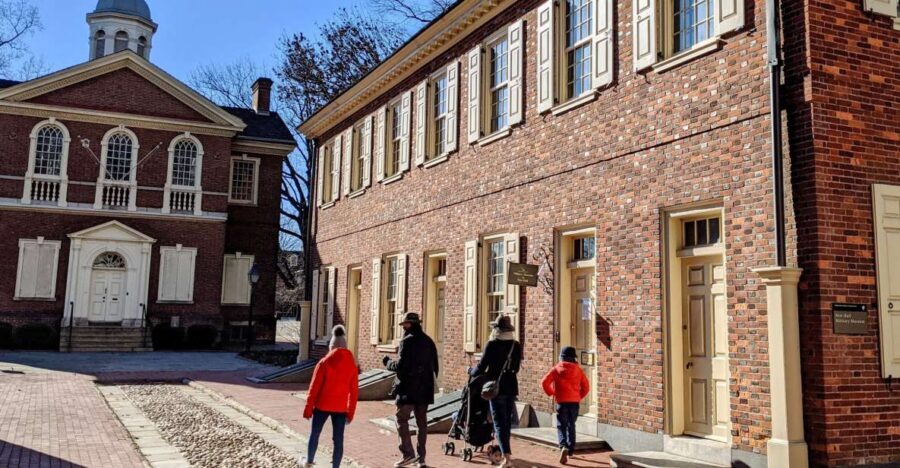
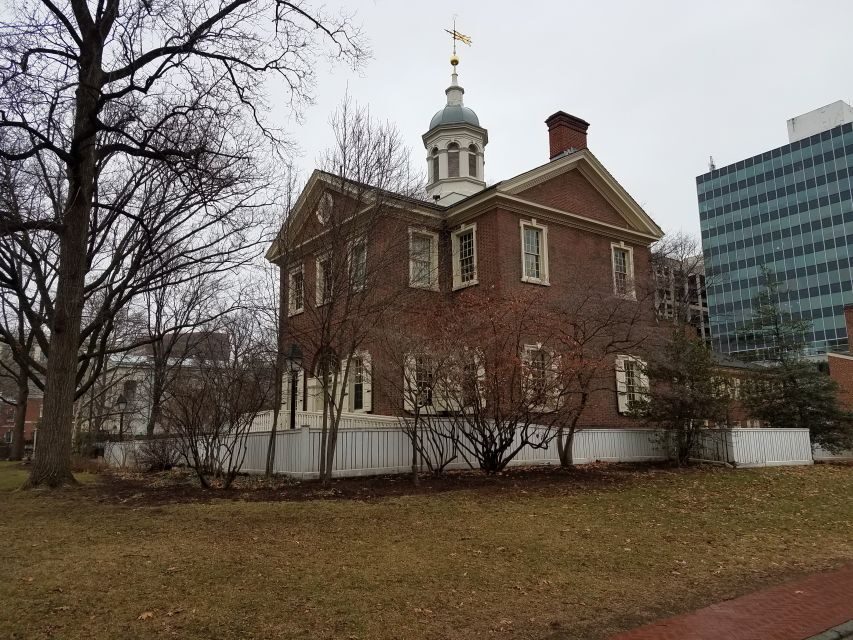
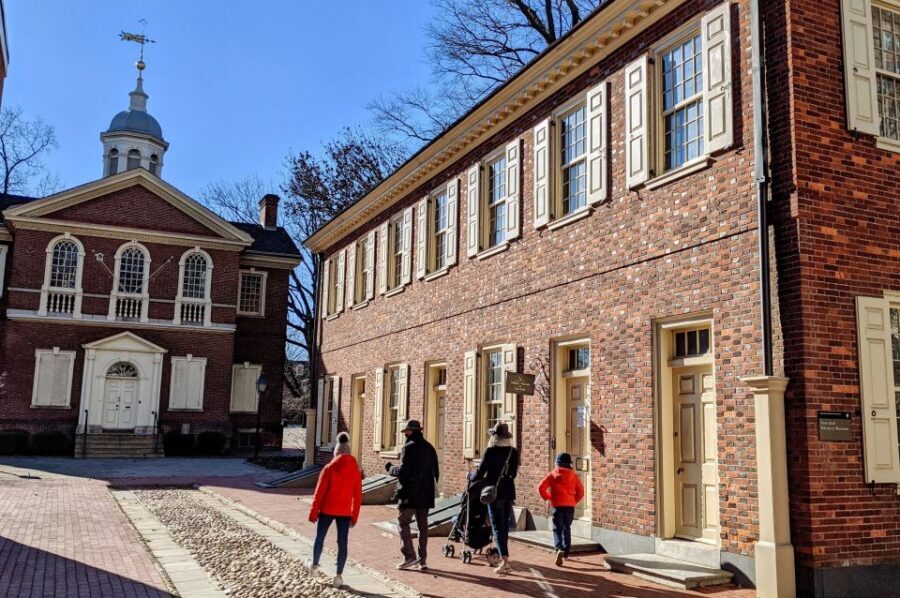
Carpenter’s Hall is one of those Philadelphia places you might think you know—until someone shows you what took place there. The tour includes Carpenter’s Hall with a sightseeing segment that helps you take in the site while still staying tied to Hamilton’s world.
This hall is home of the 1st Continental Congress and also connected to the 1st Bank of the United States. That combination is a big deal. It highlights how the founding wasn’t just speeches and ideals—it was also institutions and practical financing. Standing here makes the link between political action and economic infrastructure feel less abstract.
In other walking tours, you sometimes get one angle: either political history or personal storytelling. Here, you get the overlapping map. Carpenter’s Hall becomes a crossroads where the early governance story and the early banking story meet.
Other walking tours we've reviewed in Philadelphia




Maria Reynolds: the real locations behind the musical storyline
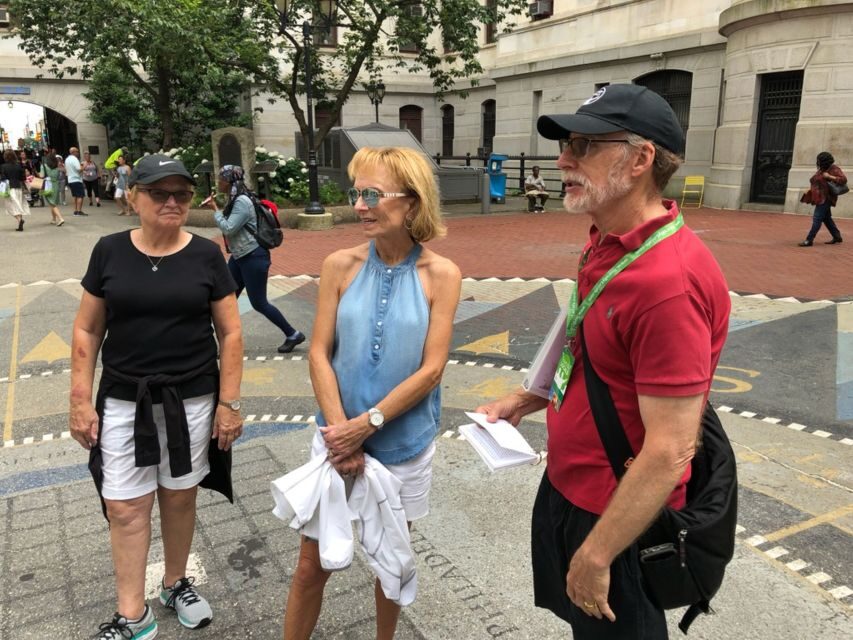
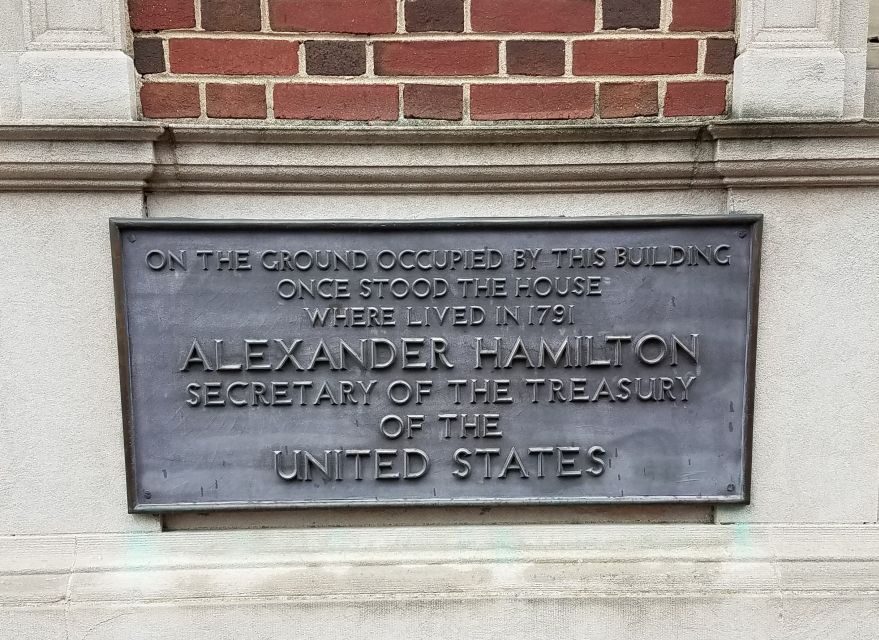
One of the most distinctive parts of this tour is the stop tied to Alexander Hamilton’s short-term mistress, Maria Reynolds. You visit the home connected to Reynolds and you also connect the story back to Hamilton-linked sites tied into the musical.
If you love Hamilton the musical, this is the moment where the “what’s real versus what’s dramatized” conversation becomes concrete, because you’re standing in a real place connected to the storyline. The guide weaves the information so you understand the broader historical context without losing the human element that makes the musical work.
This stop also keeps the tour from becoming only a lecture about institutions. Yes, you’re tracking early America’s systems. But you’re also learning how Hamilton’s story overlaps with real people and real locations—exactly what makes Hamilton feel like it’s about more than just politics.
First Bank into the personal and political threads (and why the pacing matters)
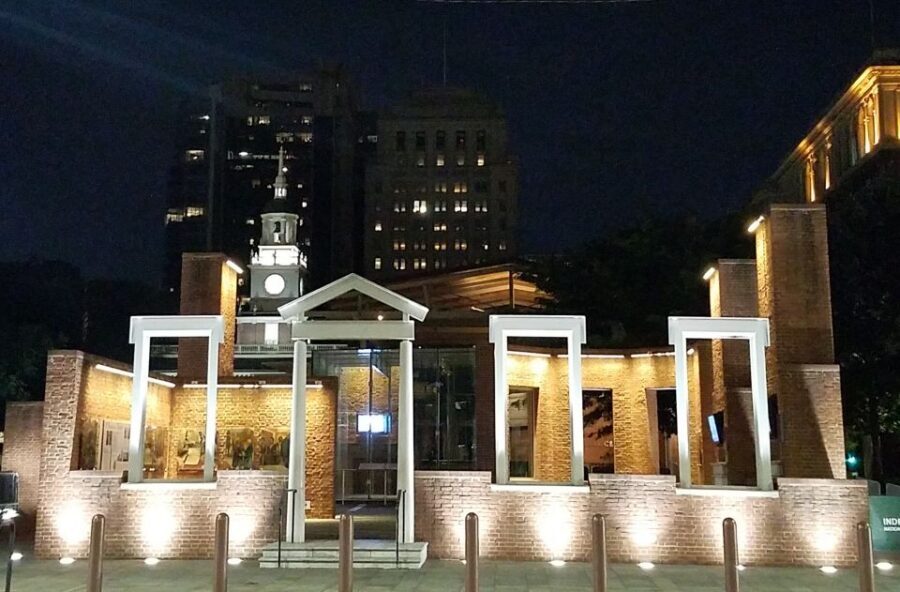
Between the main landmarks, the tour keeps tightening the thread: governance, Constitution-level decisions, and then banking systems that needed to get built. When you’re walking through a city like Philadelphia, it’s easy to feel like every stop is separate. This tour does well at stitching them together.
The guide’s style helps with that. Reid has a habit of using Hamilton lyrics and rap moments to amplify the historic background, and it works because it’s short and focused. It gives your brain a handle for what you just learned, so you’re not trying to memorize a timeline while also navigating sidewalks.
The pacing also includes brief chances to sit in shady places on warm days, which is a practical detail that can make or break a walking tour. Even when you’re only stopping for around 15 minutes at each segment, you still want energy for the next landmark.
Ending at Robert Morris’ grave and Christ Church
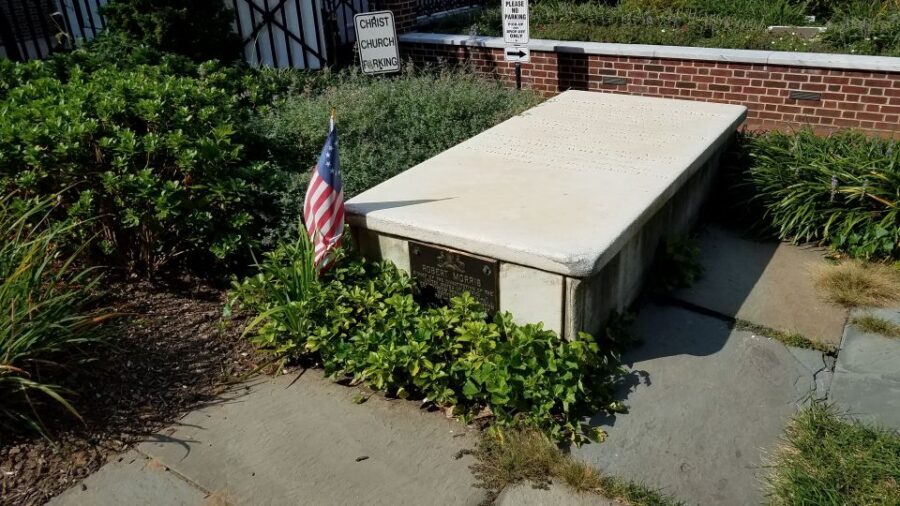
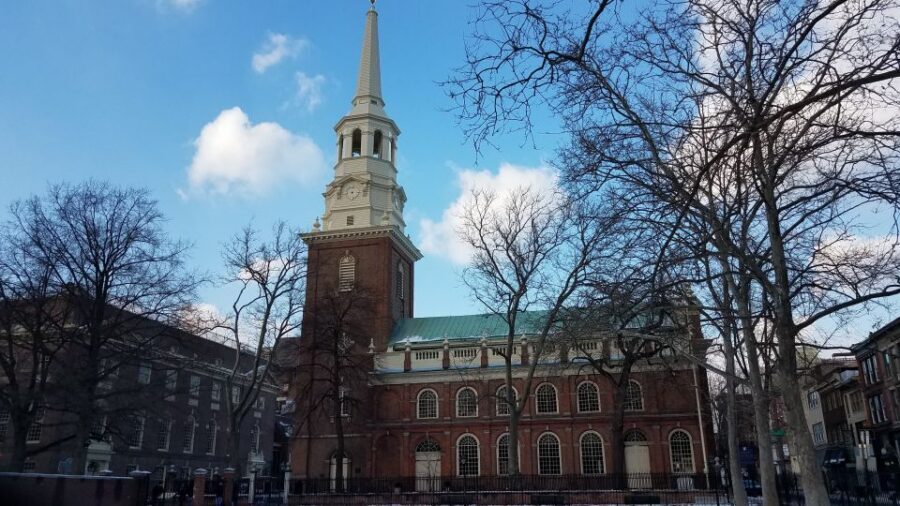
Your last stop is Robert Morris’ grave area, and the tour finishes at Christ Church. This is a meaningful closing point because Morris is tied to the early financial and organizational side of the founding era. Ending here gives the whole walk a natural “final note” after the stops that focused on government architecture and banking institutions.
Christ Church also gives you a quiet sense of closure. You finish feeling like you’ve seen the founding era from multiple angles—big government spaces, the money systems that supported them, and the personal story threads that helped turn history into narrative.
If you want to extend the day, this finish area puts you in a good spot to keep exploring on your own. The guide can also point you toward the nearest subway station or bus stop so you’re not stuck hunting for transit right after your walk.
Price and value: is $45 worth it?
$45 for a 150-minute small-group walking tour sits in a mid-range spot for Philadelphia. The value comes from what’s included: a local live guide and musical excerpts plus the focus on specific sites tied to Hamilton and early American formation.
You’re paying for three things at once:
- A guided story through several key landmarks, not just a list of “see this, then that.”
- A guide with the ability to translate complicated context into something you can remember.
- Music moments that make the connection between Broadway and real places clearer.
In plain terms: if you want to visit the buildings without any explanation, you can do it on your own. But if you want the Hamilton soundtrack to act like a learning tool—and you like being guided in a small group—this price makes sense.
Reid’s approach is also part of the value. Multiple reviews mention his huge Hamilton knowledge and his entertaining storytelling. One review even points out how he uses singing so participants can follow when the information comes quickly. That kind of teaching style is hard to fake, and it’s usually what separates an okay tour from a great one.
Who should book this tour (and who might not love it)
This tour is best for people who genuinely like Hamilton the musical and want the real-life backstory tied to Alexander Hamilton’s role in shaping the early United States. If you enjoy connecting lyrics to locations, you’ll feel like the tour is built for you.
It’s also a good fit if you like guided history that stays grounded in specific places. You get Independence Hall, Carpenter’s Hall, and the bank-related stops plus a stop connected to Maria Reynolds. That mix is exactly what keeps the tour from being one-note.
It’s less ideal if:
- You’re traveling with children under 10, since it’s not suitable for that age group.
- You have mobility impairments. The tour is described as wheelchair accessible because it’s all on sidewalks, but it’s also noted that it’s not easy. The walking time is substantial, rain or shine, so comfort matters.
- You prefer a slower, longer sightseeing pace. Here, the structure is steady and fact-forward.
Practical tips for a smoother walk around Independence Hall to Christ Church
Wear comfortable shoes. Seriously. You’ll spend time walking between major sites, and the tour is designed as a walking experience, not a bus tour with occasional stops.
Bring a camera if you want photos of the founding-era buildings and the specific sites connected to Hamilton’s story. And plan your clothing for the weather, because tours run rain or shine.
If you use a wheelchair or have mobility limitations, think carefully. The tour is accessible in the sense that it stays on sidewalks, but it still involves a substantial amount of walking and the sidewalks are part of the real-world Philadelphia experience. You’ll get more out of the tour if you’re confident you can handle the route.
Finally, show up a few minutes early so you’re inside the Independence Visitor Center gift shop and ready to go when the guide meets the group.
Should you book the Philadelphia: Small-Group Hamilton Walking Tour?
Book it if you want a small-group, guide-led way to see Hamilton-related Philadelphia through real founding-era landmarks. The sweet spot is an enthusiastic Hamilton fan who also wants the historical explanation behind the musical’s story.
Skip it if you want minimal walking, a very relaxed pace, or if Hamilton music isn’t part of your travel style. The tour leans into the Hamilton soundtrack as a teaching tool, so if that won’t work for you, you may not get the full benefit.
If you’re on the fence, ask yourself one question: do you want the story of Alexander Hamilton explained while you stand where it happened? If yes, this is an easy decision.
FAQ
Where does the tour start?
It starts at the Independence Visitor Center. You meet just inside the Visitor Center at the gift shop.
Where does the tour end?
The tour ends at Christ Church, with the final stop at Robert Morris’ grave area.
How long is the Philadelphia Hamilton walking tour?
The duration is 150 minutes.
How much does it cost?
The price is $45 per person.
Is music included during the tour?
Yes. The tour includes short musical excerpts throughout.
Does the tour run rain or shine?
Yes, tours take place rain or shine.
Is the tour offered in English?
Yes, the live guide gives the tour in English.
Is the tour wheelchair accessible?
It is wheelchair accessible as it is all on sidewalks, but it is not easy and it involves a substantial amount of walking.
Is it suitable for children?
It is not suitable for children under 10.
What should I bring?
Comfortable shoes and a camera are recommended, plus weather-appropriate clothing.