
REVIEW · PHILADELPHIA
Penn Museum Admission Ticket
Book on Viator →Operated by Penn Museum · Bookable on Viator
Mummies and major archaeology research, in one stop. With a Penn Museum admission ticket, you get guaranteed entry into the collections and a clear path through cutting-edge archaeology and big questions about where human societies came from. I like that the ticket is mobile and built to keep you moving right into the exhibits.
What I like most is the museum’s arc of human history in one visit, with objects spanning millennia and connecting cultures across continents. One drawback to plan for: if you only give yourself about 1–2 hours, you’re likely to rush and miss the exhibit text that makes the collections feel alive.
In This Review
- Key highlights to look for
- Penn Museum admission for $23: value you can plan around
- What you’ll see: an archaeology time machine across continents
- Egypt and African galleries: where the mummies do the heavy lifting
- How to spend 2 hours (and why 3–4 works better)
- Free presentations and how to fit them into your visit
- Hours, entry flow, and what to expect on the ground
- Booking timing: how far ahead to lock in a slot
- Who should buy this ticket?
- Should you book the Penn Museum admission ticket?
- FAQ
- How much is the Penn Museum admission ticket?
- How long do I have for the experience?
- Is this a mobile ticket?
- What language is the ticket offered in?
- What are the Penn Museum opening hours?
- Is free cancellation available?
- Are service animals allowed?
- Is the museum near public transportation?
- When should I book in advance?
Key highlights to look for
- Mobile ticket that makes entry fast
- Guaranteed entry into the Penn Museum collections
- Artifacts across Africa, Asia, the Americas, and the Mediterranean
- Egypt galleries with lots of mummies
- Free presentations that can add extra context (including interpreting hieroglyphics)
- Acknowledgment of where artifacts came from, not just what they look like
Penn Museum admission for $23: value you can plan around

For $23 per person, this ticket is a straight-forward way to access one of Philadelphia’s best archaeology-focused museums. The value here isn’t just the entry price—it’s the promise of guaranteed entry so you’re not gambling on walk-in availability when you’re planning your day.
You also get a visit window that’s flexible in real life. The ticket is listed as roughly 5 minutes to 2 hours on average, but the museum is big enough that you’ll probably want more than a quick pass if you like reading exhibit details. If you’re the type who skims labels, 2 hours can work. If you actually pause and read, plan longer.
This is also a practical choice if you’re short on time but want real depth. You’re not choosing between “see a few things” and “see everything.” You can shape the visit—Egypt and mummies, or a broader sweep from early cities to more recent cultures.
Other museum tickets and admissions we've reviewed in Philadelphia



What you’ll see: an archaeology time machine across continents
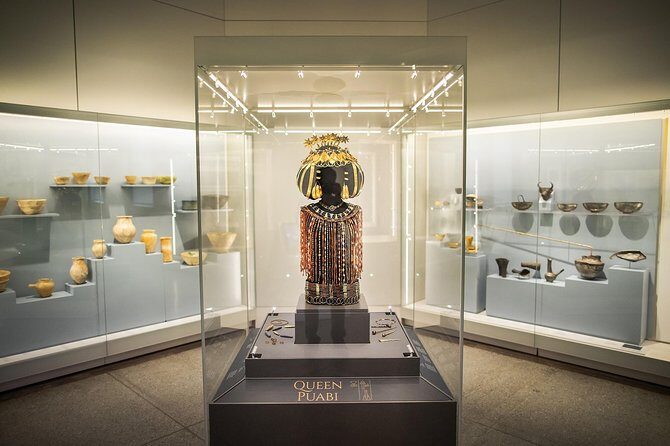
The Penn Museum experience is built around connections—how archaeology links daily life, belief systems, trade, and power across time. From the first cities of the Middle East to pharaohs of ancient Egypt, and from early Mexico to the lives of Native American communities today, the collections are organized to show continuities as well as change.
That “shared humanity” theme matters because it changes how you look at objects. Instead of treating artifacts like isolated trophies, you start asking: Who used this? What problem did it solve? What story did it tell in its own time?
A big plus is the museum’s range across regions, not just one specialty. If you’re traveling with mixed interests—someone who wants Egypt, someone who wants other cultures—you can all find strong anchors. The Egyptian areas tend to pull a lot of people in, but there’s enough spread that you won’t feel trapped in one theme.
Egypt and African galleries: where the mummies do the heavy lifting

If your plan includes Egypt, this is the kind of museum stop that can turn into a full-on highlight reel. Many visitors come for the mummies, and the Egyptian rooms are repeatedly described as the biggest hits.
What’s good about that is simple: mummies and Egyptian objects naturally grab attention, so you can use them as a fast entry point. From there, you can branch out—looking at neighboring cultures, early city life, and how archaeology reads the past through objects, sites, and research.
Africa-focused exhibits also tend to land well when you’re interested in more than one chapter of human story. In fact, the Egypt/Africa angle comes up as a favorite for many people, so if those regions are your priority, you can build your visit around them and still feel satisfied even if you don’t cover every corner.
How to spend 2 hours (and why 3–4 works better)
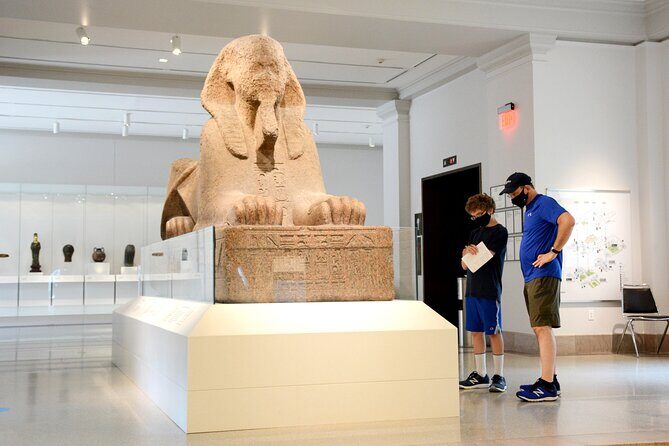
You’ll see the museum listed as about 2–3 hours for a typical visit, but your actual time depends on your pace and reading habits. The best advice I can give is to treat 2 hours as a minimum, not a target—especially if you like exhibit captions and context.
Here’s a practical way to plan:
- Start with the Egyptian areas first if that’s your must-see.
- Then follow the broader geography you care about most, whether that’s the Middle East, the Mediterranean, the Americas, or connections across regions.
- Leave a buffer for the text-heavy sections. That’s where the Penn Museum experience often turns from “cool objects” into “oh, I get it.”
One useful detail from real visits: the museum can feel bigger than expected. People often regret not budgeting enough time because the layout is easy to follow, but the collections are extensive. If you want to feel unhurried, aim for 3–4 hours.
Free presentations and how to fit them into your visit

This ticket gets you admission, but it also makes it easier to add extra educational moments without paying more. A standout tip: take advantage of the free presentations if they’re happening during your visit.
One specific example mentioned is a presentation on interpreting hieroglyphics. That kind of add-on is valuable because it helps you “read” what you’re seeing. Instead of looking at symbols as decoration, you start recognizing them as language and communication.
The timing matters. If you show up right at opening, you can usually settle in and then catch an early presentation. If you arrive later, you may still be able to attend something—just be ready that the schedule can affect what you cover.
If you’re visiting with kids or first-time museum-goers, these presentations can also be a confidence boost. They give structure to the visit, and they can make the artifacts feel more connected to everyday meaning.
A few more Philadelphia tours and experiences worth a look






Hours, entry flow, and what to expect on the ground
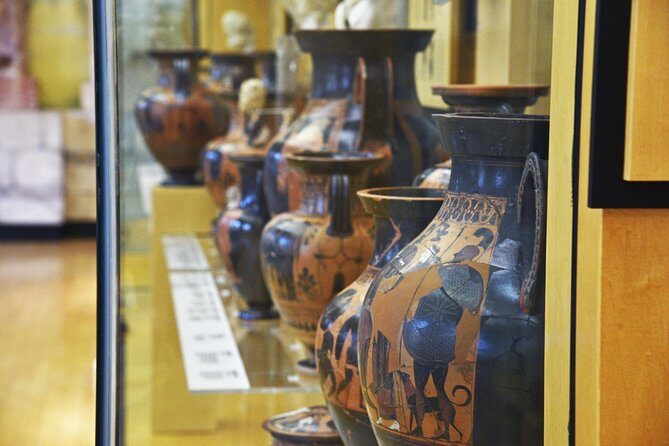
The Penn Museum is open Tuesday through Sunday from 10:00 AM to 5:00 PM. Tickets are confirmed at booking, and you’ll use a mobile ticket for entry, which usually cuts down on time spent figuring out where to stand and what to show.
The museum is also near public transportation, which is a big deal in Philadelphia where parking and traffic can change by block. One review point that comes up: the college-area streets can be busy, and construction can make the approach feel annoying.
So plan for this reality: give yourself a little extra buffer time to get there. If you’re coming by car, expect to pay for parking. If you’re coming by transit, build in time to walk from the drop-off area, since construction can route foot traffic differently.
The museum is open to all, and most people can participate comfortably. Service animals are allowed too, which is important for planning.
Booking timing: how far ahead to lock in a slot
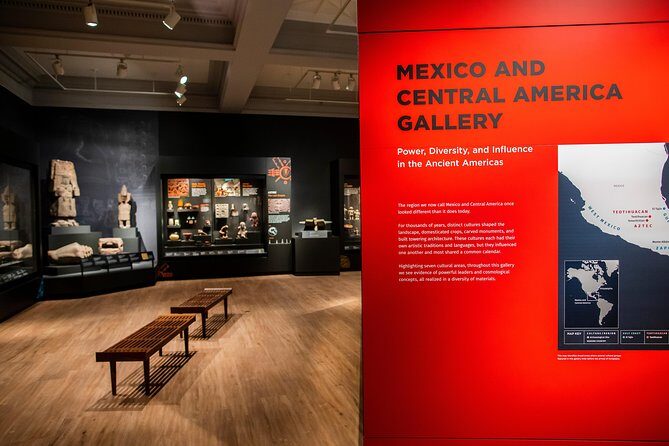
On average, this experience is booked about 9 days in advance. That tells me you should plan like a grown-up: don’t wait until the last day if your schedule is fixed.
At the same time, this is not a “panic-buy” product. The key advantage is guaranteed entry, which lowers the stress compared to attractions that can sell out quickly. You’re still wise to reserve early, especially if you’re traveling with limited flexibility.
If you’re going to pair the museum with nearby sights, booking ahead helps you keep the rest of your day from turning into a scramble. The museum’s hours are predictable, so once you choose your day, you can structure the rest of your itinerary around it.
Who should buy this ticket?
This is a great fit if you:
- Want a museum visit that covers many cultures and a long timeline.
- Care about archaeology research and how museums interpret discoveries.
- Have mixed interests in your group (Egypt fans plus people who want broader geography).
It’s also smart for first-timers to archaeology museums because the ticket gives you access to major anchors quickly—mummies and Egyptian rooms are a common starting point—while still offering plenty beyond that.
If you only like very modern history, the museum may not be your top choice, because it’s designed around ancient to historical collections. But if you like the “how do we know what we know?” side of archaeology, you’ll likely enjoy the context.
And if you want a low-friction cultural stop without a complicated schedule, this ticket approach is easy. You’re not locked into a long program—you’re entering a museum and choosing your pace.
Should you book the Penn Museum admission ticket?
Yes—if you’re planning a serious museum block and you want guaranteed access to collections focused on archaeology. For most people, the $23 price feels fair because the museum gives you a wide, multi-region look at the human story, with Egypt pulling many visitors in for good reason.
Book it especially if you like to read exhibit text and want time for context. If you’re the “see everything fast” type, you can still do it, but you’ll benefit from cutting your list down to your top themes so you don’t feel like you’re sprinting through the rooms.
If you’re trying to decide between a quick look and a meaningful visit, I’d choose the meaningful option. Give yourself 3–4 hours, factor in walking and street conditions, and consider adding a free presentation if one matches your timing.
FAQ
How much is the Penn Museum admission ticket?
It costs $23.00 per person.
How long do I have for the experience?
The ticket is listed as about 5 minutes to 2 hours approximately, but you can stay longer depending on how much you want to read and explore.
Is this a mobile ticket?
Yes. The ticket is mobile.
What language is the ticket offered in?
It is offered in English.
What are the Penn Museum opening hours?
Tuesday through Sunday, 10:00 AM to 5:00 PM.
Is free cancellation available?
Yes. You can cancel for a full refund up to 24 hours before the experience start time.
Are service animals allowed?
Yes, service animals are allowed.
Is the museum near public transportation?
Yes, it’s near public transportation.
When should I book in advance?
On average, it’s booked about 9 days in advance.