REVIEW · PHILADELPHIA
Philadelphia: Valley Forge National Historical Park Tour
Book on GetYourGuide →Operated by WeVenture · Bookable on GetYourGuide
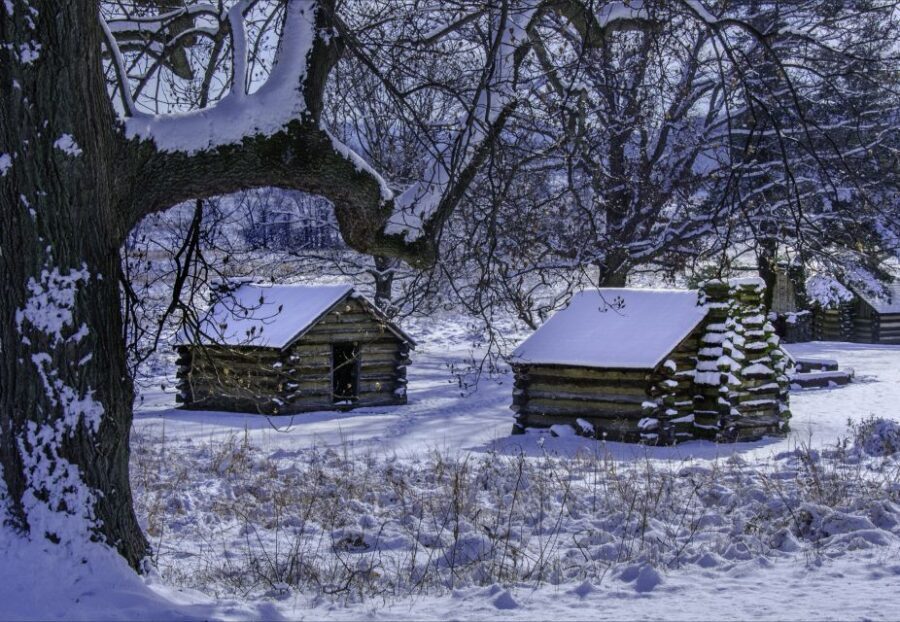
Winter grit, close up. This half-day trip into Valley Forge National Historical Park turns the American Revolution into real places you can stand inside—while your guide sets the story with context on the drive from Philadelphia.
I especially like how you get hands-on feeling for what the encampment meant, not just dates. Exploring the recreated soldiers’ cabins and Washington’s key sites helps the hardships make sense fast. I also appreciate the way guides such as Dale and Tom shape the day with clear explanations and lots of time for questions.
One consideration: food and drinks aren’t included, and it’s rain or shine, so you’ll want to plan for weather and a small snack stop on your own.
In This Review
- Key highlights that make this tour worth your time
- Why Valley Forge hits differently than a typical history stop
- Price and value: what $115 covers (and what to plan for)
- The ride from Philadelphia: where the story starts on the road
- Visitor Center first: artifacts that give you something to hold onto
- Recreated cabins and the feel of winter quarters
- Washington’s Headquarters and the National Memorial Arch: big landmarks, clear meaning
- Washington Memorial Chapel: when memory becomes a place
- Philander Chase Knox Estate: local history around the park
- Commander in Chief’s Guard Huts: the “support system” part of the story
- The guides make the difference: Dale, Adam, Marty, Tom, Owen
- Rain or shine: how to dress and what to carry for a 4.5-hour outing
- Pace and who it’s best for (and who it may not be)
- Should you book? My take on whether it’s a yes
- FAQ
- Where does the tour start and end?
- How long is the Valley Forge National Historical Park tour?
- What’s included in the price?
- Is food or drinks included?
- Does the tour run in bad weather?
- Is this tour wheelchair accessible?
- How big is the group?
Key highlights that make this tour worth your time
- Small group up to 14 means your questions don’t get lost in the shuffle
- Recreated cabins and guard huts help you picture the daily reality of winter quarters
- Washington’s Headquarters and the National Memorial Arch connect the story to specific, physical landmarks
- Visitor Center artifacts give you objects to anchor the history before you walk the grounds
- Guide-led storytelling from instructors like Marty, Adam, Owen, and Rick keeps the pace human and focused
- A peaceful countryside ride from Philadelphia makes the history feel like a real day out
Why Valley Forge hits differently than a typical history stop
Valley Forge is one of those places where history stops being abstract. In a few hours, you’ll see the encampment layout, walk through recreated spaces, and hear how Washington’s army held together during a brutal winter.
The best part is the cause-and-effect feeling. You learn why this wasn’t just a sad chapter, but a turning point—when endurance helped shape discipline and fighting strength later on.
Other historic Old City walking tours we've reviewed in Philadelphia



Price and value: what $115 covers (and what to plan for)
At $115 per person for a 4.5-hour outing, the real value is that you’re buying the full package: roundtrip transportation, a live tour guide, and a donation to Valley Forge National Park. You’re not spending half the day figuring out buses, parking, or timed entry.
The one thing not included is food and drinks. That matters because you’re outdoors, and you’ll want energy for walking between sites. Bring water, and consider a snack you can eat before you run low—then you won’t waste time hunting for food.
The ride from Philadelphia: where the story starts on the road
Your day begins at 48 N 12th St, in the SW corner of the intersection at 12th and Arch Streets. Look for the WeVenture Tours sign, and expect a straightforward start with roundtrip transportation included.
Once you’re headed out into the Philadelphia countryside, your guide sets the stage. You’ll get background on the early years of the war and the lead-up to why Washington’s army ended up at Valley Forge in winter, not by choice, but by strategy.
This “ride briefing” is more useful than it sounds. It helps you connect what you’ll see later—camps, huts, headquarters—to the bigger plan of the Revolution, so the park doesn’t feel like a list of stops.
Visitor Center first: artifacts that give you something to hold onto
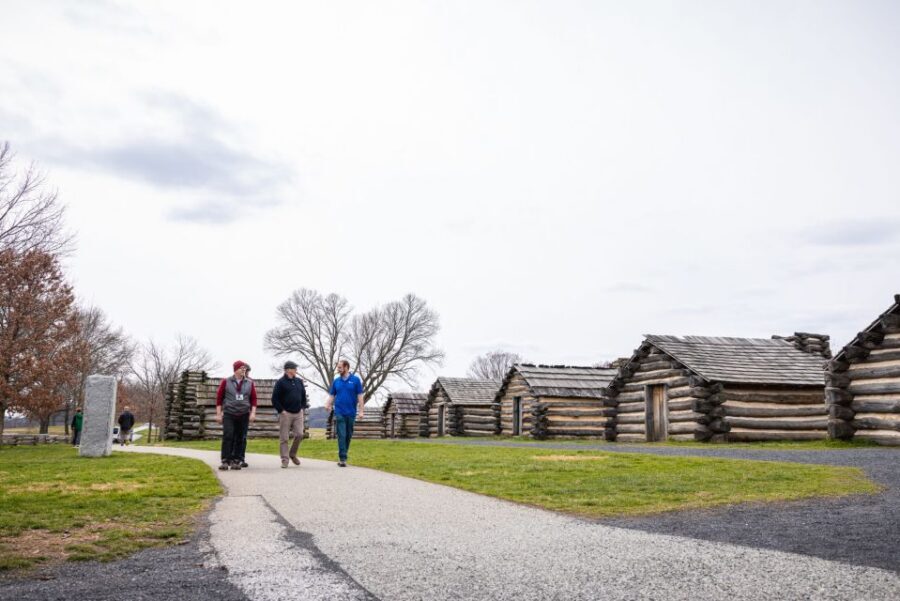
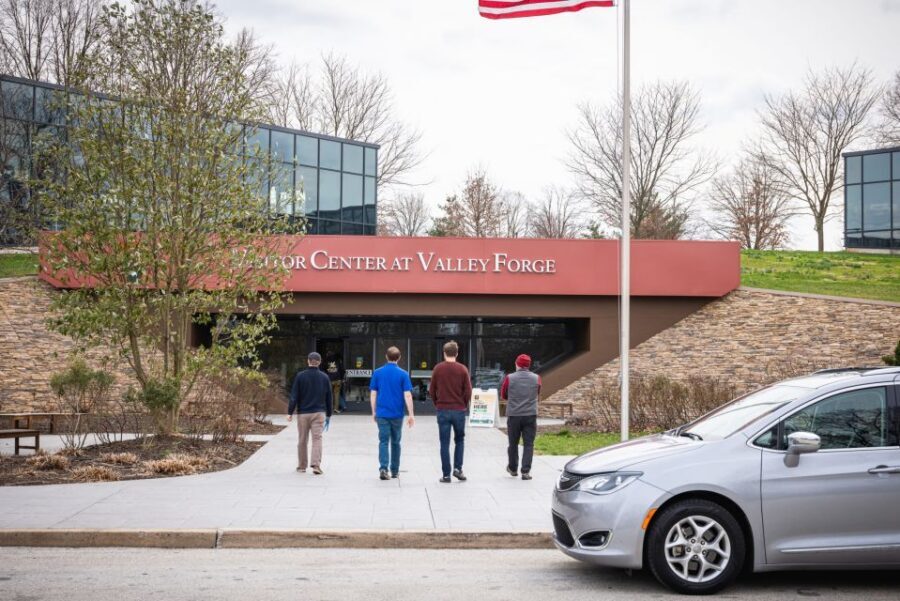
Before you wander the grounds, you visit the Valley Forge Visitor Center for a guided look at historic objects and artifacts. This is the moment where the trip gets grounded.
Even if you’ve read about Washington’s winter quarters, artifacts make it easier to grasp scale and stakes. You can point to real items or interpretive displays and then carry that understanding into the recreated structures you’ll see next.
The payoff here is simple: the visitor center gives you context, and the rest of the day becomes easier to follow.
Recreated cabins and the feel of winter quarters
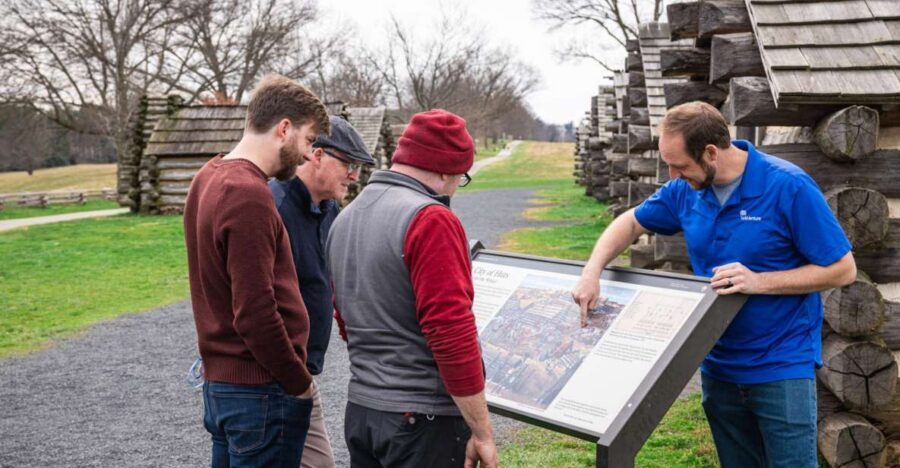
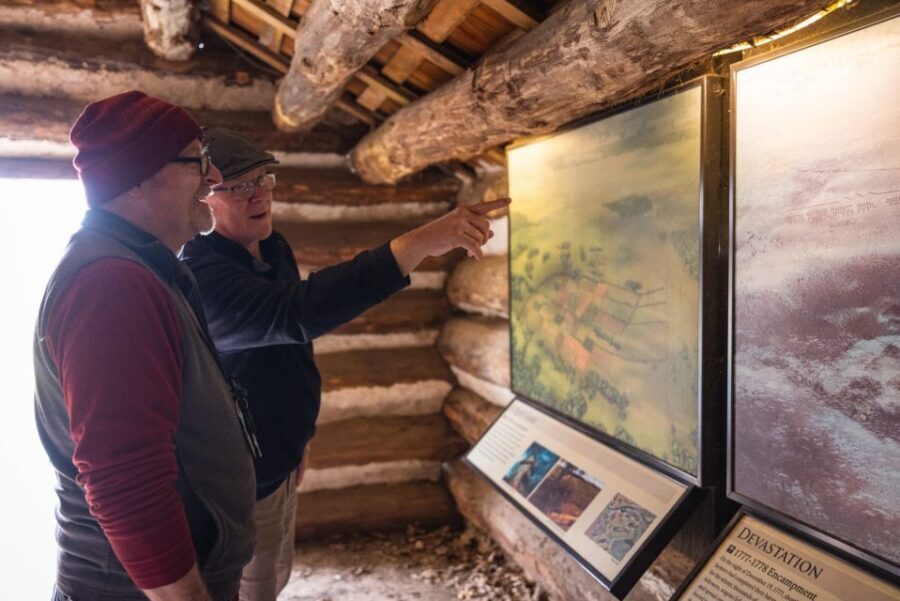
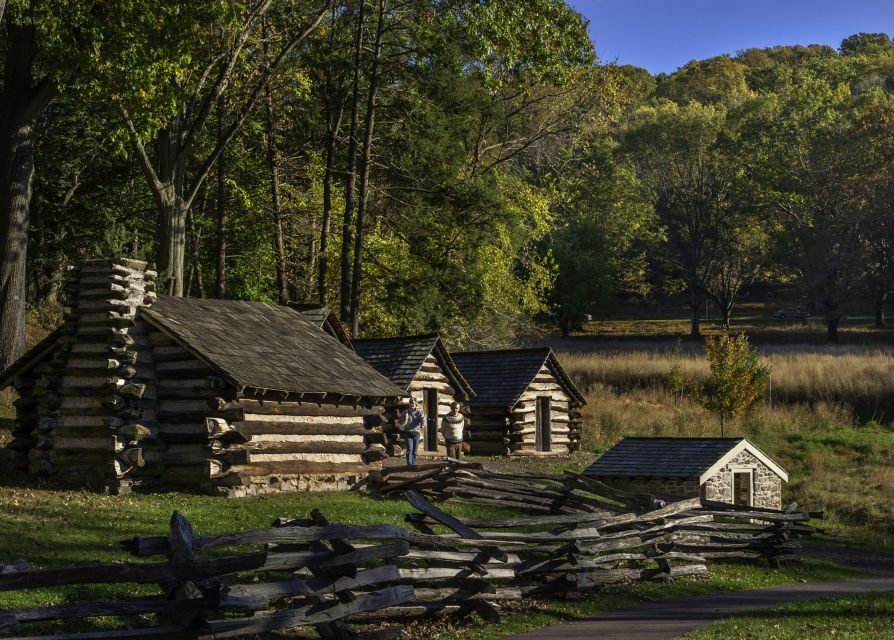
One of the strongest parts of the experience is the chance to explore the recreated soldiers’ cabins. These structures are designed to show what life might have looked like during the encampment, which helps you understand the daily hardship behind the famous story.
This is where the tour earns its emotion without turning gloomy. You learn what made the winter so punishing, and you also hear how the army adapted—how the men survived long enough to become more effective later.
If you like history that explains cause-and-effect, this stop is a big win. It’s hard to stay detached when you’re standing in spaces that represent what soldiers used to live in.
Other Valley Forge and area day trips we've reviewed in Philadelphia





Washington’s Headquarters and the National Memorial Arch: big landmarks, clear meaning
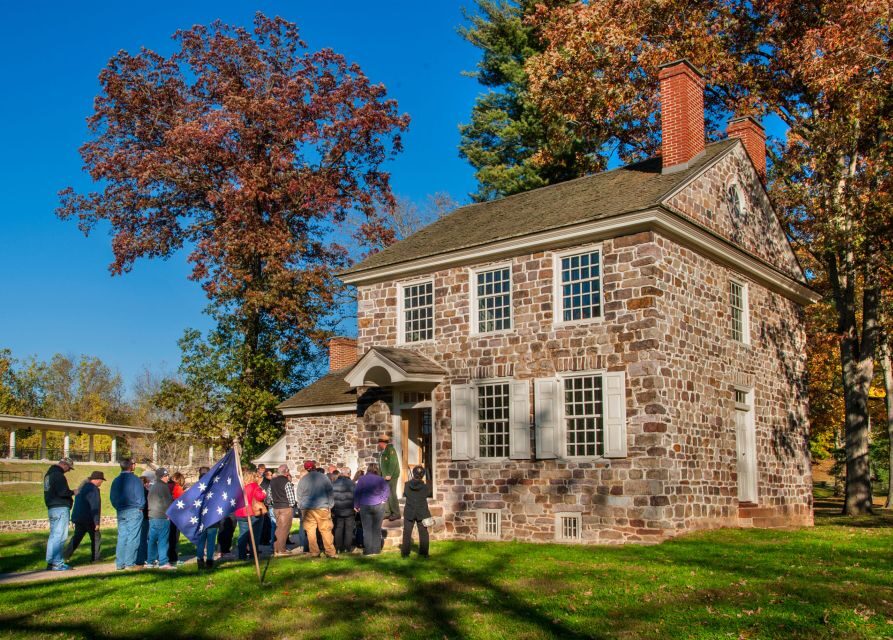
Washington’s headquarters are still along the Schuylkill River, and that matters. When a historic site is still in the real place where it happened, it changes the way your brain stores the information.
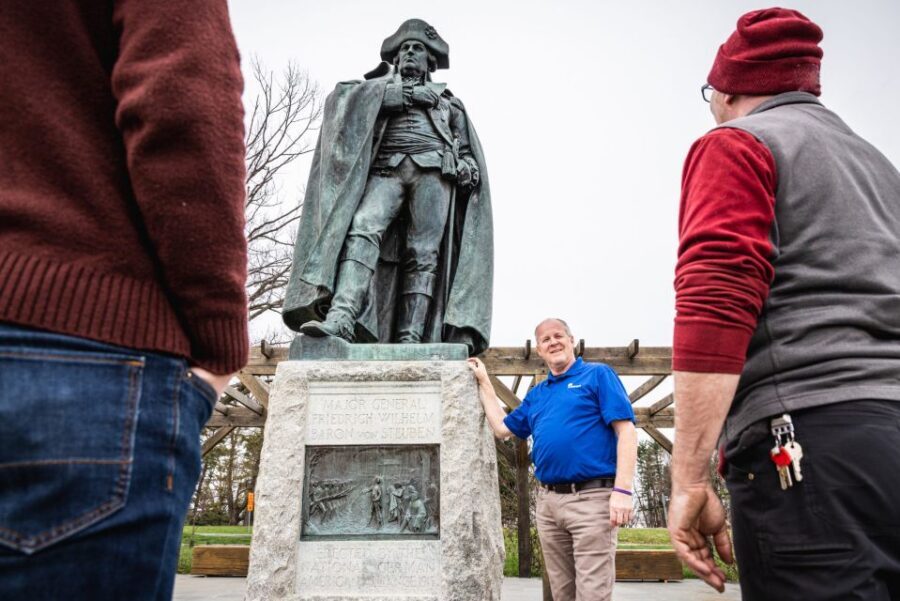
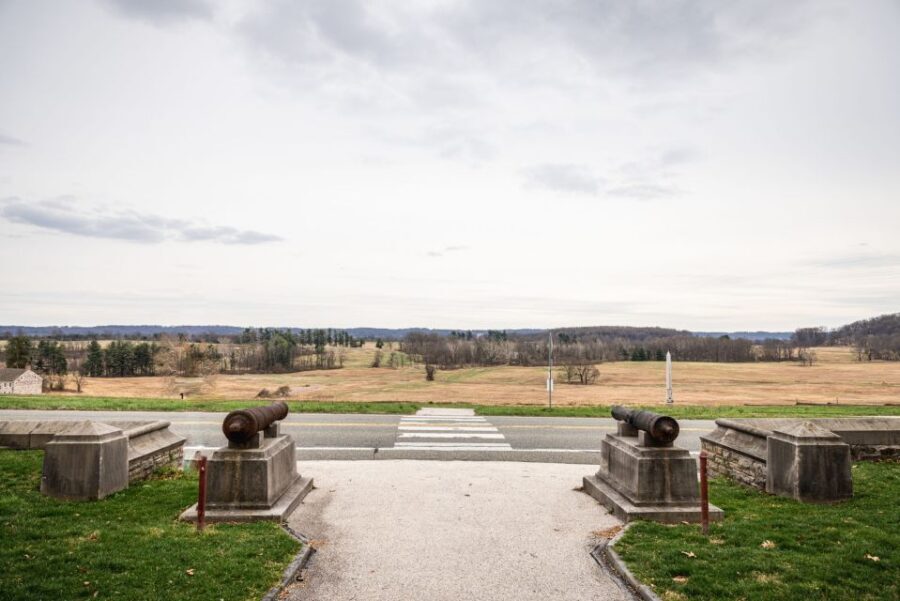
You’ll also see the National Memorial Arch, built to commemorate Washington and his army. The guide’s job is to connect the monument to the story—what it remembers, what it represents, and why this period continues to be taught.
One practical tip: slow down near major landmarks and let the guide finish their explanation. It’s easy to rush when the photos are tempting, but the meaning of the site shows up best when you stay with the narration for a minute.
Washington Memorial Chapel: when memory becomes a place
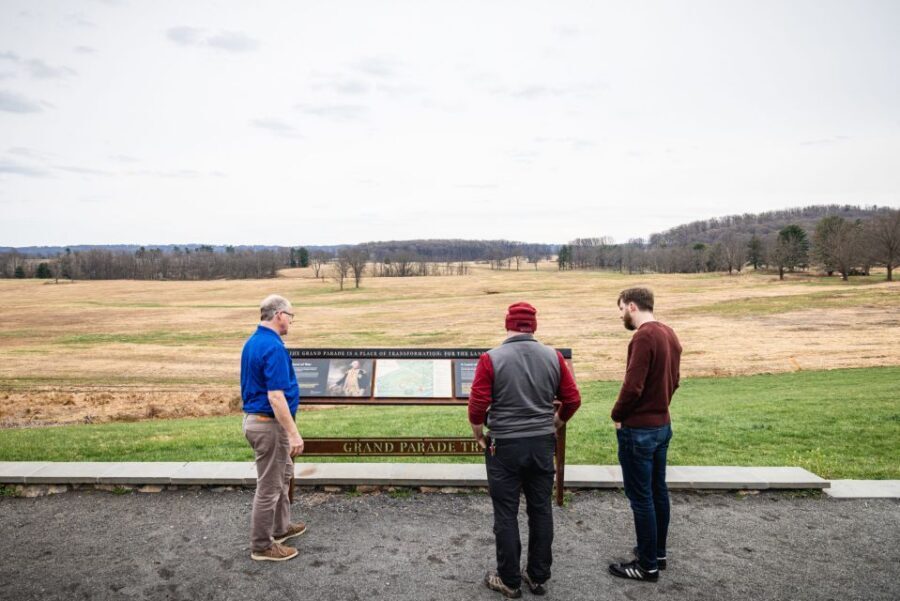
Later, you visit Washington Memorial Chapel, with time for a guided tour. This stop shifts the tone a little from buildings and huts into remembrance and reflection.
The chapel doesn’t just sit there as a static structure. It’s another way the site communicates what the encampment meant—both at the time and in how later generations chose to honor it.
If your goal is a balanced understanding of Valley Forge—hardship, strategy, and lasting impact—this is the kind of stop that helps tie those threads together.
Philander Chase Knox Estate: local history around the park
You also get a guided visit to the Philander Chase Knox Estate. This is a different angle than the encampment itself.
Instead of staying strictly with Washington’s winter quarters, you’re also shown how the area’s story extends beyond the camp—how local history overlaps with the Revolutionary era setting you’re focusing on.
This stop can be especially helpful if you’ve only seen Valley Forge as a Revolutionary War headline. It adds texture and helps you understand the region as more than a single event.
Commander in Chief’s Guard Huts: the “support system” part of the story
Another highlight is the Commander in Chief’s Guard Huts. These structures help explain security and organization—how Washington’s operations worked on the ground, not just in speeches or letters.
It’s easy to think of Valley Forge only as a story of suffering. The guard huts bring you back to logistics and structure, which is part of why the army could keep functioning.
When your guide explains how these spaces fit into the larger encampment, you start seeing the system behind the hardship. That’s a different kind of learning, and it sticks longer.
The guides make the difference: Dale, Adam, Marty, Tom, Owen
This tour leans hard on guide quality, and the names that come up most often in performance are Dale, Adam, Marty, Tom, and Owen. What stands out across them is a mix of preparation and story clarity.
You’ll notice it in how the day flows. People like Dale are described as organized and attentive, while guides such as Adam and Tom are praised for being pleasant, professional, and quick to answer questions. Marty is noted for bringing personality to tragic events, with explanations that go beyond the usual headline version.
Owen gets specific credit in the data for making the experience feel comfortable and welcoming—especially when the group size is small. That small-group setup is capped at 14, and sometimes it can feel even more personal when fewer people book.
If you’re someone who likes asking “why” questions—why this location, why this winter, why these decisions—you’ll likely feel well taken care of.
Rain or shine: how to dress and what to carry for a 4.5-hour outing
The tour runs rain or shine, and it’s a 4.5-hour half-day. Plan like this is an outdoor walk with stops, not a museum-only experience.
Wear shoes you can rely on on uneven ground, because you’ll move between several outdoor sites. Dress in layers so you’re not miserable if the weather flips mid-morning.
Since food and drinks aren’t included, pack water and a small snack you can eat when it makes sense. It’s an easy fix that lets you focus on the history instead of logistics.
Pace and who it’s best for (and who it may not be)
This is a great fit if you want a guided overview without committing to a full-day drive and self-planning. You’ll get context on the way out, guided visits inside key spots, and enough time to understand what you’re looking at without feeling rushed.
It also works well for history-focused families, since the group stays small and guides can adapt their pacing. The sites are spread out, but the tour structure helps you keep track of the story.
If you’re the type who wants long independent time in a single building, you might find 4.5 hours a bit tight. But if your goal is to see the most important Valley Forge features and leave with a clear understanding, this format is a solid match.
Should you book? My take on whether it’s a yes
Book it if you want Valley Forge to feel like a real place in the American Revolution, not just a map pin. The small-group size, roundtrip transportation, and strong guide-led storytelling are exactly what turn a short visit into real learning.
Skip or rethink it if you’re traveling with a strong need for extended free time. Also plan your own snack and water, since the tour doesn’t include them.
For $115, I’d call this a practical, value-heavy way to experience Washington’s winter encampment sites—especially if you like your history explained clearly and in a human tone.
FAQ
Where does the tour start and end?
The tour starts at 48 N 12th St (SW corner of 12th and Arch Streets), and you should look for the WeVenture Tours sign. It ends back at the same meeting point.
How long is the Valley Forge National Historical Park tour?
The duration is about 4.5 hours. Starting times vary, so you’ll want to check availability for the schedule.
What’s included in the price?
The price includes roundtrip transportation from Philadelphia, a live English tour guide, and a donation to Valley Forge National Park.
Is food or drinks included?
No. Food and drinks aren’t included, so plan to bring your own or handle it on your own.
Does the tour run in bad weather?
Yes. The tour runs rain or shine.
Is this tour wheelchair accessible?
Yes, the tour is listed as wheelchair accessible.
How big is the group?
The group is limited to 14 participants, keeping the tour small-group and guide-focused.