REVIEW · PHILADELPHIA
King of Prussia Indoor Skydiving with 2 Flights & Personalized Certificate
Book on Viator →Operated by iFLY Indoor Skydiving · Bookable on Viator
Free fall without the plane part? Yes, please. This iFLY King of Prussia setup gives you real indoor skydiving sensations in a safe wind tunnel, plus two focused, one-on-one flights that work well even if you’re brand-new. I also like that you leave with a personalized flight certificate, which makes the experience feel official, not just a quick thrill.
The main drawback to plan for: it can be noisy and busy, especially if you’re there when multiple groups are rotating through. That matters because the tunnel time is short (you’ll fly in 60-second bursts), so a crowded session can feel like more waiting than flying.
If you want a fun, learn-it-first adventure in Philadelphia that’s easy to scale from nervous-to-confident, this is one of the most straightforward ways to get there.
In This Review
- Key points to know before you go
- Indoor Free-Fall in King of Prussia: What the Wind Tunnel Actually Does
- Your 90-Minute Flow: Training, Gear, and Two Flights With an Instructor
- Two 60-Second Flights: How to Fly Calm, Stable, and Confident
- High vs Low Flight Choices and Motion-Sickness Reality Checks
- Value at $108.90: Is It Worth Paying for Two Flights?
- Safety and Who Should Skip: The Rules You Should Not Ignore
- Show Up Ready: Where It Is and What to Wear
- Should You Book This iFLY King of Prussia Indoor Skydiving Experience?
- FAQ
- What exactly happens during the indoor skydiving experience at iFLY King of Prussia?
- How long are the flights in the wind tunnel?
- Do I need previous skydiving experience?
- Will I fly alone or with others?
- What should I wear to the session?
- Are there age limits?
- Are there weight restrictions?
- Can I fly if I have injuries, or if I’m pregnant?
Key points to know before you go
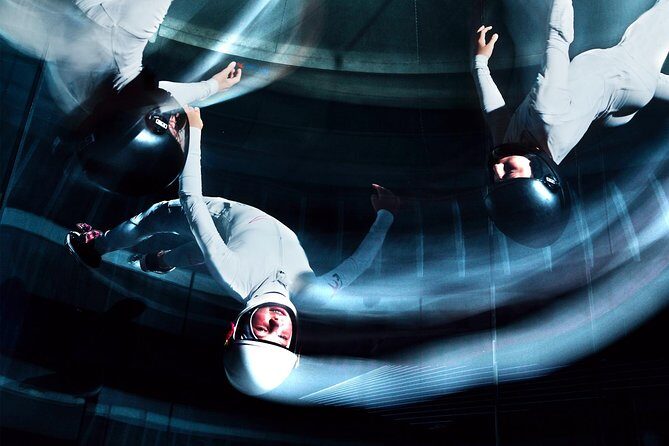
- Two one-on-one flights: you’re coached directly as you learn body position for stable flight
- Training first, then flying: you don’t just jump in cold; you practice your free-fall posture
- 60-second flight windows: the thrills come in quick, memorable bursts
- Gear and coaching are included: you show up, get fitted, and fly with a certified instructor
- Good for first-timers: the tunnel feels like falling, but without the door, jump, or parachute stress
Indoor Free-Fall in King of Prussia: What the Wind Tunnel Actually Does
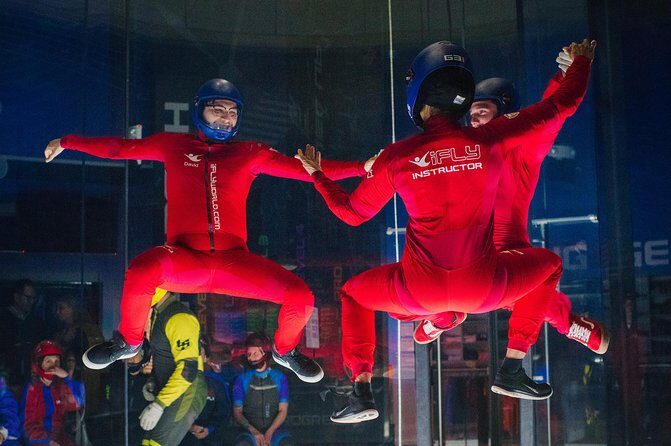
This experience centers on a vertical wind tunnel, basically a giant column of controlled air that can lift and hold you in place. Fans at the top pull air up, then push it back down the sides, creating a steady stream strong enough for you to float. The result is the closest thing to skydiving you can do without boarding a plane.
For your nervous system, that’s a big deal. You still get that wind-in-your-face sensation and the adrenaline spike of being suspended in the air. But you’re not dealing with parachutes, jumping out, or the chaos of an open-air exit. You’re learning how your body position affects stability, while your instructor stays close the whole time.
Because it’s an air column, you can think of it like motion you can practice. You’ll be guided to move your arms and legs into the right shape so the airflow can do its job. And if you’ve ever watched other people fly in a tunnel, you’ll quickly notice that the differences come down to simple posture adjustments—so the coaching really matters here.
Other Valley Forge and area day trips we've reviewed in Philadelphia


Your 90-Minute Flow: Training, Gear, and Two Flights With an Instructor
Plan for about 1 hour 15 minutes to around 1.5 hours total from your arrival to the end of the activity. The schedule moves fast once you check in, because the tunnel is running with up to 12 people in a session, and everyone takes turns.
Here’s the rhythm you should expect:
1) Check in and get fitted
You’ll be provided gear and a flight suit, and the staff will set you up so the instructor can spot you safely by grabbing the suit handles if needed. If you wear glasses, larger goggles are available to fit over them.
2) Required training session
Before you fly for real, you’ll get instruction and practice. This is the part that helps first-timers relax. The goal is simple: learn what to do with your body in the airflow, then apply it in your flights.
3) Two one-on-one flights
You fly one at a time in the chamber with your certified instructor. Even though the group may watch and cheer, your “real time” is focused and personal. The tour includes two flights for one person, so you’re not stuck with a single attempt.
The big value in this format is repetition. You do the skills, then you go back for another shot with coaching while your body remembers the feel of the air.
Two 60-Second Flights: How to Fly Calm, Stable, and Confident
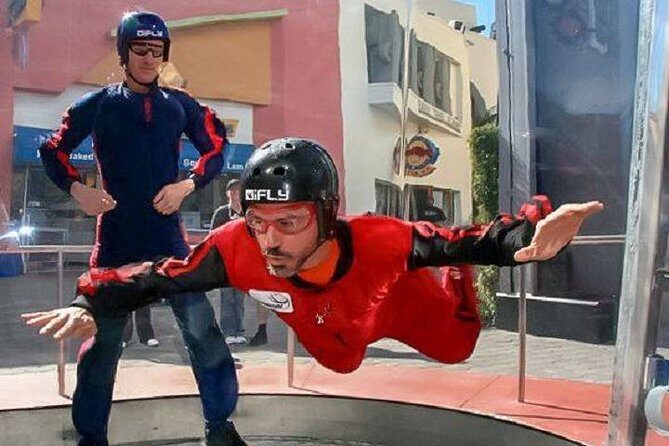
Each flight window is about 60 seconds. That sounds short, but it’s long enough to feel the wind, learn the position, and get a moment where things click.
Your success won’t come from being a daredevil. It will come from doing the basics the instructor teaches:
- Keep your body in the right alignment so the airflow can lift you comfortably
- Use your arms and legs the way your instructor cues
- Breathe normally (you’ll feel air movement, but it’s not described as hard to breathe)
One good sign for you: this is built for people who have never done anything like it. The facility runs training so you understand what stable flight feels like. And you can usually learn quickly because the tunnel is consistent—unlike jumping from a plane, where wind and timing add variables.
Also, instructors really matter to your comfort level. In the past, instructors like Craig have been described as an awesome teacher, and Cameron has earned trust from a solo flyer because the instruction felt informative and confidence-building. If your instructor’s style helps you stay relaxed, your flight will feel much more fun than scary.
High vs Low Flight Choices and Motion-Sickness Reality Checks
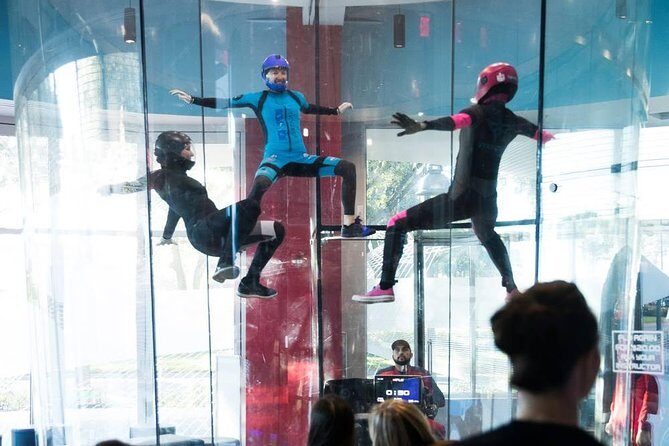
You’ll want to think about motion sickness, not in a dramatic way—just practically. The session can include options people may refer to as higher or lower flights. If you’re the type who gets motion sick, a wise approach is to choose the steadier option or ask for guidance on staying comfortable.
Here’s the practical takeaway:
- If you don’t get motion sick, you might enjoy being given the chance to fly higher
- If you do get motion sick, you can often be fine by staying lower and focusing on your body position and breathing
Either way, the win is the same: you’ll still get the thrill of controlled free fall for 60 seconds at a time, and you’ll still get coaching to help you enjoy it.
Value at $108.90: Is It Worth Paying for Two Flights?
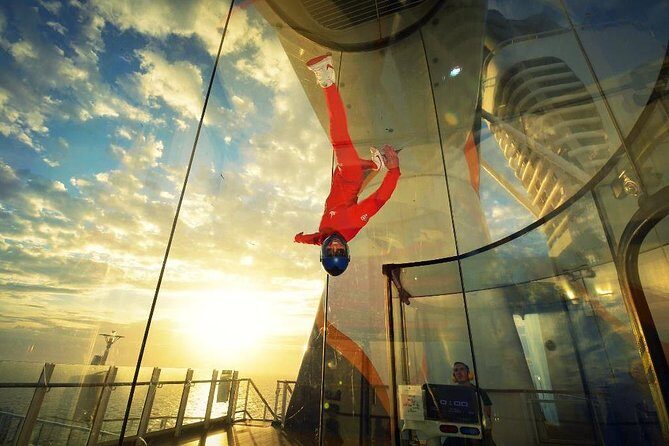
At $108.90 per person, the value depends on what you want: a one-time adrenaline hit, or a guided intro that actually teaches you something.
Here’s what you get that justifies the price:
- Two flights instead of one, so you have a second chance right away
- Training and gear included, which removes the “hidden costs” problem
- One-on-one coaching from a certified flight instructor
- A certificate of flight achievement (personalized)
When an activity includes both instruction and repeat attempts, it feels less like you paid for time in a machine and more like you paid for learning the experience. The personalized certificate is also a small but real motivator. It turns your flight into a souvenir you can show, not just a memory.
One more value point: the facility can handle up to 12 people per session. You’ll watch others from the observation area, but your own flight time is one-on-one. That means your money is tied to your time, not a big group “tour” where you mostly wait.





Safety and Who Should Skip: The Rules You Should Not Ignore
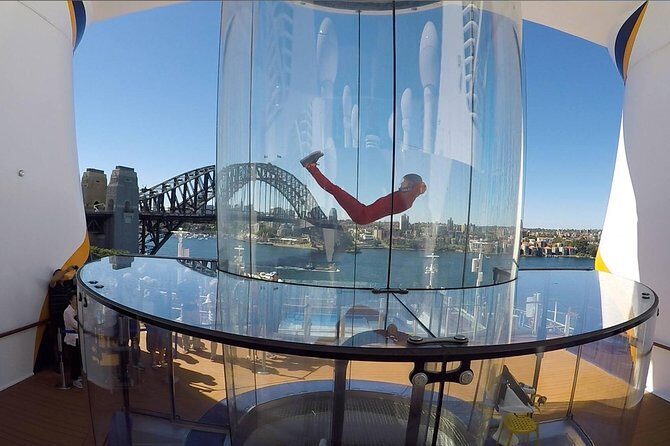
This is a thrill activity, but the safety rules are clear. Don’t treat them as paperwork—treat them as a real guide to whether you’ll be able to fly safely.
You won’t be able to fly if you have:
- Previous neck, back, heart injuries
- Shoulder dislocations
- Pregnancy
- A hard cast
There are also weight restrictions. Participants must be under 300 pounds. If you fall between 260–300 lbs, the staff will evaluate your reservation at check-in to see if you can be accommodated. Anyone over 300 lbs won’t be able to fly.
Minimum age is 3 years. If a child is under 18, a parent or guardian must sign the waiver. If you have physical or cognitive challenges and want to fly, the location can arrange a certified instructor for people with All Abilities guidance—so it’s worth contacting them directly.
If you’re unsure, I’d use the rule of thumb: if any listed condition applies, don’t gamble with it. This isn’t a “push through and see” activity.
Show Up Ready: Where It Is and What to Wear
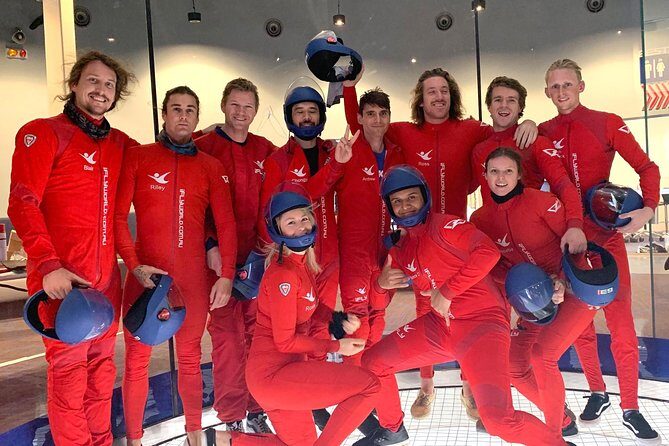
You’ll meet at 290 Goddard Blvd, King of Prussia, PA 19406. Arrive on time—your experience starts promptly. It’s smart to show up 10–15 minutes early so you can check in, get fitted, and get through the session flow without stress.
What to wear:
- Well-fitting lace-up sneakers or running shoes
- Comfortable clothes, preferably pants and a shirt without a collar
- Expect to wear the flight suit over your clothing
What to remove before you fly:
- Jewelry or anything that could flap or come loose (rings, earrings, necklaces, bracelets, watches, hair accessories)
- Empty pockets, too—small items don’t belong near a tight flight fit
Lockers are available, but it’s still best to leave valuables at home.
Long hair tip: braid it and keep it in a low bun. That kind of detail matters in a wind tunnel because you don’t want your hair or accessories whipping around while you’re learning.
Food and drinks aren’t included, so if you need a snack or a plan for after, bring your own or plan stops nearby. Also, hotel pickup and drop-off aren’t part of the package—so you’ll handle your own arrival.
Should You Book This iFLY King of Prussia Indoor Skydiving Experience?
I’d book it if you want:
- A first-time-friendly thrill with training and coaching
- Two chances to get it right in the tunnel
- A structured experience that ends with a personalized certificate
I’d hesitate if:
- You’re very sensitive to noise or crowds and need a quiet environment
- You’re on the fence about whether your physical situation might trigger safety restrictions
- You’re expecting “10 minutes of constant flying”—your flight time is 60 seconds per flight, and that’s intentional
If you’re deciding between this and a more extreme skydiving option, treat this as the smart stepping stone. It gives you the feel of free fall and lets you learn how to control your body in airflow without the jump-out-of-a-plane pressure.
Book soon if you can. This experience is commonly reserved ahead (around two to three weeks on average), and sessions run in a tight schedule because each flight slot depends on rotations.
If you want a fun, learn-by-doing adventure near Philadelphia that’s easy to understand and hard to forget, this is a solid yes—especially if it’s your first time chasing that skydiving feeling.
FAQ
What exactly happens during the indoor skydiving experience at iFLY King of Prussia?
You’ll go through a training session first, then experience free-fall conditions in a vertical wind tunnel with a certified instructor. You’ll fly in the chamber without jumping out of an airplane.
How long are the flights in the wind tunnel?
Each flight within the wind tunnel lasts about 60 seconds.
Do I need previous skydiving experience?
No experience is necessary. A training class is required for first-time flyers so you can practice the flying position.
Will I fly alone or with others?
You’ll be part of a group (up to 12 travelers per session), but you fly one at a time in the flight chamber in a one-on-one setup with your instructor.
What should I wear to the session?
Wear well-fitting, lace-up sneakers or running shoes and comfortable clothes. The flight suit is worn over your clothing, so avoid clothing that doesn’t fit well or has anything loose that could flap.
Are there age limits?
Minimum age is 3 years. Children under 18 must have a parent or guardian sign their waiver.
Are there weight restrictions?
Yes. Participants must weigh less than 300 lbs. Those between 260 and 300 lbs may require additional evaluation by local staff at check-in, and some restrictions may apply.
Can I fly if I have injuries, or if I’m pregnant?
No. People with prior neck/back/heart injuries, shoulder dislocations, pregnancy, or wearing a hard cast will not be able to fly.