REVIEW · PHILADELPHIA
True Crime Philadelphia and History Tour
Book on Viator →Operated by Grim Philly Twilight Tours · Bookable on Viator
Crime and history walk together in Philly.
This tour blends true-crime storytelling with famous Old City stops, so the streets feel like a living timeline. I love the way it pairs serial-killer lore with the real people and places that shaped the city.
The big plus for me is the small-group feel, where the guide can slow down at key spots like Christ Church and Franklin’s grave instead of rushing you along.
One thing to consider: the material is adult, and children should go with an adult (Saturdays are adults only).
In This Review
- Key Things You’ll Notice on This Tour
- A Small-Group True-Crime Walk Through Old City
- Price and Time: What $44 Buys You
- Meeting Point and the 2:00 PM Rhythm
- What the Group Size Does for You
- Betsy Ross House: Where the Tour Sets Its Tone
- Franklin’s Grave: The Founding Figure Gets a Dark Neighbor
- Independence Hall: The Constitution Moment in the Middle of the Story
- Elfreth’s Alley: A Street That Holds Stories in Every Brick
- Christ Church: Landmarks, Scandals, and the City’s Shadows
- Arch Street Meeting House: Where Civic Life and Tension Feel Connected
- Original White House: Presidents, Power, and a Different Kind of Darkness
- Christ Church Burial Ground: Signers, Tombs, and the Most Personal Stop
- The True-Crime Angle: How the Stories Feel on the Ground
- Comfort, Timing, and What to Bring
- Who This Tour Is Best For
- Should You Book This True Crime Philadelphia and History Tour?
- FAQ
- How much does the True Crime Philadelphia and History Tour cost?
- How long is the tour?
- Where does the tour start and when?
- Where does the tour end?
- What landmarks are included?
- Are admissions included for the stops?
- Is the tour family friendly?
- Can I cancel for a refund?
Key Things You’ll Notice on This Tour
- True crime meets landmark history: Old City sites are paired with serial-killer stories (from H.H. Holmes to the Frankfort Slasher).
- Tight group size: up to 30 people, so it feels more like a guided walk than a crowded bus stop.
- History-teacher style guiding: you’ll hear from guides described as college professors or history teachers, with a chatty teaching tone.
- Ben Franklin’s story is more than dates: you’ll stop at his grave and tie it to the area’s deeper past.
- Christ Church Burial Ground is a highlight: the guide focuses on the tombs of key signers, including Franklin.
- Ends with a complimentary beverage: wrap up in Old City at a cultural tavern for a drink or sampling.
A Small-Group True-Crime Walk Through Old City
If you like your city stories with a little bite, this Philadelphia history tour delivers. It’s not just “where things happened.” It’s how those places got their reputations, built their myths, and attracted both reformers and monsters.
I like that the tour doesn’t treat the crime stories as random shock value. The guide works them into the setting you’re standing in—brick by brick, grave by grave—so you’re always anchored to a real location. And you’ll usually get that extra human touch from guides known for comedy and lively pacing, including names like Ted and Joseph, who came across as fast, funny, and sharp at connecting history to what you can see.
The walking is manageable for most people, and the route is built around clusters of famous sights. It also helps that the group is capped at 30, so you’re less likely to feel like a number in the crowd.
Other historical tours in Philadelphia

Price and Time: What $44 Buys You
At $44 per person for about 2 hours 30 minutes, you’re buying a structured route plus a guide who’s doing two jobs: historian and storyteller. That matters, because the real value here isn’t the buildings alone—it’s the way the guide explains why these sites became the backdrop for so many dark and dramatic episodes.
You also get practical touches that help the cost feel fair. Several major stops list admission as free in the tour notes, and the walk finishes with a complimentary beverage. Food isn’t included, so you’ll still want to plan a meal before or after, but the drink at the end is a nice bonus.
In real terms, this is a good choice if:
- you want to see several top Old City landmarks without juggling multiple tickets or tours
- you enjoy history that doesn’t stay polite and dry
- you want a guided story arc instead of wandering solo
Meeting Point and the 2:00 PM Rhythm

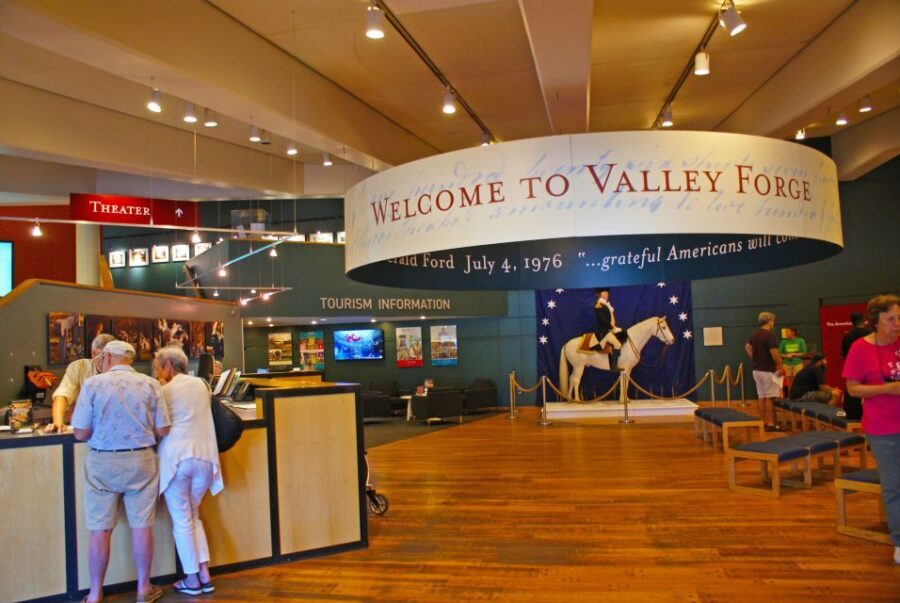
The tour starts at Independence Visitor Center, 599 Market St, with a 2:00 pm start time. It ends in Old City, at a cultural tavern where you’ll receive a complimentary beverage or sampling.
This matters because Old City can feel spread out if you’re walking on your own. Here, the route is designed so you’re moving through a tight historic zone. Reviews also hint that it doesn’t always loop back exactly where you began, so plan on finishing in Old City rather than expecting a perfect return to the meeting door.
You’ll want to dress for the weather. The tour notes it requires good weather, and if it’s canceled for weather, you’ll be offered another date or a full refund.
What the Group Size Does for You
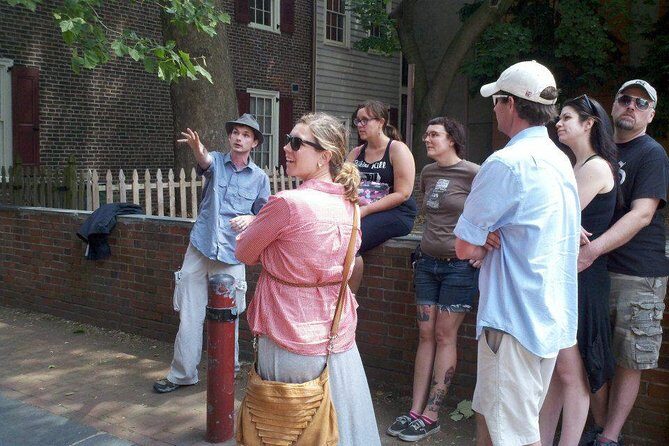
With a maximum of 30 travelers, this tour is small enough for the guide to manage the flow and keep the story readable. You’re not trying to hear over a wall of voices. You also get better “stop-and-explain” moments at sensitive or detailed locations, especially places connected to burials and famous people.
That group cap also helps with pacing. Even with a brisk lecture style at times, it’s still a walking tour that pauses enough for context. Expect a mix of quick movement and short stops where the guide ties the history to the crime stories happening in the same neighborhood.
Betsy Ross House: Where the Tour Sets Its Tone
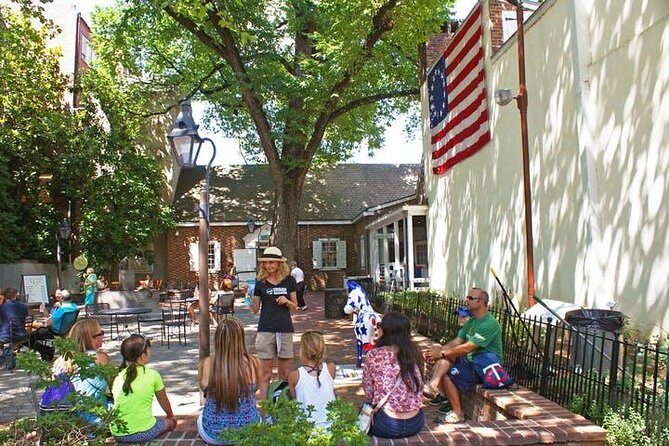
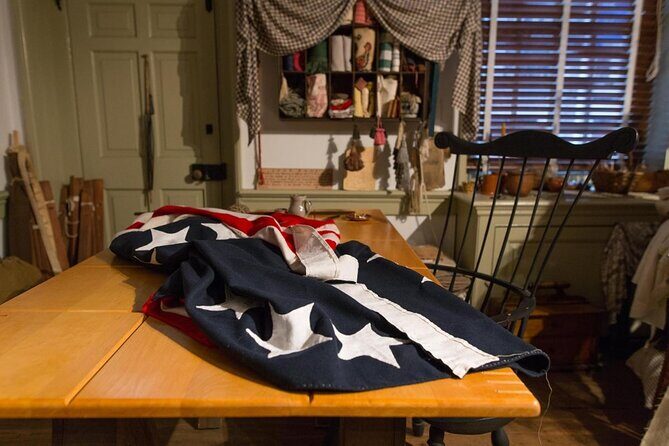
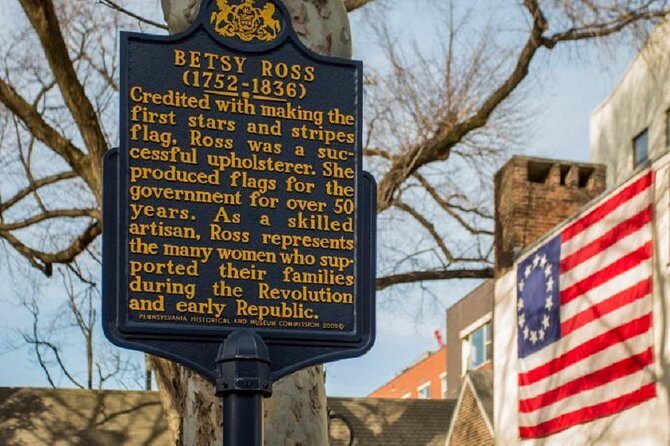
The walk begins at Betsy Ross House, an Old City landmark tied to early American identity. What makes this first stop work is the contrast: you start with a symbol of founding-era stories, and then the guide’s tone shifts into the darker “how can a place like this hold both” kind of narrative.
Here’s the practical advantage for you: the tour uses Betsy Ross House to orient you. You’re establishing the geography of Old City, then layering in the idea that Philadelphia’s streets have always been full of people, pressures, and secrets—some heroic, some horrifying.
It’s also a good start if you’re a little new to Philly. Even if you’ve seen the big headline sites before, the guide’s framing helps you understand how the early streets and neighborhoods created a stage for later events.



Franklin’s Grave: The Founding Figure Gets a Dark Neighbor
From there, you’ll move to Benjamin Franklin’s Grave, including time at the area where you can connect Franklin’s legacy to the surrounding landscape. This stop is less about reenacting a famous portrait and more about showing how history lives in physical places.
The guide threads the story toward crime and psychology, naming infamous Philadelphia-linked figures such as H.H. Holmes and other notorious names from the area’s true-crime lore. The point isn’t to turn Franklin into part of a horror story—it’s to show how the city’s identity kept evolving, and how later eras brought different kinds of danger.
One possible drawback of this kind of start: if you’re sensitive to adult crime themes, this tour wastes no time. It’s not a slow warm-up. The upside is that if you’re the right audience, it keeps the energy high from minute one.
Independence Hall: The Constitution Moment in the Middle of the Story
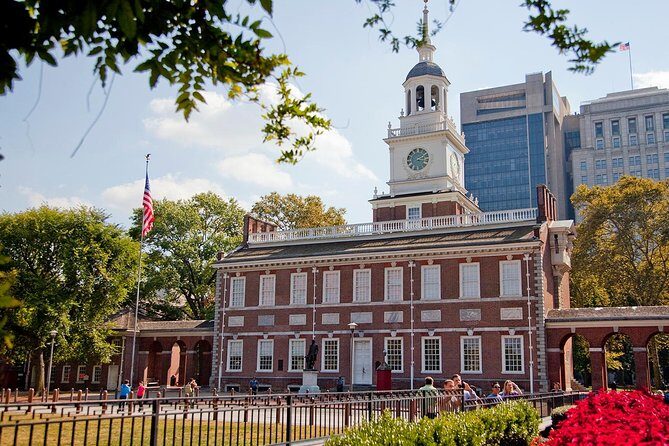
Midway through, the tour hits Independence Hall, tied to the signing of the Constitution of the United States. This stop acts like a dramatic reset. You shift from the personal and creepy to the institutional and world-changing.
For me, that contrast is what makes the tour feel different from a standard true-crime walk. You don’t just hear about crimes; you see how the same city that hosted foundational debates later faced crimes, rumors, and social tensions. Independence Hall gives your mental map a bigger context—Philadelphia as both birthplace and cautionary tale.
This is also where the “history taught by a teacher” style becomes clear. The guide tends to explain what you’re looking at in plain language, rather than expecting you to already know the timeline.
Elfreth’s Alley: A Street That Holds Stories in Every Brick
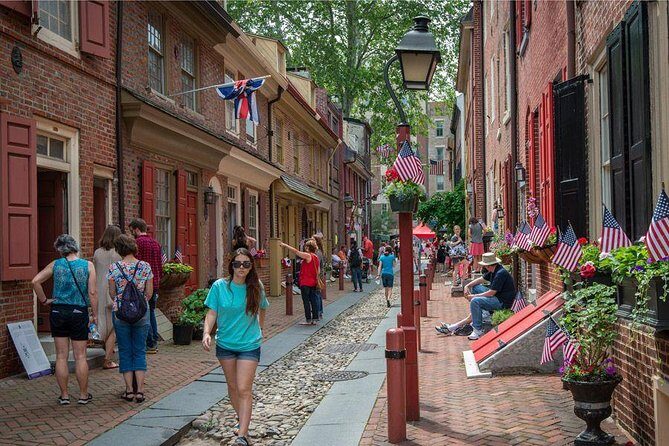
Next is Elfreth’s Alley, the famous historic street that makes Philadelphia feel like a film set. The benefit of doing Elfreth’s Alley during a guided tour is timing and framing. Stand there without context and you get photos. With the guide, you get the layer of why the street mattered, who lived nearby, and how neighborhoods shaped the city’s reputation over time.
You also keep the tour’s true-crime thread moving. The guide uses the street to connect “ordinary daily life” with the fact that crime, panic, and fear always have a human setting. It’s less about jump scares and more about making you think about how people move through streets when something feels off.
If you like walking tours where the guide slows down at the best viewing points, this is one of those stops.
Christ Church: Landmarks, Scandals, and the City’s Shadows
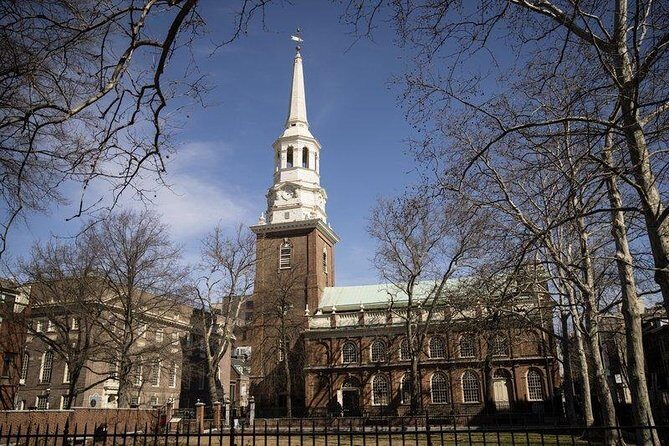
Then you reach Christ Church, another key Old City landmark. This stop is often a favorite because it sits at a crossroads of architectural grandeur and stories with edge. The guide uses the setting to talk about Philadelphia’s dark past as something tied to institutions, not just random villains.
You’ll hear serial killer tales alongside historic context, with names like the Corpse Collector and other infamous figures mentioned as part of the area’s grim storytelling tradition. The tour handles the mix best when you let it be a contrast lesson: how communities celebrated order and faith while still dealing with chaos.
Keep an eye on the tone. Some guides use humor heavily, and that can make the heavy subject easier to stomach. It can also be distracting if you want purely solemn history.
Arch Street Meeting House: Where Civic Life and Tension Feel Connected
You’ll also stop at the Arch Street Meeting House. This is a strong “in-between” location because it’s tied to community and belief systems, which often show up in the guide’s explanations of why certain crimes and tensions took hold.
Expect more than a building description. The guide usually links the local culture and conflicts to how people lived, gathered, and responded to fear. One review-style theme that fits this stop: the storytelling sometimes expands from crime into riots, religious conflict, and unsolved mysteries, helping you see Philadelphia as a city of repeating pressures.
If you like your history with cause-and-effect, this stop helps the tour feel more than random scare stories.
Original White House: Presidents, Power, and a Different Kind of Darkness
At some point, the tour includes the Original White House, connected to George Washington and John Adams during their presidencies. This is where the tour broadens from “crime neighborhood” to “power and authority.”
For you, this works because it changes the type of story you’re hearing. You get to compare how people saw leadership and legitimacy at the nation’s early center, then how later eras dealt with crime, corruption, or fear.
Even if you’ve heard Washington and Adams stories before, doing it on this route gives it extra texture, because the guide doesn’t let you treat the early republic as separate from later problems. It’s all the same city—different chapters, same streets.
Christ Church Burial Ground: Signers, Tombs, and the Most Personal Stop
The tour ends with one of its most haunting parts: Christ Church Burial Ground. This stop focuses on the tombs of key figures connected to American independence and the founding—including Benjamin Franklin—and the guide uses the cemetery space to make the history feel human.
This is where the tour’s “teacher” style often shines. Burial ground stops can turn into a checklist, but here the guide tends to tie the names to meaning. It’s also where humor can be toned to match the setting, at least enough that you feel you’re honoring what’s in front of you rather than just using it as scenery.
If you’re a macabre-history fan, this is the spot you’ll remember. If you’re not, it still gives the tour a grounding in real people rather than only infamous criminals.
The True-Crime Angle: How the Stories Feel on the Ground
The tour’s identity is the mix: “serial killer tales” alongside “historic sightseeing.” In practice, that means you’re hearing about notorious names and grim episodes as part of Philadelphia’s story—not as an isolated genre.
From what you’ll hear, the guide often uses:
- serial killer lore (examples named include H.H. Holmes and local figures like the Frankfort Slasher)
- psychological explanations and the human mess behind fear
- local themes like riots, unsolved murders, and old religious conflicts
The style can be funny. Guides like Ted and Joseph have been described as making the stories engaging and even humorous without losing the edge. That humor is a real factor for your experience. If you enjoy dark storytelling with a wink, you’ll probably have a great time. If you want horror that’s strictly serious, you may find parts of it a little too playful.
Comfort, Timing, and What to Bring
This is a walking tour, so comfortable shoes are a must. You’re not doing a long hike, but you will be on your feet for multiple stops and listening in between.
A review-style detail that helps you plan: one person described the walk as probably less than one mile, though that doesn’t mean it’s effortless. Short distances still add up when you’re stopping frequently, going in and out of sight lines, and staying close to the group.
Also note:
- Food and drinks aren’t included, so plan a snack if you need one.
- A complimentary beverage comes at the end, which is perfect for decompressing after the last story.
Who This Tour Is Best For
You’ll likely love this if:
- you want to combine Old City landmarks with true-crime storytelling
- you like guides who talk like teachers, with humor and clear explanations
- you’re traveling with a history-minded partner, teen (with adult guidance), or a group that enjoys the darker side of past events
You might skip it if:
- you want a kid-friendly tour with no adult content
- you prefer history that avoids crime themes entirely
- you want a slow, quiet, strictly architectural tour
One more audience note: the tour says most travelers can participate, but children should be accompanied by an adult due to adult content, and Saturdays are adults only.
Should You Book This True Crime Philadelphia and History Tour?
I’d book it if your idea of a great Philadelphia day is mixing the famous landmarks with the stories that make history feel real. The route hits major names—Betsy Ross House, Christ Church, Elfreth’s Alley, Franklin’s grave area, Independence Hall, and Christ Church Burial Ground—so you get a lot of “I’ll remember this” moments in just a couple hours.
It’s also a smart pick for value: $44 is reasonable when you get a guide-led route, free-admission notes for several stops, and a complimentary drink at the finish. And the small-group size makes it easier to actually hear the explanations.
But if adult crime themes will make you uncomfortable, treat that as a real factor. This isn’t a light theme-park version of true crime. It’s Philadelphia history told with an edge.
If you’re the kind of person who likes your sightseeing with story, and you don’t mind the creepy parts, this tour is a strong match.
FAQ
How much does the True Crime Philadelphia and History Tour cost?
It costs $44.00 per person.
How long is the tour?
The tour runs about 2 hours 30 minutes (approx.).
Where does the tour start and when?
It starts at Independence Visitor Center, 599 Market St, Philadelphia, PA 19106 at 2:00 pm.
Where does the tour end?
It ends in Old City, Philadelphia, at a cultural tavern location for a complimentary beverage or sampling.
What landmarks are included?
The tour includes stops at Betsy Ross House, Benjamin Franklin’s Grave, Elfreth’s Alley, Christ Church, Arch Street Meeting House, Independence Hall, Original White House, and Christ Church Burial Ground.
Are admissions included for the stops?
The tour notes admission ticket free for the listed stops such as Betsy Ross House, Benjamin Franklin’s Grave, Elfreth’s Alley, Christ Church, Arch Street Meeting House, and Christ Church Burial Ground.
Is the tour family friendly?
The tour says children should be accompanied by an adult due to adult content, and Saturdays are adults only.
Can I cancel for a refund?
Yes. You can cancel up to 24 hours in advance for a full refund. If you cancel less than 24 hours before the start time, it won’t be refunded.