REVIEW · PHILADELPHIA
Independence Seaport Museum Admission
Book on Viator →Operated by Independence Seaport Museum · Bookable on Viator
Two ships, one walk, lots of naval stories. I like this visit because you get up-close access to Cruiser Olympia and then a museum that actually helps you understand what ships meant to Philadelphia and the wider world. My other favorite part is the working boat-building area where you can watch wooden-boat builders at work, not just look at models. One heads-up: if you want to see the submarine Becuna, you’ll likely need to buy a guided-tour add-on on-site.
You’ll move through ladders, hatches, and gangways aboard the historic vessels, then spread out across two museum floors. It’s also family-friendly, with hands-on-style exhibits that keep kids interested without turning the place into a cartoon. Just know that the ship experience involves stairs and uneven access on the vessels, so plan for a moderate fitness level.
Even with no plans to do anything fancy, this feels like a real day in the Philadelphia waterfront world. Dress for the weather since the ships may close during extreme conditions like snow, ice, or very hot days.
In This Review
- Key highlights worth planning for
- How this museum visit feels in real time
- Cruiser Olympia: the 1892 steel warship that hits you fast
- Submarine Becuna: WWII and Cold War bravery (with a catch)
- Inside the museum: exhibits that explain why ships mattered
- The Workshop on the Water: when history becomes hands-on
- Timing: how long you need for Olympia plus everything else
- Weather and ship closures: the day can change fast
- Who this is best for
- Price and value: what your $20 really buys
- Tips to make the visit smoother
- Should you book this Independence Seaport Museum visit?
- FAQ
- What is included with the $20 admission ticket?
- Is the submarine Becuna included in the ticket price?
- How long should I plan for the visit?
- What are the museum and ship highlights?
- Are the ships wheelchair accessible?
- What should I wear or prepare for?
- Can children visit?
- Is parking included in the ticket price?
- What if I need to cancel?
Key highlights worth planning for
- Cruiser Olympia (1892): the world’s oldest floating steel warship and the only surviving naval ship from the Spanish-American War
- Admiral Dewey’s flagship connection: Olympia was tied to the Battle of Manila Bay
- Becuna (1944 submarine): wartime patrols plus later service through multiple Cold War eras (guided tour is an add-on)
- Two floors of exhibits: including Delaware disasters, African presence on the Delaware, and Titanic Philadelphians
- Workshop on the Water: watch wooden boat builders working on real projects inside the museum
How this museum visit feels in real time
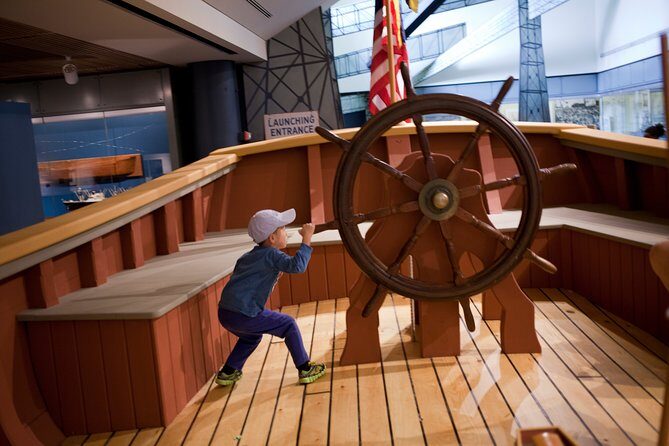
This isn’t a quick “see a boat and leave” stop. The best version of the day is: start with Cruiser Olympia, then take your time across both museum floors, and finally circle back if you want to re-check details aboard the ship.
The rhythm is simple. You walk, you read, and you look closely at how people actually moved around a ship. Because the exhibits and vessels cover different eras, the visit works even if your group disagrees on what’s interesting. One person will love the 1892 steel-warship facts; another will be drawn to the more modern submarine story.
The museum sits right in Philadelphia’s maritime orbit, so it feels connected to the city instead of floating off by itself. If you like practical, concrete history—who sailed where, what technology changed, what disasters taught—this place delivers.
Other museum tickets and admissions we've reviewed in Philadelphia
Cruiser Olympia: the 1892 steel warship that hits you fast
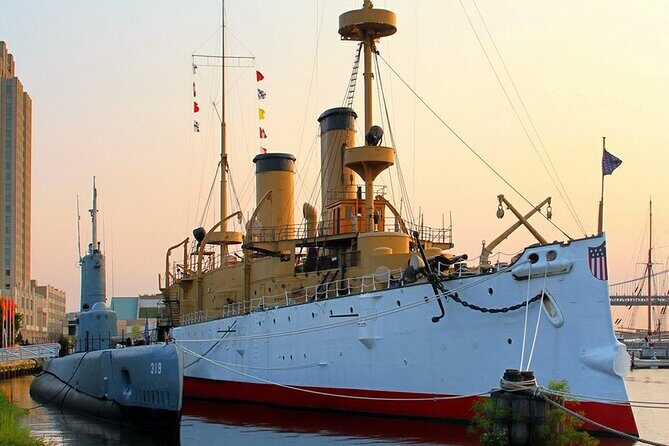
Cruiser Olympia is the centerpiece of the included ticket, and it deserves that role. The ship launched in 1892 and is known as the world’s oldest floating steel warship. It also has a rare claim to fame: it’s the only surviving naval ship from the Spanish-American War.
What makes Olympia more than a museum prop is how many specific moments are attached to it. You’re looking at a vessel that served as Admiral Dewey’s flagship at the Battle of Manila Bay, a key event tied to the U.S. stepping onto the world naval stage. And the ship’s connections don’t stop with combat history. Olympia also received the honor of bringing the soldier for internment for the Tomb of the Unknown Soldier in Arlington Cemetery.
When you’re on board, pay attention to how the ship is built for movement and function. The experience includes ladders, hatches, and gangways to get around. That matters because it helps you imagine ship life in a way flat photos can’t. If you’re traveling with kids, this is often where their questions kick in—how did people move, where did they sleep, and what was this space used for?
Practical note: the vessels are historic ships, so they are not ADA accessible. If anyone in your group needs easier access, it’s smart to plan ahead and focus on what the museum floors provide.
Submarine Becuna: WWII and Cold War bravery (with a catch)
Submarine Becuna is the other National Historic Landmark ship, but it’s different from Olympia in one important way: the guided tour is a ticket add-on and is purchased on-site. That means you can’t always assume it’s included the way Olympia is.
Becuna launched in 1944 and completed five wartime patrols in the Pacific Ocean. After World War II, it didn’t just go quiet. It served in the Mediterranean and Atlantic during the Korean, Vietnam, and Cold Wars. It also finished a long career as a training submarine.
So what do you get from adding Becuna? A chance to experience how submariners lived and worked in a much tighter, more technical world. Even if you’re not a military history superfan, the submarine story tends to land because it’s about engineering under pressure and how crews trained to operate a machine that can’t be treated like normal transportation.
Also, because Becuna is a submarine, expect more “technical and spatial” curiosity than “big ship” sightseeing. The ship layout is built around systems and access points. If you like hands-on learning, this can feel like stepping into a 3D diagram.
Inside the museum: exhibits that explain why ships mattered
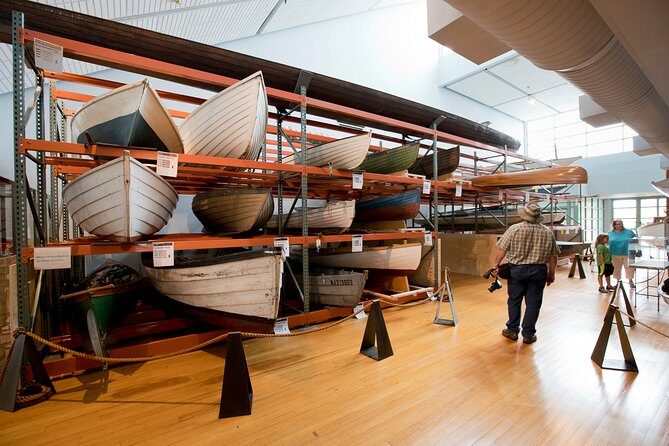
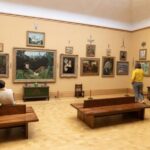
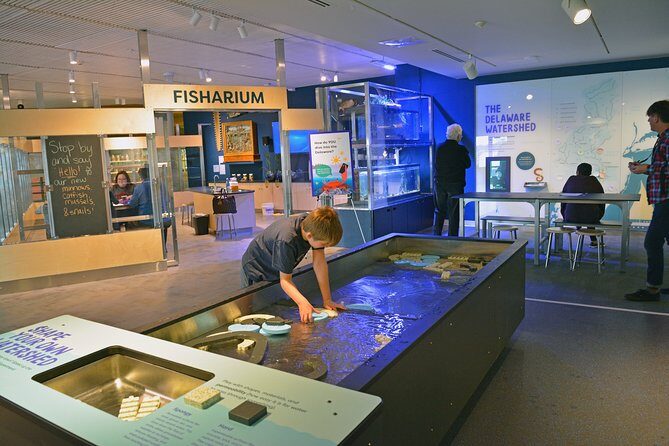
After the ships, the museum gives you context across two floors. This is where your day becomes more than walking around metal and wood. You start to see how maritime life connected to Philadelphia, to trade, and to conflict and disaster.
Here are some of the galleries you can expect:
- Disasters on the Delaware: Historic Disasters and Modern Day Heroes
If you’ve ever wondered how cities learn from storms and wrecks, this one fits. It links past events to what people do after tragedy.
- Tides of Freedom: African Presence on the Delaware River
This helps you see maritime history as people’s lives, not just ships and dates.
- Tattoo Lounge
A surprising, human-leaning stop that adds personality to the maritime theme.
- Titanic Philadelphians
When you’re in a ship-focused museum, these connections make the stories feel local.
- Boat Gallery and Underwater Gallery
These spaces help you look at maritime craft and what’s beneath the surface, where stories often get harder to reach.
The museum also includes educational programs and resources, plus a workshop where builders construct wooden boats. That workshop is a major reason I think this place works for mixed-age groups.
The Workshop on the Water: when history becomes hands-on
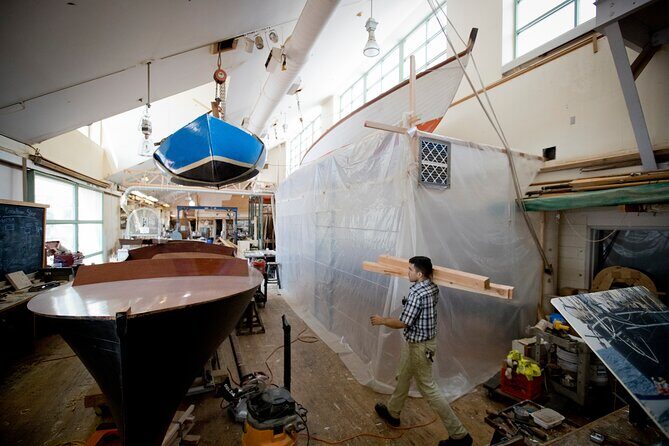
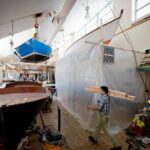
One of the most memorable parts of the visit is simply watching boat builders at work. There’s a Workshop on the Water, and it’s not just a background activity. You can observe builders constructing wooden boats while you’re inside the museum.
A standout detail here is the schooner Diligence. It’s described as a gunboat built in 1797 in Philadelphia to defend the young country from pirates. Having that work and story inside the museum makes the craft feel current, even though the project is old.
Why does this matter? Because ship history can turn into trivia fast. The workshop changes the tone. It turns questions into practical thinking: Why does this piece have this shape? How do you join wood in a way that lasts? What do builders pay attention to that most visitors never notice?
If you’re traveling with kids, this kind of seeing-real-time work often holds attention better than another gallery wall. It also gives adults a calmer pace: you can watch, stand back, and then go back to reading with your eyes adjusted.
Other Independence Hall and Liberty Bell tours we've reviewed in Philadelphia

Timing: how long you need for Olympia plus everything else
Plan on 1 to 2 hours for a solid visit. That’s enough time to do Olympia well, wander both museum floors at a comfortable pace, and still stop to watch builders in action.
A helpful strategy is to decide early what you want most:
- If you mainly want Olympia and the museum: aim for the shorter end of the range.
- If you want detailed ship navigation plus multiple galleries and builder time: give yourself closer to two hours.
- If you’re adding Becuna’s guided tour: build in extra time for the add-on portion and whatever pacing the submarine visit requires.
Also, note that tickets are commonly booked in advance, with an average of about 13 days. If you’re visiting on a busy day, booking ahead helps you avoid last-minute stress.
Weather and ship closures: the day can change fast
This experience operates in all weather conditions, but the ships may close if conditions get extreme, including snow, ice, or high temperatures. That means your plan should be flexible.
If you’re going on a hot day, bring water and wear light layers. If it’s cold or wet, you’ll want grippy shoes because ship areas and pathways can be harder to navigate. When the ships are closed, the museum component is still your safety net—so you’re not stuck with nothing to do.
Who this is best for
I think this works especially well for:
- Families who want both a “wow” ship visit and real exhibits with topics kids can talk about
- People who like maritime tech and specific historical moments, not just broad vibes
- Anyone who wants Philadelphia history tied to the water in a hands-on way
It’s also a good choice if your group includes different interests. The Olympia story satisfies the classic naval-history crowd, while the museum galleries and workshop keep the day human and visual.
Just remember: because the historic ships are not ADA accessible and involve moving around ladders/hatches/gangways, you’ll want a group with a moderate fitness comfort level.
Price and value: what your $20 really buys
At $20 per person, your included admission covers the museum building and Cruiser Olympia. For that price, you’re paying for an experience that combines:
- Entry into a two-floor museum with named galleries and educational content
- Direct ship access to a major National Historic Landmark
- A setting where you can watch working boat builders
That’s strong value if you care about the Olympia experience and want museum time that doesn’t feel rushed.
The only potential cost wrinkle is the submarine: Becuna guided tours are a ticket add-on purchased on-site. If your priority is both ships, treat your final cost as the base ticket plus whatever the on-site add-on is at the time you visit.
Tips to make the visit smoother
A few practical habits make this day go better:
- Wear shoes with good grip. You’ll be moving around ship-access elements and museum floors.
- Give yourself time for the builder area. It’s easy to rush past if you’re only focused on the ships.
- If you want Becuna, plan to ask about the guided tour add-on early once you arrive, since it’s purchased on-site.
- In hot or stormy weather, dress for comfort and be ready for ship closures if conditions get extreme.
Should you book this Independence Seaport Museum visit?
Book it if you want an actual ship-on-the-water experience in Philadelphia, with Cruiser Olympia as a centerpiece and a museum that explains the maritime world in clear, specific ways. It’s a smart choice for families and for anyone who likes history they can see from multiple angles—on deck, in galleries, and in a workshop where wood is being shaped in real time.
Skip or adjust your expectations if you were hoping for a fully accessible ship tour route, since the historic ships aren’t ADA accessible. And if submarine access is your top priority, remember that Becuna guided tours are an on-site add-on, so budget time and flexibility.
If you like your history with hands-on elements and real objects, this is a very solid use of your waterfront day.
FAQ
What is included with the $20 admission ticket?
Your admission includes access to the museum building and Cruiser Olympia.
Is the submarine Becuna included in the ticket price?
Not automatically. Guided tours of Submarine Becuna are a ticket add-on and must be purchased on-site.
How long should I plan for the visit?
Expect about 1 to 2 hours for the experience.
What are the museum and ship highlights?
You can visit two National Historic Landmark ships (Olympia included with admission, Becuna via the guided add-on) and explore two floors of maritime exhibits and galleries. There’s also a workshop where wooden boats are built.
Are the ships wheelchair accessible?
The historic ships (including the Olympia and Becuna access) are not ADA accessible.
What should I wear or prepare for?
The experience runs in all weather, but ships may close during snow, ice, or high temperatures. Dress appropriately for weather and wear comfortable shoes for moving around the vessels.
Can children visit?
Yes, but children must be accompanied by an adult.
Is parking included in the ticket price?
No. Parking fees are not included. The museum does not own a parking facility, so look for public parking lots or metered street parking.
What if I need to cancel?
You can cancel for a full refund up to 24 hours before the experience’s start time. Canceling less than 24 hours before is not refundable.