REVIEW · PHILADELPHIA
Philly Gayborhood and LGBTQ History Walking Tour
Book on Viator →Operated by Beyond the Bell Tours · Bookable on Viator
Philadelphia has a queer walking map. This 90-minute Gayborhood tour in Philadelphia spotlights LGBTQ activists, public art, and how Pride shifted from protest to parade. I like that it stays practical and street-level, with stops you can actually photograph and revisit on your own time.
Two things I really like: the pace feels easy to follow, and the guide handles questions clearly. You’ll also get a strong lineup of community landmarks, from the William Way mural to Giovanni’s Room and the Philly AIDS Thrift stop.
One possible drawback: the tour requires good weather, so if skies look sketchy you’ll want a backup plan for a later date.
In This Review
- Key highlights you shouldn’t miss
- Price and logistics: $49 for 1.5 hours that stays on its feet
- Meeting point on Locust Street and the group size sweet spot
- Stop 1: William Way LGBT Community Center and the Pride and Progress mural
- Stop 2: Writer’s Block Rehab and queer icon murals on the bar wall
- Stop 3: Philly AIDS Thrift at Giovanni’s Room—books, memory, and community
- Stop 4: North Camac Street and the heart of the Gayborhood
- Pride then and now: protest to parade, with real-world meaning
- What you’ll notice on the walk: pace, questions, and photo time
- Value check: is $49 worth it?
- Group upgrade: private tour option with a 5-person minimum
- Who this tour fits best (and who might want a different plan)
- Practical tips for making the most of it
- Should you book this Philly Gayborhood walking tour?
Key highlights you shouldn’t miss
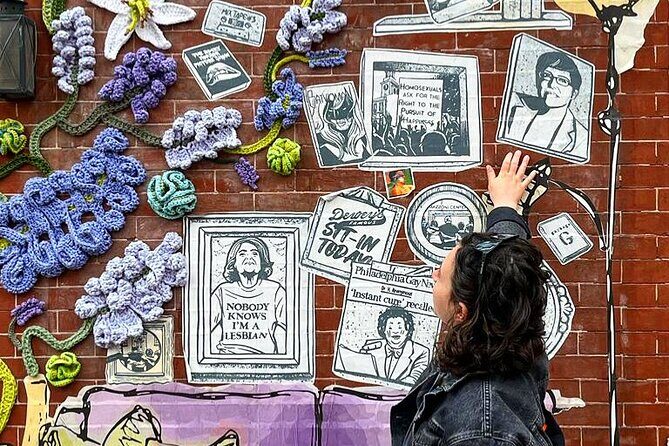
- Pride and Progress mural at William Way LGBTQ Community Center
- Queer icon murals at Writer’s Block Rehab (a local QPOC-owned bar)
- Giovanni’s Room bookstore stop plus a Philly AIDS Thrift visit
- North Camac Street walk where the Gayborhood’s core once beat
- Small-group feel with a maximum of 30 people
- Photo-friendly route with short, focused stop times
Price and logistics: $49 for 1.5 hours that stays on its feet
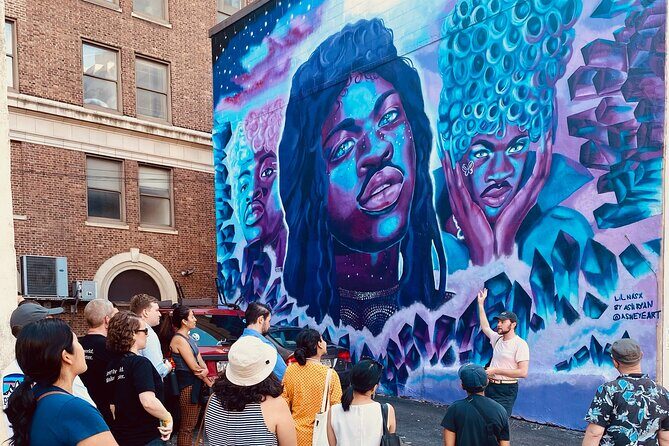
This tour costs $49 per person for about 1 hour 30 minutes. For a neighborhood walking tour, that’s a middle-of-the-road price, but the value comes from how tightly the route is structured: you get multiple visual stops and real places tied to LGBTQ community life, not just general commentary.
It’s offered in English, and you’ll use a mobile ticket on-site. You’re also starting at a fixed meeting place and returning there, which makes the plan simple if you’re mixing this with dinner or another afternoon stop.
A quick heads-up: it’s booked fairly ahead of time (about 33 days on average). If Pride events or weekend schedules matter to you, I’d treat this like a “book early” activity rather than a last-minute idea.
Other historic Old City walking tours we've reviewed in Philadelphia

Meeting point on Locust Street and the group size sweet spot
You meet at Bud & Marilyn’s, 1234 Locust St, Philadelphia, PA 19107, and the tour starts at 3:00 pm. The end point is the same place, which is handy if you want to grab food nearby right after the walk.
The max group size is 30 travelers, which helps keep the experience from turning into a moving crowd. Service animals are allowed, and the meeting area is near public transportation, so it’s doable even if you’re not driving.
If you’re the type who likes asking questions as you go, a smaller group matters. From the feedback style on this one, you can expect the tour to move at a pace that lets you actually see things and not just rush past them.
Stop 1: William Way LGBT Community Center and the Pride and Progress mural
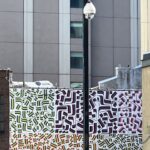
The tour’s first major stop is the William Way LGBT Community Center, with about 15 minutes on-site. The headliner here is the Pride and Progress mural painted on the side of the building.
This is the kind of wall art that gives you instant context. Instead of talking about Pride only as a one-day event, the mural frames it as something that grew over time—through visibility, organizing, and changing social attitudes.
What I like for your experience: this stop is early, so you’re oriented fast. After you’ve seen the mural, the rest of the walk makes more sense because you’ll start noticing how each place connects to the wider story.
Stop 2: Writer’s Block Rehab and queer icon murals on the bar wall
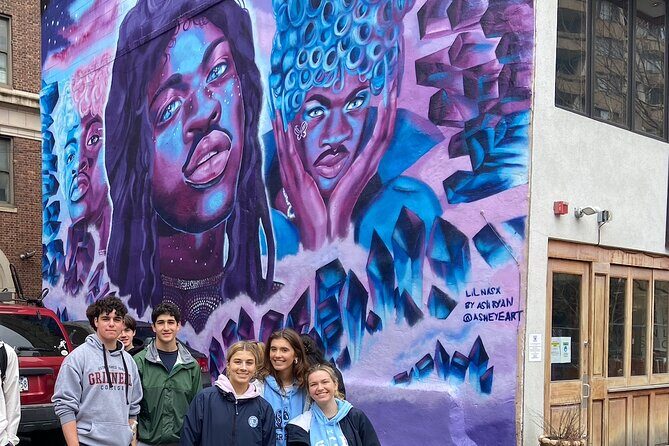
Next you’ll head to Writer’s Block Rehab, where the tour spends about 10 minutes. This is a local QPOC-owned bar, and the highlight is the set of two murals of queer icons along the side of the venue.
Even with limited time, this stop works because it’s visual and focused. You’re not expected to read a long wall; you get a short moment to look closely, snap photos, and connect the icons in the art to the broader LGBTQ community narrative you’ll hear on the walk.
The only consideration is practical: because the time is short, you’ll get the most out of it if you’re ready to look quickly. If you like slow, detailed photo sessions, pair the tour with a return visit later—this is the sort of place you’ll want to revisit on your own terms.
Stop 3: Philly AIDS Thrift at Giovanni’s Room—books, memory, and community
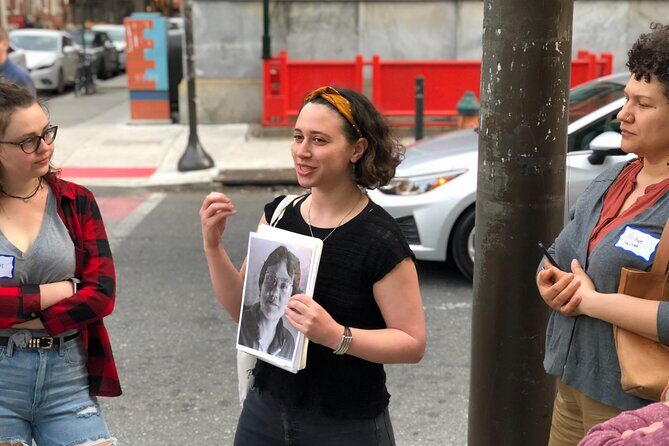
Stop three is Philly AIDS Thrift @ Giovanni’s Room, with about 15 minutes here. This is also your chance to visit what’s described as the oldest continuously operating LGBTQ-focused bookstore in the country.
That detail matters. A bookstore isn’t just retail; it’s often a meeting point for ideas, voices, and community connection. If you care about how culture gets recorded and shared, this is the stop that hits hardest, even if you only browse for a few minutes.
I also like that this stop blends two community functions in one area: a bookstore and a thrift stop connected to AIDS-related support work. It helps you see how LGBTQ history isn’t only in statues or memorials—it’s also in the day-to-day institutions that keep people supported.
Other pub crawls and bar-hopping tours we've reviewed in Philadelphia


Stop 4: North Camac Street and the heart of the Gayborhood
The final stop is North Camac Street, where you’ll spend about 10 minutes. The focus is on what the heart of the Gayborhood once was, plus the location of Philadelphia’s oldest gay bars.
This is a “look around and imagine” moment. You’re not walking through a museum; you’re seeing a street where community life once clustered, and the guide helps you translate the present-day streetscape into a past you might not otherwise picture.
One small drawback to consider: because this is about place and location, there aren’t always physical artifacts like signs or plaques to study at length. If you prefer history with a lot of built-in markers, lean into the guide’s storytelling and take your own notes or photos from angles that help you later.
Pride then and now: protest to parade, with real-world meaning
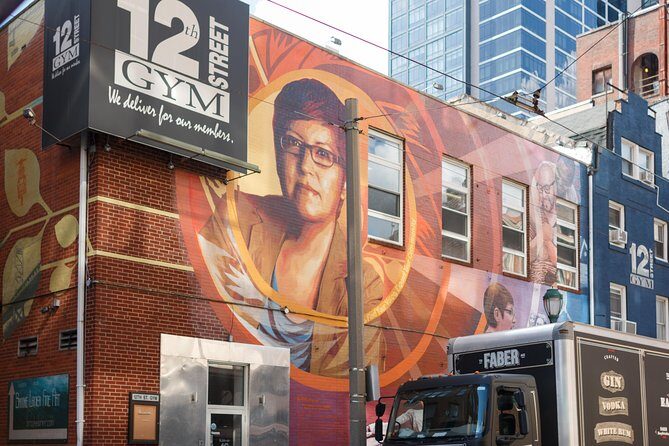
One thread running through the tour is learning how Pride evolved from protest to parade. That sounds straightforward, but the way this kind of route teaches it is more useful than a generic Pride overview.
You’ll see public-facing art first, then shift into community spaces and institutions tied to LGBTQ life. That sequence matters, because it shows Pride not as a marketing moment, but as something driven by organizing, resilience, and community building.
If you’re visiting during Pride season, this tour gives you context before you get swept up in the crowds. And even if you’re visiting off-season, it still helps you understand why these sites carry meaning beyond a single date.
What you’ll notice on the walk: pace, questions, and photo time
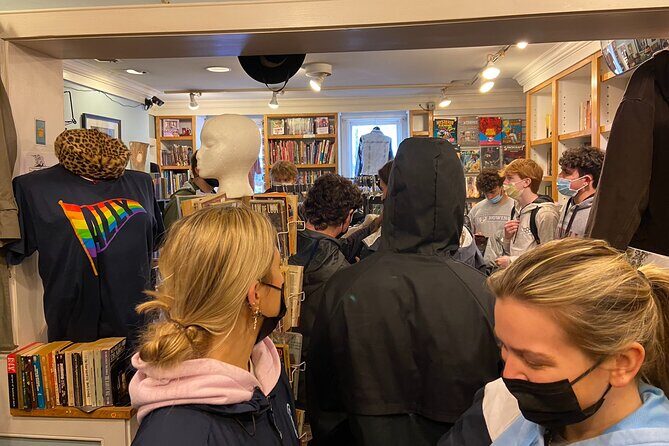
The feedback here points to a tour that keeps moving but doesn’t feel frantic. The walking pace is described as on-time and comfortable, and the stop durations are short enough that you don’t lose the thread, yet long enough to take pictures and actually look.
Another strength is Q&A. The guide is described as informative and willing to answer questions, which is important for a subject like local LGBTQ history where people often want clarification on names, dates, and what certain places represent.
If you like to travel with a camera, this one is set up for that. You’ll be stopping at mural locations and street-facing landmarks, which naturally creates photo opportunities without needing a “special viewpoint” or long detours.
Value check: is $49 worth it?
For $49, you get a guided walk that covers multiple LGBTQ-focused stops in about 1.5 hours. The strongest value factor isn’t just the price—it’s the structure: short segments at meaningful places, plus enough time at each stop to absorb what you’re seeing.
Also, the stop descriptions include free admission tickets for the listed sites. Even if you’re not buying anything, you’re not locked into paid entries to enjoy the tour’s content.
If you’re comparing this to other city walks, I’d think about what you want: a quick cultural sampler versus a long museum-style day. This is built for the “see, learn, photograph, and keep your afternoon free” type of traveler.
Group upgrade: private tour option with a 5-person minimum
There’s an option to upgrade for a private tour experience with 5 people minimum. If you’re traveling with friends, a family group, or a small community group, private can be a smart way to tailor the conversation.
The tour still keeps the same neighborhood route logic, but a private format usually means fewer “wait for the group” moments and more time for your specific questions. It’s also a smoother fit if you want to match the pace to your group’s comfort level.
Who this tour fits best (and who might want a different plan)
This works especially well if you want:
- a focused LGBTQ neighborhood walk
- mural photography and easy street-side viewing
- a guided explanation that connects places to broader Pride changes
It’s also a decent fit if you like structured walking with clear stop times. Not everyone loves open-ended tours where you wander for hours without a rhythm.
If you dislike walking outdoors or need lots of indoor time, plan carefully because the tour requires good weather. In Philadelphia, weather can swing quickly, so check the forecast close to 3:00 pm.
Practical tips for making the most of it
Bring comfortable shoes. Even though each stop is short, you’re still doing a neighborhood walk for about 90 minutes.
Use your phone camera smartly. The murals and street views are best when you pause and frame intentionally. If you rush, you’ll end up with pictures that don’t show the details you came for.
If you want to buy books or browse related items, keep your expectations realistic. The official time on this stop is about 15 minutes, so you may need to decide on the spot whether you’re scanning for titles or planning a deeper visit later.
Should you book this Philly Gayborhood walking tour?
I’d book it if you want a short, well-paced LGBTQ-focused walk with strong visual stops. The best reasons to choose it are the structure, the photo-friendly mural locations, and the guide’s ability to answer questions while keeping the walk on schedule.
I wouldn’t book it if you’re looking for a long museum-style experience or if you’re traveling when weather looks unreliable. Also, if you want very detailed stops with lots of time at each location, this tour’s quick hit format may feel too brief.
If you’re in Philadelphia for a weekend or a few afternoon hours, this is one of those activities that gives you context you can carry into the rest of your trip—especially when you’re walking through the city’s LGBTQ spaces afterward.