REVIEW · PHILADELPHIA
Philadelphia: Walking Tour of Colonial Nonsense
Book on GetYourGuide →Operated by Offbeat Philly · Bookable on GetYourGuide
Philadelphia has a way of grabbing you by the sleeve. This Colonial Nonsense walk turns Founding-era myths into street-level stories—fast, funny, and way more human.
I especially like the guide energy—the tour is run by Fayge, who stays personable and answers questions with real detail. I also love how the route hits the key icons (like Independence Hall) while still making room for smaller places that tell you how people actually lived.
One consideration: you’ll mostly see major sites from the outside, since entry tickets aren’t included—so if you’re craving indoor exhibits, you’ll want to plan that separately.
Key points to know before you go
- Fayge’s style blends humor and context, so the Revolution story lands without feeling like a lecture
- You cover a compact route: about 1.5 miles in roughly 2 hours
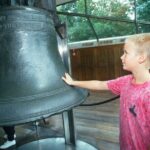
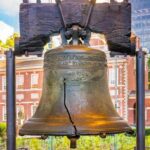
- Major stops are exterior views, including the Liberty Bell and Independence Hall
- You get the “people” angle: not just leaders, but also the regular folks and messy behavior around them
- The itinerary includes multiple atmospheric pockets like Franklin Court and Elfreth’s Alley
In This Review
- Why Colonial Nonsense Feels Different on the Sidewalk
- The Walk and Time Budget: 2 Hours, About 1.5 Miles
- Where You Meet and How the Route Closes
- Stop-by-Stop: Franklin’s Grave to the Liberty Bell Exteriors
- Washington Square Park: Where Serenity Meets Less-Serene Stories
- Carpenters’ Hall and Franklin’s Print Shop: Ideas Were Built Like Crafts
- Franklin Court and Elfreth’s Alley: The Street-Texture of Colonial Life
- Betsy Ross House Finish: Myths, Gossip, and the Revolution’s Human Side
- Price and Value: What $39 Gets You in Real Terms
- Who This Tour Suits Best (and Who Might Want Something Else)
- Should You Book Colonial Nonsense? My Take
- FAQ
- How long is the Philadelphia Colonial Nonsense walking tour?
- How much does the tour cost?
- What’s included in the tour price?
- Are museum or attraction entry fees included?
- What sights will I see?
- Is the tour guide live and is it in English?
- Where do I meet, and where does the tour end?
Why Colonial Nonsense Feels Different on the Sidewalk
Colonial Philadelphia is easy to turn into a postcard. You stand by the big monuments, take the photo, and move on.
This tour resists that habit. It treats the historic square mile like a story you can walk through—complete with love, sass, and the kind of behind-the-scenes talk that makes the past feel less polished and more believable. You’ll hear why Americans keep repeating certain Founding Father myths, then you’ll get the messier, more complicated humans behind the headlines.
The tour’s tone is playful, but it’s not random. John Adams is used as a kind of guiding warning about human nature—how people can be brilliant and flawed at the same time. That mindset helps you read the city differently as you go. You start noticing character: who had power, who had problems, and how everyday decisions shaped major events.
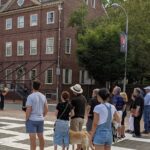
And crucially, Fayge doesn’t just recite facts. The tour works like a conversation. If you ask questions, you’ll get answers that connect details to the bigger Revolution picture.
The Walk and Time Budget: 2 Hours, About 1.5 Miles
The whole experience is about 2 hours with a moderate walk of roughly 1.5 miles. That’s important because it means you’re not sprinting from stop to stop, and you’re not stuck in one place for too long either.
Here’s how to use that to your advantage: wear comfortable shoes and expect frequent short pauses. The tour has photo stops—so you’ll be standing outside at spots like the Liberty Bell and Independence Hall. That’s not a problem if you’re prepared. It becomes a problem only if you show up in uncomfortable footwear or with big plans right before or after.
Also, keep your expectations aligned with the format. This is a walking story. You’re gathering context as you move, not buying museum time.
Other Founding Fathers and Revolutionary history tours we've reviewed in Philadelphia
Where You Meet and How the Route Closes

Meeting point details can be confusing for this one because there are two pieces of information listed: you meet out front on Market Street, and the starting location is listed as 522 Arch St.
My practical advice: when you book, check your confirmation message for the exact meet-up spot wording. Then arrive a few minutes early and find your guide on the street.
The tour ends back at the meeting point per the activity info, but the itinerary also lists the finish at the Betsy Ross House. If those sound contradictory, treat it as a “finish area” thing. In other words, you’ll likely be walking back through the same central area. Still, confirm the exact end point in your booking details so you don’t end up lingering far from your last stop.
Stop-by-Stop: Franklin’s Grave to the Liberty Bell Exteriors
You start at 522 Arch St, with the meet-up described as out front on Market Street. From there, the first major moment is Benjamin Franklin’s grave.
Even if you’ve heard Franklin’s name a hundred times, a grave stop changes the mood. It’s quieter. It sets up the idea that the tour is about real people, not marble heroes.
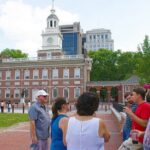
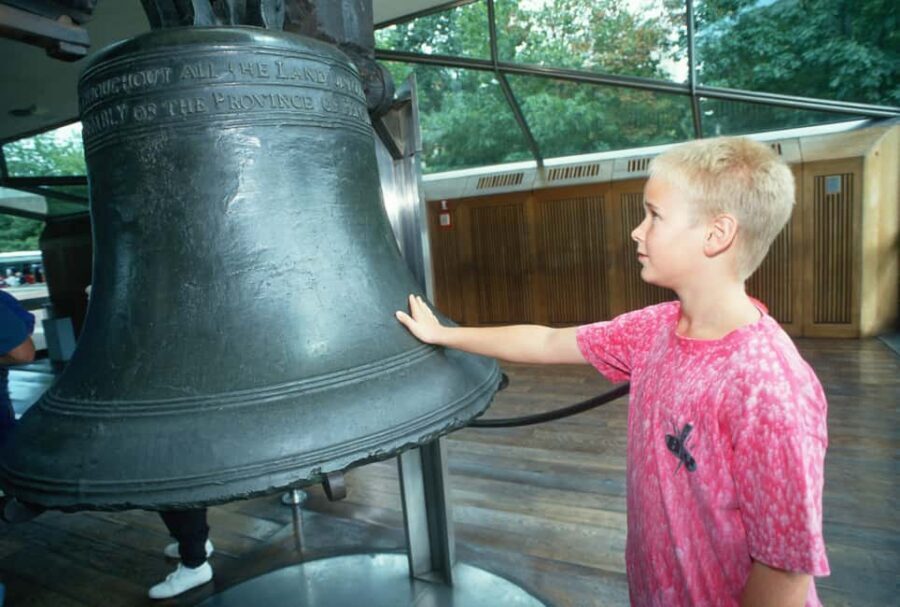
Next comes the Liberty Bell exterior and then the Independence Hall exterior. These are famous, yes—but the point isn’t just seeing them. It’s hearing the behind-the-scenes talk tied to what the Revolution was really like: arguments, compromises, ambition, and the messy human side of history. You’ll also get help placing the larger story so the big landmarks feel connected instead of separate.
One upside of the exterior approach: you’re not losing momentum hunting for tickets or getting stuck in lines. You keep your walking rhythm, and you stay in the streetscape where colonial Philadelphia actually happened.
Washington Square Park: Where Serenity Meets Less-Serene Stories
After the big landmarks, you shift to Washington Square Park. This is where the tour’s “colonial nonsense” concept really shows. William Penn’s original parks are tied to an orderly design, but the stories that play around them are rarely orderly.
You’ll walk through the park and hear about memorials—and also the less serene side of the city’s past. It’s the kind of stop that makes you look at a peaceful place and wonder who once argued there, who once waited there, and who once tried to shape the future from inside very imperfect circumstances.
Tip: if you’re the type who likes to sit for a minute, this is a good place to do it. Even if the tour doesn’t pause long, you can use the moment to catch your breath and refocus. The tour continues into more walking right after.
Carpenters’ Hall and Franklin’s Print Shop: Ideas Were Built Like Crafts
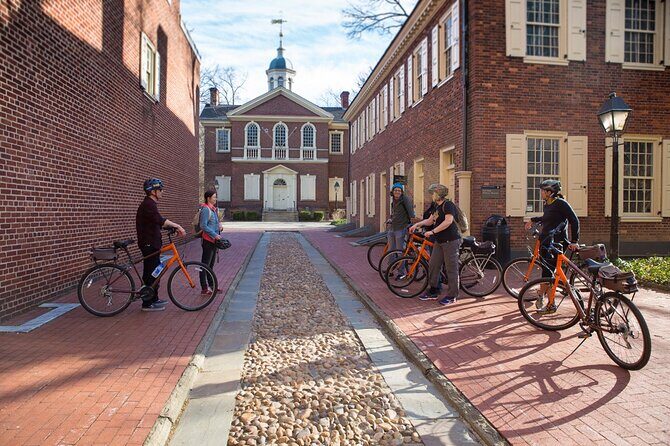
The itinerary then moves into the colonial days with several stops that highlight how ideas spread. Carpenters’ Hall is one of those. It’s a building you might glance past if you’re sightseeing on your own, but with a guide, it becomes part of a larger map of how meetings and decisions happened in real time.
You’ll also hear about Benjamin Franklin’s print shop and see relevant stops along the way, including a listed stop at the First National Bank. Even if you don’t go inside any of these places, the guide helps connect them to the people and systems that shaped public debate.
This is where Fayge’s approach really matters. The tour isn’t only about leaders making speeches. You get the sense that the Revolution was also powered by information: printing, persuasion, networking, and the daily work of keeping the public thinking.
If you like history that includes the mechanics of how change happens, you’ll enjoy these sections. They bridge the gap between “big dates” and “how it actually worked.”
Other comedy and adult-only tours we've reviewed in Philadelphia



Franklin Court and Elfreth’s Alley: The Street-Texture of Colonial Life
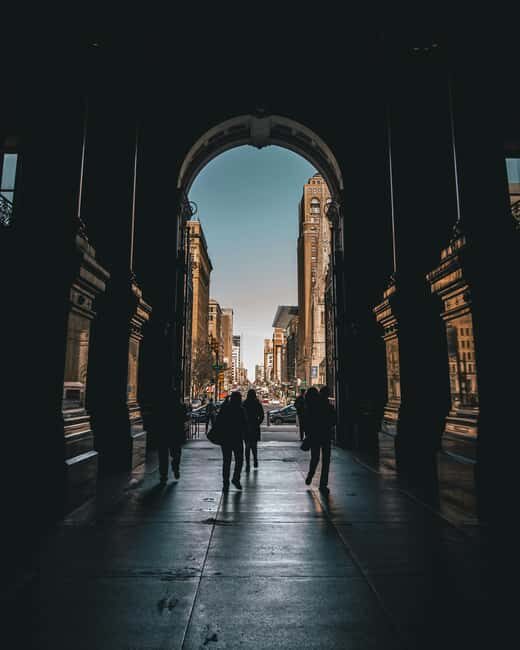
Next up: Franklin Court and Elfreth’s Alley.
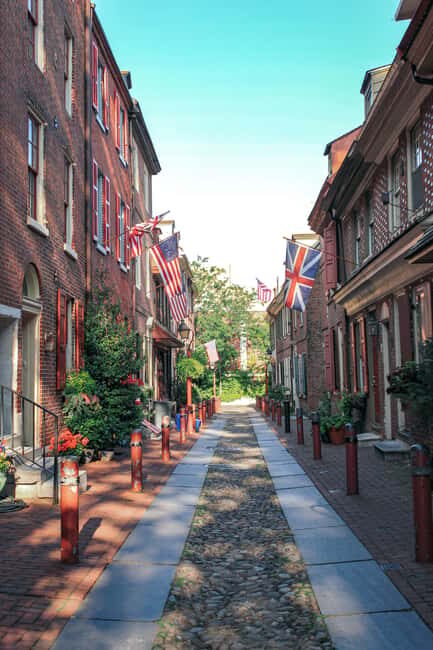
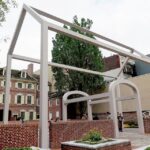
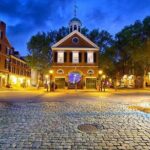
This is a strong pairing because it gives you two different flavors of “old Philadelphia” atmosphere. Franklin Court helps you understand how colonial life was arranged around shared space and important institutions. Elfreth’s Alley, on the other hand, is famous for its street character. It’s the kind of place where the buildings themselves almost do the storytelling.
The tour’s value here is interpretation. You don’t just see historic architecture—you hear how daily life fit around it. That “people angle” shows up again, too, including what ordinary residents were doing while the headlines were about the Founding Fathers.
If you enjoy street-level history—where you can stand on a curb and picture the scene without a screen—this part of the route is a highlight.
Betsy Ross House Finish: Myths, Gossip, and the Revolution’s Human Side
You end at the Betsy Ross House area (with the itinerary listing it as the finish point). The tour’s ending matters because it loops back to the central theme: the gap between stories that make us proud and the real messy world that actually produced the Revolution.
Betsy Ross is part of a broader American story that people often simplify. The tour’s approach is to keep the romance, but add the friction—because history isn’t only clean triumph. It’s also imperfect people doing complicated work under pressure.
By the time you reach this final stop, you should feel like you understand more than landmarks. You should feel like you learned how leaders behaved, how communities responded, and how the Revolution was driven by human choices rather than flawless legends.
It’s a strong ending for anyone who’s tired of the same sanitized take. The tone is playful enough to keep moving, but grounded enough to leave you with real context.
Price and Value: What $39 Gets You in Real Terms
At $39 per person for a 2-hour guided walking tour, you’re paying for three things:
- A trained guide who can connect the street scenes to the larger Revolution story
- Time efficiency—you cover multiple key areas in one compact route
- Story value—the tour focuses on personalities, gossip, and behind-the-scenes behavior, not just dates
You’re not paying for museum entries. The tour explicitly does not include entry fees to attractions or museums, and it doesn’t include food or transportation to/from the meeting point.
So the value depends on what you want:
- If you want a quick, guided way to understand the colonial square mile and hear the “how and why” behind it, this price makes sense.
- If you want deep indoor exhibits and you’re planning to spend hours inside ticketed spaces, you might feel limited.
Personally, I think this type of tour is at its best when you treat it as the narrative foundation. Then you can add museum time later on your own schedule.
Who This Tour Suits Best (and Who Might Want Something Else)
This tour is a great match if you:
- like your history told with humor and human flaws
- enjoy walking tours where the guide helps you see connections
- want to understand both famous figures and the everyday context around them
- ask lots of questions and appreciate a guide who answers clearly (Fayge is a standout here)
It might be less ideal if you:
- want heavy indoor museum time (you’ll be mostly outside)
- dislike standing for photo stops at major landmarks
- expect a long sit-down lecture format instead of an active 2-hour walk
A simple way to choose: if you enjoy stories that mix affection with criticism of the Founding era, you’ll probably have a great time.
Should You Book Colonial Nonsense? My Take
Yes, with a few smart expectations.
Book it if you want a guided walk that makes Philadelphia’s colonial core feel alive—especially through the “people” lens: gossip, bad behavior, debates, and what ordinary residents were doing while leaders made history. The guide quality is a major draw, and Fayge’s personable approach plus her answers to questions seems to be the engine of the tour’s success.
Skip or supplement it if you mainly want indoor exhibits, because this tour keeps things outdoor and doesn’t include museum entry. Also, plan around the 1.5-mile walking pace and bring comfortable shoes.
If you’re doing Philadelphia for a short time, this kind of tour is a fast way to get your bearings and understand why these places matter beyond the famous photos.
FAQ
How long is the Philadelphia Colonial Nonsense walking tour?
The tour lasts about 2 hours.
How much does the tour cost?
It’s $39 per person.
What’s included in the tour price?
You get a guided tour of Philadelphia’s historic sites, guided stops and stories, exterior viewing of the Liberty Bell and Independence Hall, and stops at places like Carpenters Hall, Franklin’s print shop, and Betsy Ross’ house.
Are museum or attraction entry fees included?
No. Entry fees to museums or attractions are not included.
What sights will I see?
You’ll make stops for photos or visits at locations including Benjamin Franklin’s grave, the Liberty Bell, Independence Hall exteriors, Washington Square Park, Carpenters’ Hall, Franklin Court, Elfreth’s Alley, and Betsy Ross’ house.
Is the tour guide live and is it in English?
Yes. The tour has a live guide and it’s in English.
Where do I meet, and where does the tour end?
You meet out front on Market Street. The activity information says it ends back at the meeting point, while the itinerary lists finishing at the Betsy Ross House area, so check your confirmation for the exact end point.