REVIEW · PHILADELPHIA
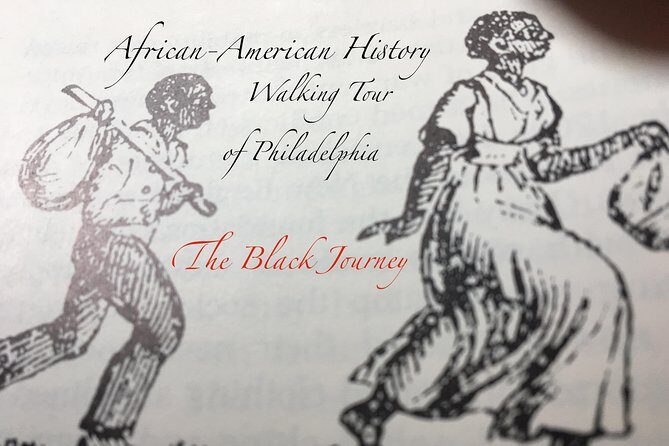
The Black Journey: An African-American History Walking Tour of Philadelphia
Book on Viator →Operated by The Black Journey Philadelphia Walking Tour · Bookable on Viator
Philadelphia hits different on this walk. You get Philadelphia’s best-known sights, but with Black history in the driver’s seat instead of an afterthought. I like how the tour connects big landmark names to real people and hard moments, including enslaved lives and stories of escape like Martha Washington’s handmaid. You also hit major icons such as the Liberty Bell and Congress Hall, so it feels like more than just a history lesson on a sidewalk.
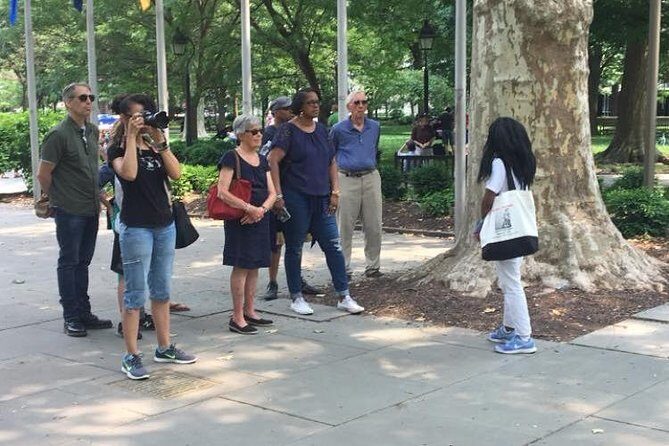
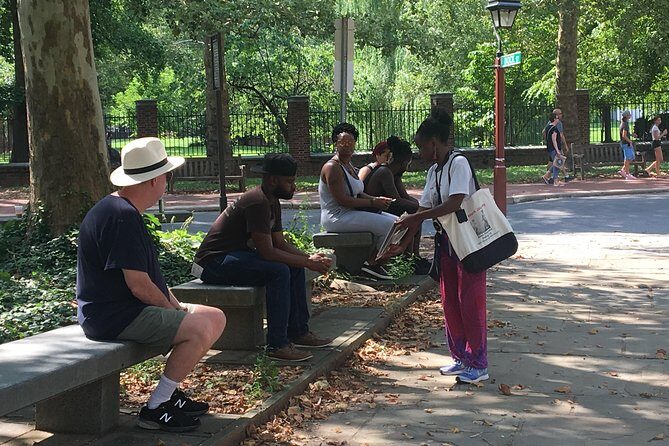
My other big win: the guide format. You’re led in person by Mijuel, and the group stays small, capped at 40 people, which keeps things human and makes it easier to ask questions. One consideration: it’s a tight 2-hour route with many stops, so you’ll need comfortable shoes and a willingness to keep moving while the stories pile up.
In This Review
- Key Highlights You’ll Care About
- Why This Black History Walk Works So Well in Philadelphia
- Starting at Independence Visitor Center: Timing, Route Shape, and Flow
- Independence Hall Area Stops: President’s House, the Abolition-Era Bell, and Washington Square
- Congress Hall and Old City Hall: Learning to Read the City’s Power from the Outside
- Supreme Court, Museums, and Library Hall: Turning Big Names into Real Context
- Banking on the Same Block: First and Second Bank of the U.S. Through a Freedom Lens
- Carpenter’s Hall, Independence Square, and the Freedom-Minded Street Corners
- John Todd House, Bishop White House, and the Story-Heavy Small Details
- Former Locations Your Guide Flags: What You Might Miss Without a Pro
- The Guide Factor: Following Mijuel’s Storytelling and Connecting Past to Now
- How Long It Really Takes to Feel It: Pace, Group Size, and Comfort
- Price and Value: Why $35 Can Feel Like a Steal Here
- Weather and What to Bring for a Better Walk
- Should You Book The Black Journey Philadelphia Walking Tour?
- FAQ
- How long is the Black Journey walking tour in Philadelphia?
- How much does it cost?
- Where does the tour start and end?
- What time does it begin?
- What’s included in the tour?
- Is there a limit on group size?
- Is the tour appropriate for people with limited physical fitness?
- Is service animal access allowed?
- What should I do if the weather is bad?
Key Highlights You’ll Care About
- Live guidance at every stop so you’re not left guessing what mattered and why
- Core Independence-area landmarks like Congress Hall and the Liberty Bell, tied directly to the theme
- Stories that go beyond dates including enslaved life in colonial times and escape narratives
- Former-site spotting where the guide points out important locations that aren’t always obvious today
- A small-group cap of 40 for a more manageable walk and better attention
- Practical, flexible ticketing with a mobile ticket and a clear start and finish point
Why This Black History Walk Works So Well in Philadelphia
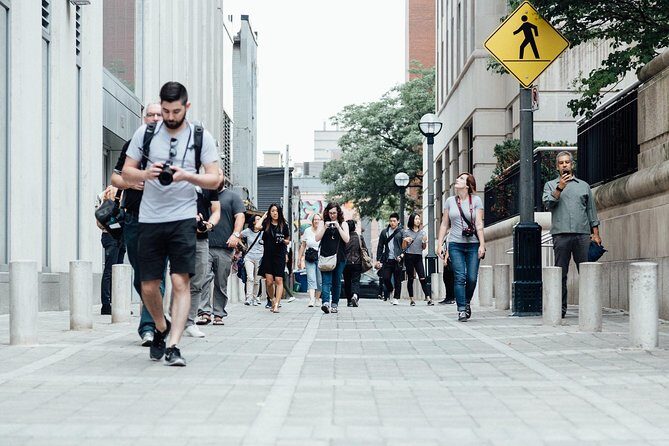
Philadelphia can feel like a museum you can walk through, but most sightseeing routes skim the parts that explain why the city looks the way it does. This tour does the opposite: it uses the city’s most recognizable buildings as signposts to the African-American story, including slavery, resistance, and institution-building.
What I like most is that it doesn’t treat Black history as a side chapter. The stories are threaded through the route—so when you see a famous facade, you also get the context for the people who were exploited, denied rights, and yet built community anyway.
And yes, you still get the headline landmarks. That matters because it’s easier for first-timers to feel oriented. You come away knowing both the famous map points and the lesser-told human stories.
Other historic Old City walking tours we've reviewed in Philadelphia



Starting at Independence Visitor Center: Timing, Route Shape, and Flow
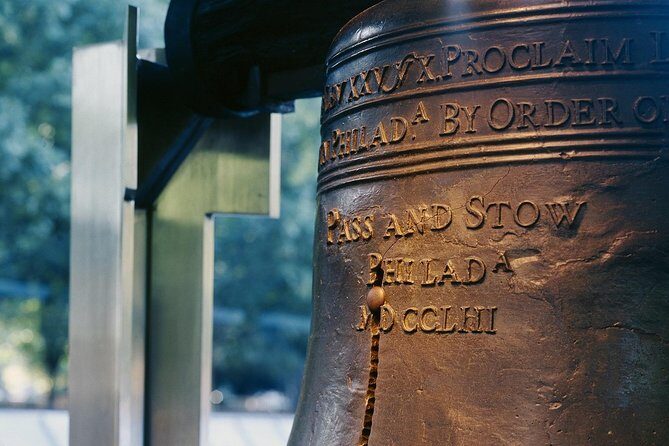
The tour starts at Independence Visitor Center, 599 Market St, with a 2:00 pm start. It ends by the Commodore John Barry Statue, 111 S Independence Mall W, so you finish inside the same busy Independence area rather than getting dropped miles away.
This is set up for a smooth downtown walking rhythm. You’re scheduled for about 2 hours, which usually means you should plan to absorb a lot without expecting long stops at every building. The guide uses each place as a prompt, then moves you on.
Two practical tips:
- Bring water and wear shoes you trust. This is a walking tour with moderate physical fitness recommended.
- If you want the full story, don’t treat it like casual sightseeing. The tour’s value is in the narration at each stop.
Independence Hall Area Stops: President’s House, the Abolition-Era Bell, and Washington Square
The heart of the experience is the Independence area, because that’s where Philadelphia’s power, policies, and public symbolism all come together.
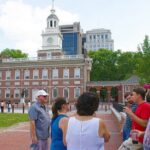
Early on, you’ll be at the area tied to The President’s House. This is the house where the first two presidents lived and where nine enslaved individuals were also present. That detail changes how you see a place that many visitors otherwise treat like a photo stop. It also helps explain why freedom and hypocrisy lived side by side in the same city blocks.
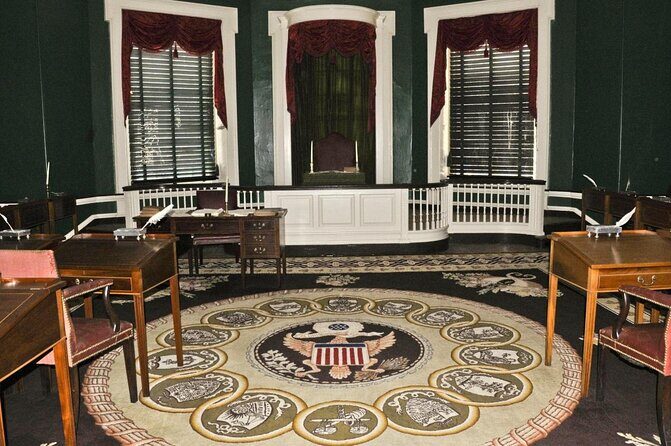
From there, you’ll also hear about the bell that sat atop Independence Hall—a symbol connected to the abolition movement. Even if you’ve seen the Liberty Bell itself in other settings, the tour’s framing gives you a different lens: you’re not just looking at a monument, you’re tracing how symbolic objects carried political meaning.
Then the walk moves toward Washington Square for additional discussion with the guide. This part matters because it keeps the story grounded in the everyday geography of the city, not only the most famous interiors.
Congress Hall and Old City Hall: Learning to Read the City’s Power from the Outside
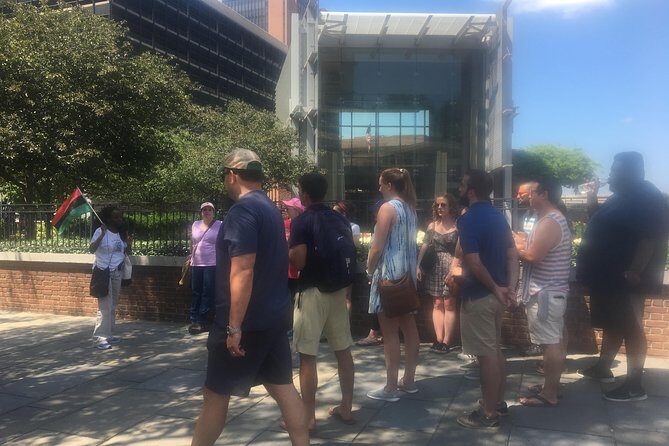
Once you leave the early Independence focus, the route expands through major civic sites. You’ll pass or stop near Congress Hall and Old City Hall, then continue onward through the older civic grid that shaped colonial and early national life.
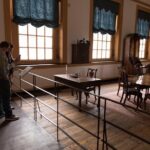
Here’s where the tour shines for me: it helps you understand how power shows up in architecture and layout. Congress Hall and Old City Hall weren’t just buildings—they were settings where decisions affected real lives, including enslaved people and free Black communities.
Even when you can’t see every structure the way it once looked, your guide points out what those spaces meant. If you’ve ever walked past a historic building and felt like the story was missing, this tour is designed to fix that.
Supreme Court, Museums, and Library Hall: Turning Big Names into Real Context
The itinerary includes stops around the First U.S. Supreme Court Building, the American Philosophical Society Museum, and Library Hall, plus the nearby Thomas Jefferson Garden.
Why these stops matter on a Black history tour: early American institutions didn’t develop in a vacuum. They were built during the same centuries where slavery was legal and resistance was punished—yet African Americans still found ways to organize, worship, and advocate for freedom.
At these points, you’ll get the kind of explanation that makes a famous address feel personal. The guide uses the setting to connect the dots between laws, ideas, and who those ideas helped or harmed.
You don’t need to know the founding-era basics to enjoy this. The guide’s job is to translate the city’s institutional vocabulary into clear, human-scale stories.
Other Black history and LGBTQ tours we've reviewed in Philadelphia

Banking on the Same Block: First and Second Bank of the U.S. Through a Freedom Lens
The tour also covers First Bank of the U.S. and Second Bank of the U.S. Walking past major financial power isn’t automatically a “Black history” moment on standard tours. Here, it becomes one because it raises the question: who profited, who was excluded, and how economic life shaped the fight for dignity and survival.
This is also a good section for you if you’re the type who likes cause-and-effect. You’ll start seeing how public policy, wealth, and civic status intersected in the early city—and why freedom wasn’t only a moral debate. It was tied to jobs, property, and access to safety.
Just remember the pacing: it’s two hours total, so absorb what the guide explains and don’t expect deep museum time between stops.
Carpenter’s Hall, Independence Square, and the Freedom-Minded Street Corners
Later you’ll reach Carpenter’s Hall and areas around Independence Square. Even though these are famous Revolutionary-era addresses, this tour keeps shifting the focus back to African-American experiences tied to freedom efforts and resistance.
In practical terms, this section can feel like it’s moving through “top tier history.” In a good way. You’ll be standing in places you’d recognize from books or postcards—but with a guide who keeps you aware of what the city’s official story didn’t fully record.
You’ll also encounter the Tomb of the Unknown Revolutionary War Soldier. That stop works as a pause point, reminding you this city’s early identity is built on conflict, sacrifice, and who gets remembered.
John Todd House, Bishop White House, and the Story-Heavy Small Details
The walk includes John Todd House and the Bishop White House. These aren’t always the first stops visitors pick, but on a guided story tour, they become conversation starters—especially when your guide ties them to the broader Black history theme.
You’ll also hear about the Bicentennial Moon Tree and stop near Dock Creek and Merchant’s Exchange, plus City Tavern. The names sound like ordinary old-city landmarks. The tour’s approach makes them feel like part of a larger network: movement of goods, people, and ideas across the same streets where freedom narratives were taking shape.
If you enjoy history that explains how the city operated day-to-day, these are satisfying stops. If you prefer only major-ticket attractions, you may need to lean into the guide’s storytelling to get full value here.
Former Locations Your Guide Flags: What You Might Miss Without a Pro
One of the most useful parts of the tour is that the guide identifies former locations that matter but may not be obvious today. The tour specifically mentions the Philadelphia Prison Site, Benjamin Rush House Site, Quaker Meeting House Site, and Quaker School Site.
This is where the tour earns real trust. It’s not just showing you buildings that exist. It’s teaching you to notice the places where important events and institutions used to be—and how those locations connect to the lives of enslaved people, people seeking freedom, and communities organizing within constraints.
If you’re the type who likes to return to a city and explore further afterward, this is also a strong payoff. You’ll know what to research next because you’ll have actual, location-based leads.
The Guide Factor: Following Mijuel’s Storytelling and Connecting Past to Now
From the information provided, the tour is led by Mijuel, and the strong feedback consistently points to one thing: the stories feel alive, not like a script. You’ll hear episodes that many people never learn in standard classroom coverage, including escape stories tied to Martha Washington’s household and connections to the Black pastor linked with the founding of the African Methodist Episcopal Church.
I also like that the guide doesn’t keep the story trapped in the past. You’ll hear context for how these histories affect Philadelphia today, including how Black institutions shaped community life over time.
This is especially helpful if you’re visiting the city for the first time or if you’ve visited before but only skimmed the “regular” sightseeing version.
How Long It Really Takes to Feel It: Pace, Group Size, and Comfort
The tour runs about 2 hours and is limited to 40 travelers. For me, that sweet spot matters. Too large and you lose the human thread. Too small and the experience can feel too thin. Here, the cap supports a manageable walk without leaving you feeling like you’re in a private lecture.
The other pacing factor: the route includes a lot of major landmarks and multiple stops. That means you should plan to focus. If you’re the kind of person who needs full silence at each location, this might feel fast.
That said, a tightly run story walk is often the best way to start a Philly trip. You get your bearings fast and you leave with names and places you can chase later on your own.
Price and Value: Why $35 Can Feel Like a Steal Here
At $35 per person, you’re not just paying for a walk between famous stops. You’re paying for a guided narrative that explains:
- how enslaved people lived during colonial-era Philadelphia
- how some people broke free
- how major Black religious and community leaders shaped long-term organizing
- why the city’s famous symbols and institutions need a corrected story
That’s a lot for two hours. And because it’s an in-person guide, you also get the advantage of real-time interpretation, not just a static audio track.
You might also like that the tour uses practical, mobile ticketing and stays inside a compact downtown area. You’re spending your time in story-rich places rather than navigating across the city.
Weather and What to Bring for a Better Walk
This experience requires good weather, and the tour is outdoors for most of the route. So check the forecast the day of your tour and dress for Philly’s moods.
Bring:
- comfortable shoes
- a layer (Independence area winds can surprise you)
- water
If the weather turns, you’ll be offered an alternative date or a full refund, depending on the situation.
Should You Book The Black Journey Philadelphia Walking Tour?
Yes—if you want Philadelphia with the missing pages filled in. This is a strong choice for first-timers because it covers big landmarks like the Liberty Bell and Congress Hall, but it also keeps the focus on African-American experiences through slavery, escape, and institution-building.
Book it especially if:
- you like guided storytelling more than self-guided plaques
- you want a structured way to learn a harder, more accurate version of Philly
- you appreciate small-group attention within a busy downtown route
Skip it if:
- you dislike walking for about two hours and prefer slower, museum-length stops
- you want only major attractions with no former-site pointing or thematic context
If you’re aiming for a Philly trip that actually changes how you see the city, this one is worth your afternoon.
FAQ
How long is the Black Journey walking tour in Philadelphia?
The tour is about 2 hours.
How much does it cost?
The price is $35.00 per person.
Where does the tour start and end?
It starts at Independence Visitor Center, 599 Market St, Philadelphia, PA 19106, and ends at the Commodore John Barry Statue, 111 S Independence Mall W, Philadelphia, PA 19106.
What time does it begin?
The start time listed is 2:00 pm.
What’s included in the tour?
You get an in-person guide, and you’ll have a mobile ticket.
Is there a limit on group size?
Yes. The tour has a maximum of 40 travelers.
Is the tour appropriate for people with limited physical fitness?
The tour recommends a moderate physical fitness level.
Is service animal access allowed?
Service animals are allowed.
What should I do if the weather is bad?
This experience requires good weather. If it’s canceled due to poor weather, you’ll be offered a different date or a full refund.