REVIEW · PHILADELPHIA
Philadelphia: Colonial Philadelphia Walking Tour
Book on GetYourGuide →Operated by phillyPHAT · Bookable on GetYourGuide
History feels close when you walk it. This Colonial Philadelphia walking tour threads together architectural styles and founding-era stories in a route you can actually picture in your head. You start on Elfreth’s Alley, then move through the sites tied to big names like Ben Franklin, the Continental Congress, and the men behind the early U.S. financial system.
What I like most is how the guide links places to people, with a special focus on buildings that survive from the city’s early days around 1682, plus the way stops like Christ Church and Independence Hall make the history feel grounded instead of distant. The only real catch: it’s an outdoor walking tour running rain or shine, and it needs comfortable shoes plus a moderate fitness level.
In This Review
- Key highlights worth knowing
- Starting on Elfreth’s Alley: where colonial Philadelphia still lives
- Christ Church Philadelphia: the churchyard stories you won’t forget
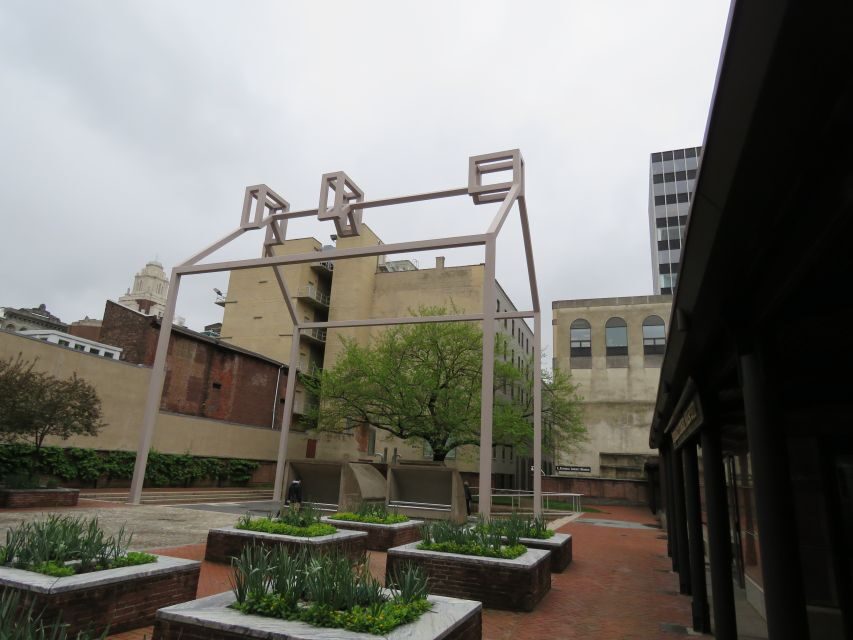
- Franklin Court: seeing the Ben Franklin connection in a small, meaningful space
- Carpenter’s Hall and the 1st Continental Congress: a key meeting place
- First Bank of the United States: Greco-Roman style and American ambition
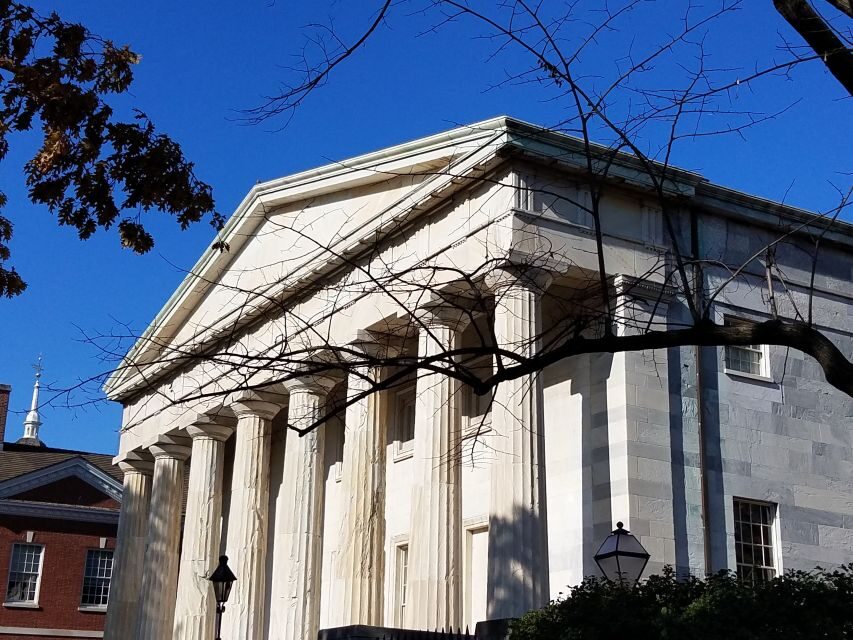
- Second Bank of the United States: the first all-marble facade
- Independence Hall: where the Declaration and Constitution take shape
- How to get the most out of the 2 hours on foot
- Who should choose this Colonial Philadelphia walking tour
- Value check: is $40 a good deal for this route?
- Book it or skip it?
- FAQ
- What is the duration of the Philadelphia Colonial Walking Tour?
- Where does the tour start?
- How long are the main stops?
- Is the tour indoors?
- What landmarks will I see during the tour?
- Does the tour include architecture or design details?
- Is there time to discuss Ben Franklin and Alexander Hamilton?
- What should I bring?
- Who is the tour guide?
Key highlights worth knowing
- Elfreth’s Alley first: start on America’s oldest continuously inhabited residential street
- Founders in the churchyard: learn who’s buried at Christ Church and why it matters
- Franklin’s place: see the area connected to where Ben Franklin lived, and hear the story behind it
- Congress meets here: Carpenter’s Hall connects you to the 1st Continental Congress
- Banking and architecture: spot how the First and Second Banks project power through facades
- One finish, two documents: Independence Hall ties together the Declaration and Constitution, 11 years apart
Starting on Elfreth’s Alley: where colonial Philadelphia still lives
The tour kicks off at 100 Elfreth’s Alley, and I love that you begin with a street instead of a monument. Elfreth’s Alley is famous for a reason: it’s widely known as the oldest continuously inhabited residential street in America, and walking it gives you an immediate sense of scale. These aren’t “in theory” houses; they’re the kind you can imagine being lived in, day after day, for generations.
You’ll also get your bearings early on the bigger theme of the tour: Philadelphia’s early look and feel. The guide talks about how you’re seeing architectural styles from different eras—Georgian, Federal, and Revival—so you start noticing details you’d otherwise pass right by. Even if you’re not an architecture person, this approach works because it turns “pretty buildings” into clues about the city’s priorities as it grew.
Expect about 40 minutes here, which is smart. It gives time to slow down, absorb the street, and connect the rest of the route to what you’re seeing in real time.
Other Founding Fathers and Revolutionary history tours we've reviewed in Philadelphia
Christ Church Philadelphia: the churchyard stories you won’t forget
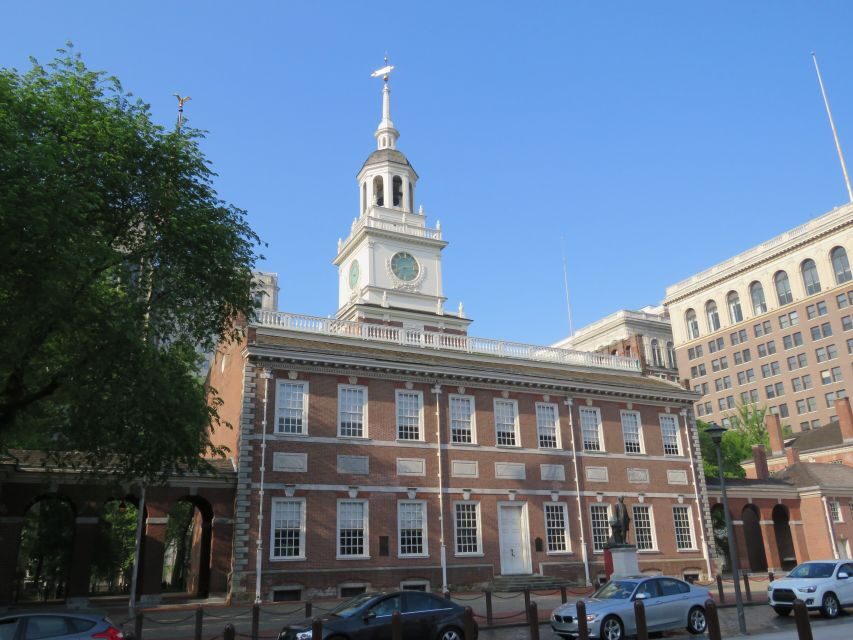
Next you head to Christ Church Philadelphia, with a stop time of about 25 minutes. This part is where the tour shifts from “town scenery” into “people who shaped the country.” In the churchyard, you’ll learn about major figures buried there, including Andrew Hamilton, Pierce Butler, and Robert Morris.
That list alone is worth showing up for, but what makes this stop click is the way it adds weight to the names you’ve heard in classrooms. You’re not just learning famous roles; you’re seeing the long shadow of real lives—who’s tied to Philadelphia’s early politics, finance, and leadership. And because the focus stays on place, the stories tend to stick better than dates alone.
One practical note: this is still outdoors. Wear shoes that won’t punish you after a couple of hours on pavement, because your attention won’t help your feet.
Franklin Court: seeing the Ben Franklin connection in a small, meaningful space
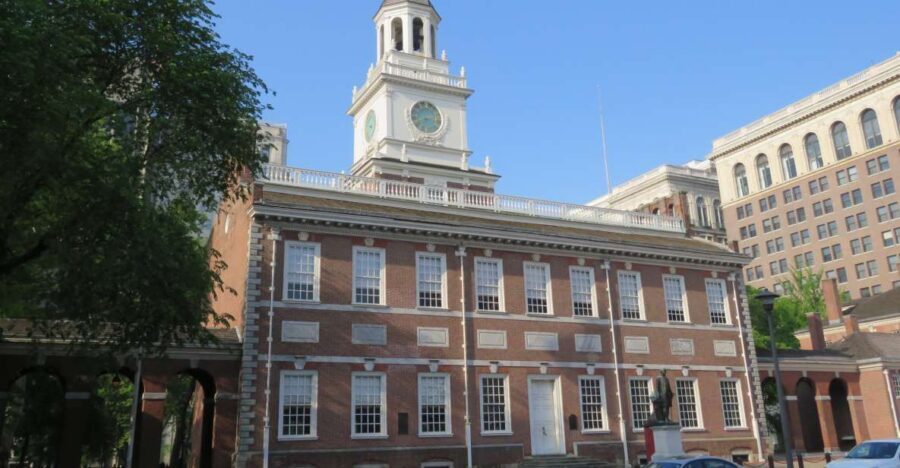
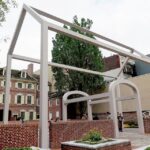
After Christ Church, the route moves to Franklin Court, another roughly 25-minute block. This stop is about Ben Franklin—where he lived, and the broader arc of his life story.
Franklin Court is the kind of place where you can understand why guides like to slow down here. You get a compact setting with strong associations, so you can connect Franklin the thinker to Franklin the practical builder of networks: politics, print, invention, and public life. If you’ve ever wondered how one person could touch so many parts of early America, this stop helps it feel more logical.
You’ll spend enough time to hear the story clearly, but not so long that you lose momentum before the bigger landmarks.
Carpenter’s Hall and the 1st Continental Congress: a key meeting place
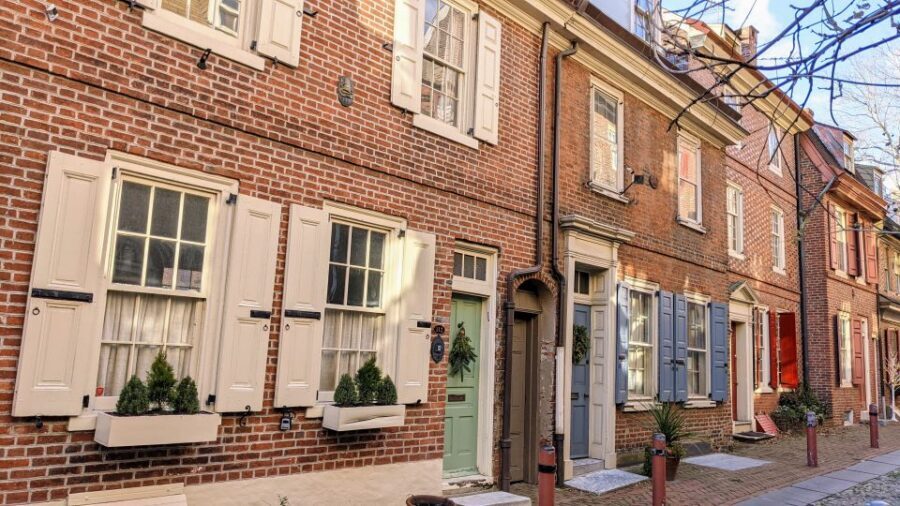
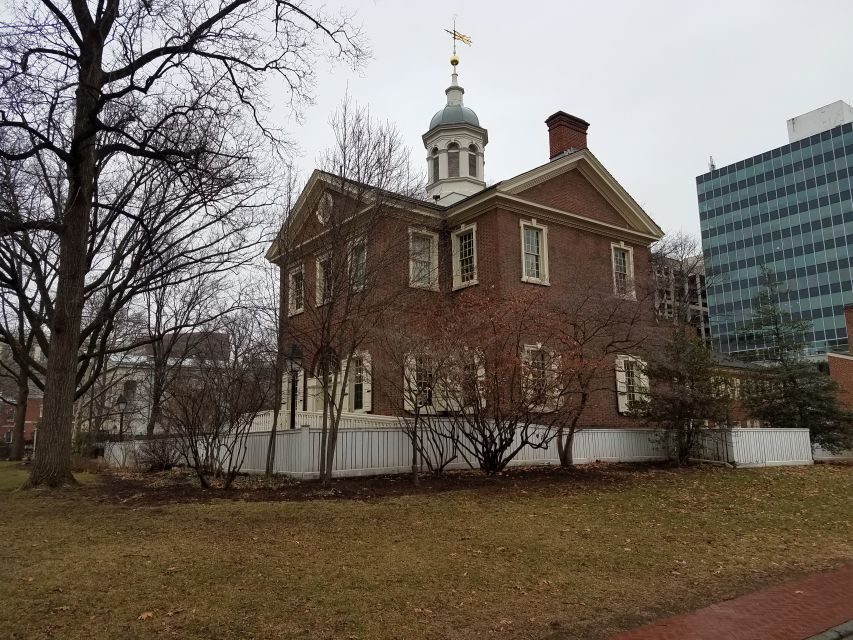
From Franklin Court, it’s on to Carpenter’s Hall for about 15 minutes. This is one of those stops that feels short on the schedule, but it’s packed with meaning. This is the home associated with the 1st Continental Congress, so the guide’s job here is to help you visualize what kind of meeting environment it was—serious, political, and loaded with stakes.
If you care about the moment when a loose collection of colonies started acting like a single political unit, this is a crucial stop. The tour’s value isn’t just that it names the site. It’s that you’re walking a line through Philadelphia’s evolution: early residential street life, influential church links, then direct paths into governance.
Even with a short stop time, it works because you’ve already learned how to “read” buildings and settings. Now you’re applying that skill to politics.
First Bank of the United States: Greco-Roman style and American ambition
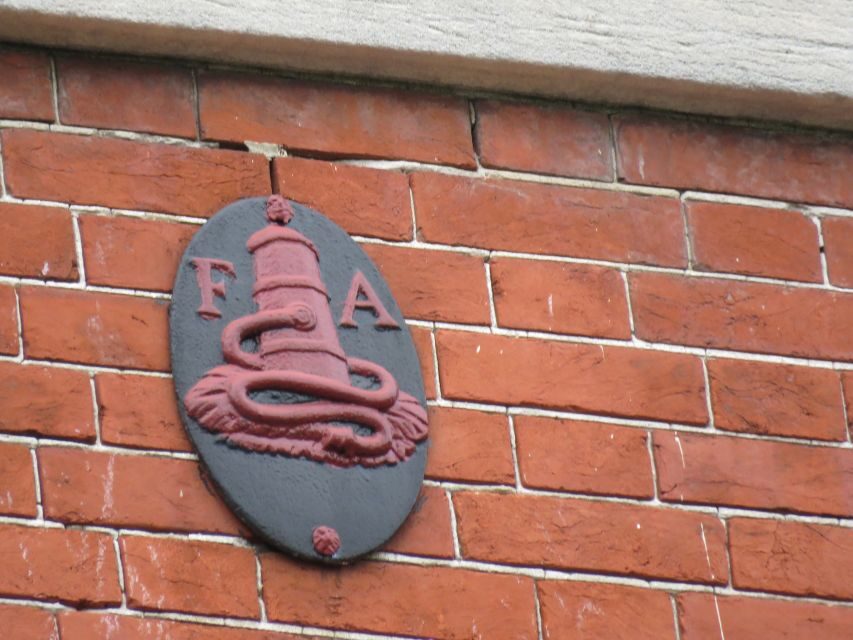
Next comes a jump from political meetings to money. You’ll see the First Bank of the United States for about 15 minutes. The standout detail here is its Greco-Roman facade—an architectural choice that signals seriousness and authority.
This is a great example of how architecture can be political without ever saying a word. When early American leaders chose classical design language, they weren’t just picking something pretty. They were borrowing a visual vocabulary associated with law, civic virtue, and permanence. In other words: this wasn’t just banking; it was a message about the new country trying to look stable.
As you pass by the surrounding areas, you’ll also hear about where Alexander Hamilton lived as well as the presence of the Dolly Todd House, plus references to Hamilton and his mistress. Those details add a human layer that keeps the story from becoming only about institutions. It’s history with real people tangled up in it.
Other walking tours we've reviewed in Philadelphia




Second Bank of the United States: the first all-marble facade
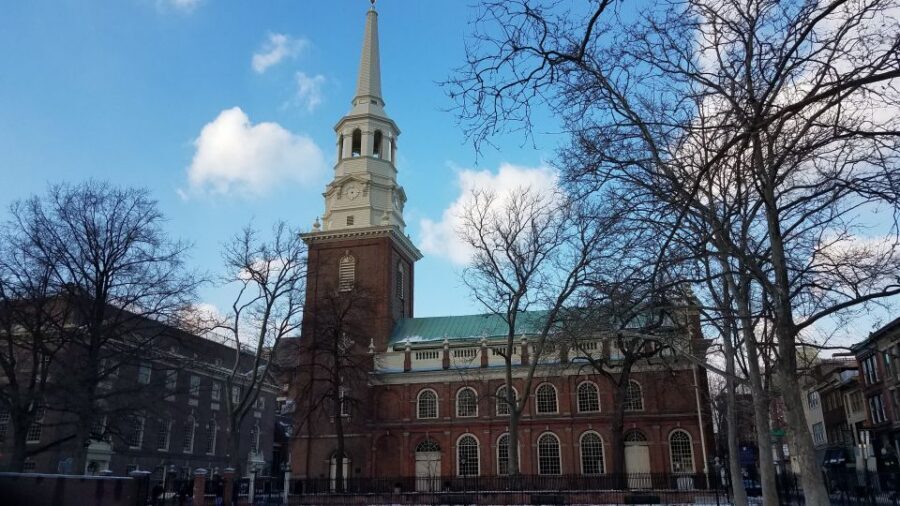
After that, the route goes to the Second Bank of the United States for about 10 minutes. This is one of the tour’s quick-hit stops, but it has an easy-to-grasp reason for being memorable: it’s described as the first all-marble facade in America.
Marble is the kind of material that reads as “durable and important” from across a street. And that matters because early U.S. finance needed public trust. A bank that looks temporary makes people nervous. A bank that looks like it belongs to a lasting system invites confidence.
This stop also plays well with the one before it. You start to see a theme: government and finance using architecture to communicate stability—then the tour steers you toward the ultimate symbol of political independence.
Independence Hall: where the Declaration and Constitution take shape
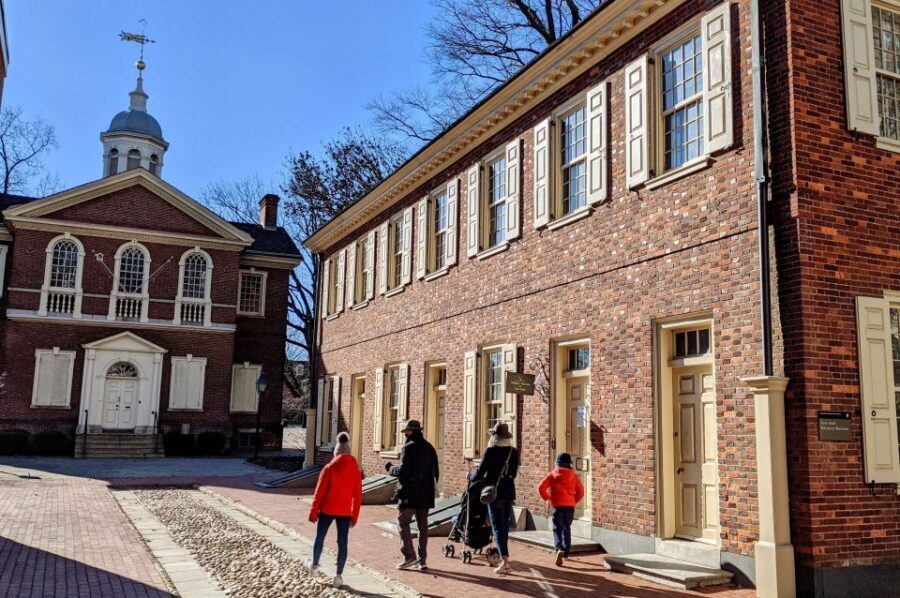
Finally, you end at Independence Hall. Expect to spend time here—enough to make the last portion feel like a payoff rather than a blur.
Independence Hall is the home tied to the 2nd Continental Congress. And it’s where the Declaration of Independence and the Constitution were created and signed about 11 years apart. That pairing is powerful, because it turns a big headline site into a timeline you can hold in your head: first the break, then the blueprint for governing.
What I like about finishing here is that you’ve already learned how the route connects ideas across decades—trade and street life, then churchyard legacy, then congress, then banks, then the documents. When you reach Independence Hall, it doesn’t feel like the “only thing that matters.” It feels like the culmination of a long build.
If you want to squeeze extra value out of the ending, slow down and read the space with your guide’s framing in mind. You’ll catch more than just the landmark name.
How to get the most out of the 2 hours on foot
This is a walking tour designed for people who like history and architecture, but it’s also practical about pace. It lasts about 2 hours to around 150 minutes, and it’s set up as a guided sequence of short-to-medium stops.
A few things that will help you enjoy it more:
- Bring comfortable shoes. You’re on sidewalks for the full route, and the ground adds up.
- Wear outdoor clothing. It runs rain or shine.
- Keep your smartphone charged, since you’ll probably want to take reference photos as you go.
- Aim to arrive about 10 minutes early at the meeting point (100 Elfreth’s Alley), so you start calmly instead of rushing.
One more tip: if architecture details are new to you, don’t try to memorize terms. Let the guide’s examples do the heavy lifting. Look for simple contrasts you can see—styles, materials, and the way buildings try to project authority.
Who should choose this Colonial Philadelphia walking tour
This is a good fit if you want a tight, readable route through founding-era Philadelphia without needing a full-day commitment. I’d especially recommend it for:
- History lovers who like a guided story tied directly to the places themselves
- Architecture fans who enjoy learning how styles like Georgian and Federal show up in real streets
- People who want both politics and everyday context, since the route starts on a lived-in residential street
It’s also worth knowing who it may not suit. The tour isn’t listed as suitable for children under 10, and it isn’t designed for people with mobility impairments or wheelchair users.
Value check: is $40 a good deal for this route?
For $40 per person, you’re paying for a focused 2-hour walking experience with an architect/historian tour guide. The value comes from density: you cover major sites tied to key moments—Elfreth’s Alley, Christ Church, Franklin Court, Carpenter’s Hall, the two banks, and Independence Hall—without long transfers.
This price makes sense when you consider what you’re getting:
- A compact route through several landmark-level stops
- A guide who can explain why buildings look the way they do, not just what happened there
- Small groups or private options, which usually means more back-and-forth instead of a lecture from the front
In short: if you’re in the area and want a curated walk that connects architecture, people, and politics, this is a reasonable spend.
Book it or skip it?
I’d book it if you’re the type who enjoys walking between important places and learning what the details mean. The strongest reason to choose it is the way the tour connects names to settings—Hamilton and banking architecture, Franklin and his life story at Franklin Court, and the political climax at Independence Hall.
Skip it if you hate walking, need indoor-only options, or prefer self-guided experiences where you can roam slowly at your own pace.
FAQ
What is the duration of the Philadelphia Colonial Walking Tour?
It runs about 2 hours, with a duration listed as 2 hours to around 150 minutes.
Where does the tour start?
The meeting point is at 100 Elfreth’s Alley.
How long are the main stops?
The time varies by stop, with Elfreth’s Alley around 40 minutes and shorter visits at Christ Church, Franklin Court, and the banks, before finishing at Independence Hall.
Is the tour indoors?
No. It takes place outdoors and operates rain or shine.
What landmarks will I see during the tour?
You’ll see Elfreth’s Alley, Christ Church and its churchyard, Franklin Court, Carpenter’s Hall, the First Bank of the United States, the Second Bank of the United States, and you’ll finish at Independence Hall.
Does the tour include architecture or design details?
Yes. You’ll learn about architectural styles including Georgian, Federal, and Revival.
Is there time to discuss Ben Franklin and Alexander Hamilton?
Yes. The route includes Franklin Court for Ben Franklin, and it also covers Alexander Hamilton, including references tied to the banks.
What should I bring?
Bring comfortable shoes, outdoor clothing, and a charged smartphone.
Who is the tour guide?
The tour includes a tour guide who is described as an architect/historian. One reviewer mentioned a retired architect named Reid.