REVIEW · PHILADELPHIA
Philadelphia: Double-Decker Hop-on Hop-off Sightseeing Tour
Book on GetYourGuide →Operated by Philadelphia City Sightseeing · Bookable on GetYourGuide
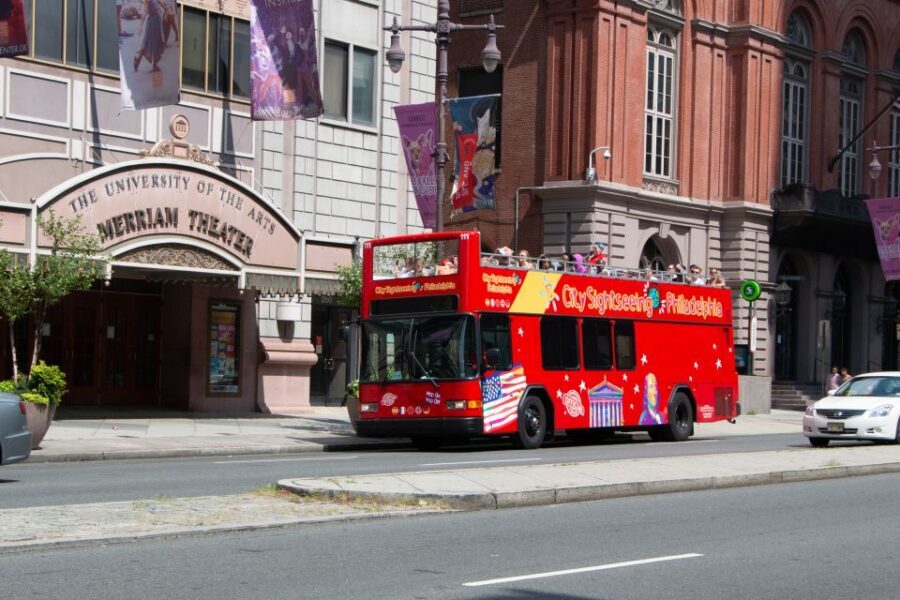
Two decks, one great way to learn Philly fast. This hop-on hop-off bus turns the city’s biggest “how America began” landmarks into an easy photo-and-explore day, with an open-top ride and multilingual audio along the way. You start near Independence Hall and the Liberty Bell, and the route keeps looping past neighborhoods and institutions that are hard to stitch together on foot.
I especially love two things: first, the chance to build a plan as you go—ride the 90-minute loop, hop off at the stops that grab you, and then get back on when you’re done. Second, the mix of headline history and unexpected stops, from the Betsy Ross House area to the Rocky Steps and even museums like the Mutter Museum and Barnes-adjacent art stops near Franklin Parkway.
One drawback to keep in mind: traffic and crowds can slow the pace between stops. Some people noted longer waits at certain stops, and spacing between departures can stretch when roads get jammed—so give yourself breathing room if you’re connecting to timed tickets.
In This Review
- Key things to know before you ride
- Getting oriented at the Bourse Building and the open-top top deck
- Route value: 16 miles, 26 stops, and a 90-minute loop you can repeat
- Independence Hall to the Liberty Bell: where the tour starts strong
- Betsy Ross House, the Constitution Center, and the founding-era story in motion
- Chinatown, Reading Terminal Market, and Love Park stop-your-camera moments
- Churches, City Hall views, and the Benjamin Franklin Parkway museum stretch
- Rodin Museum, Eastern State Penitentiary, and the stops that feel like a movie
- Rocky Steps and the Philadelphia Museum of Art: the 72 stone stair climb
- Franklin Institute, Mutter Museum, and the fun mix of science and oddball history
- Society Hill, Antique Row, and the Delaware River finale mood
- How the live guides and audio shape your experience
- Price and pass length: $39 and what you actually get for it
- Practical tips to make your hop-on hop-off day easier
- Should you book the Philadelphia Double-Decker Hop-on Hop-off?
Key things to know before you ride
- Independence Hall start: You begin at the Bourse Building, conveniently across from Independence Hall and the Liberty Bell area.
- Real flexibility: Your ticket works for 1, 2, or 3 days, so you can do a full loop first and then target the best stops.
- Top-deck views: It’s an open-top, double-decker bus, ideal for skyline angles and landmark photos.
- Rocky Steps are a full mission: You can hop to the 72 stone steps and the famous statue area without planning transit.
- Museums without the headache: Benjamin Franklin Parkway stops make it easier to hit multiple museums in one trip.
- Hands-on practical heads-up: Some reported issues hearing certain audio outputs on the bus top; plan to double-check your seat if audio matters a lot.
Getting oriented at the Bourse Building and the open-top top deck
Your day starts around the heart of the story. The meeting point is at the Bourse Building area, placed across from Independence Hall and the Liberty Bell. That’s a smart setup because you get immediate context for the city’s “founding” theme before you even move more than a few blocks.
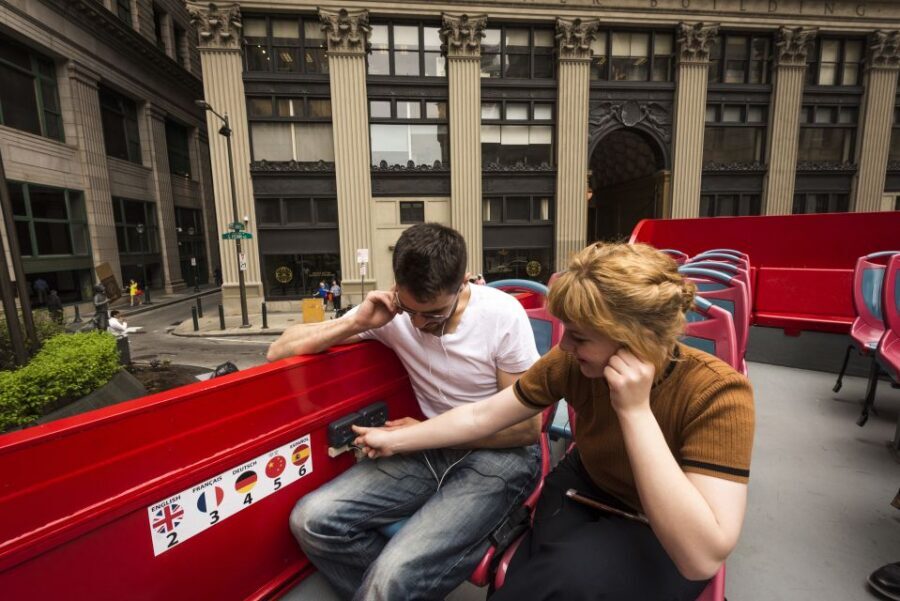
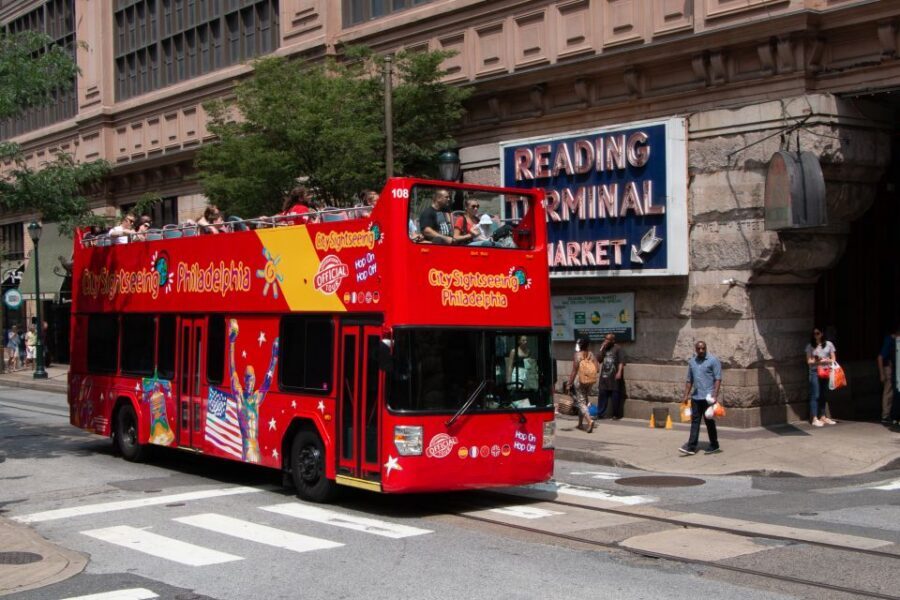
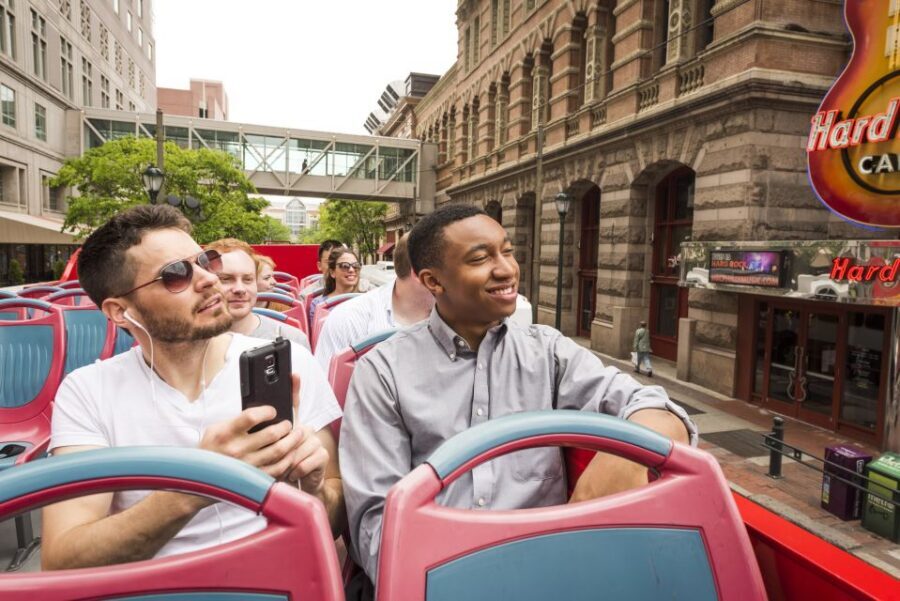
Once you board, the top deck is where you’ll want to be for the best views. It’s built for sightseeing—big sightlines, lots of landmark angles, and the feeling that you’re watching the city roll by instead of getting stuck in it. The bus also has multilingual audio running while you ride, so you’re not stuck with only one language option.
A final orientation note: the route includes lots of classic city landmarks, but it’s still a bus ride in a real city with power lines and street trees. One rider joked about needing to duck near a power line. I’d say take that as a reminder to keep your posture mindful on the top deck, especially if you’re tall.
Other hop-on hop-off bus tours we've reviewed in Philadelphia
Route value: 16 miles, 26 stops, and a 90-minute loop you can repeat
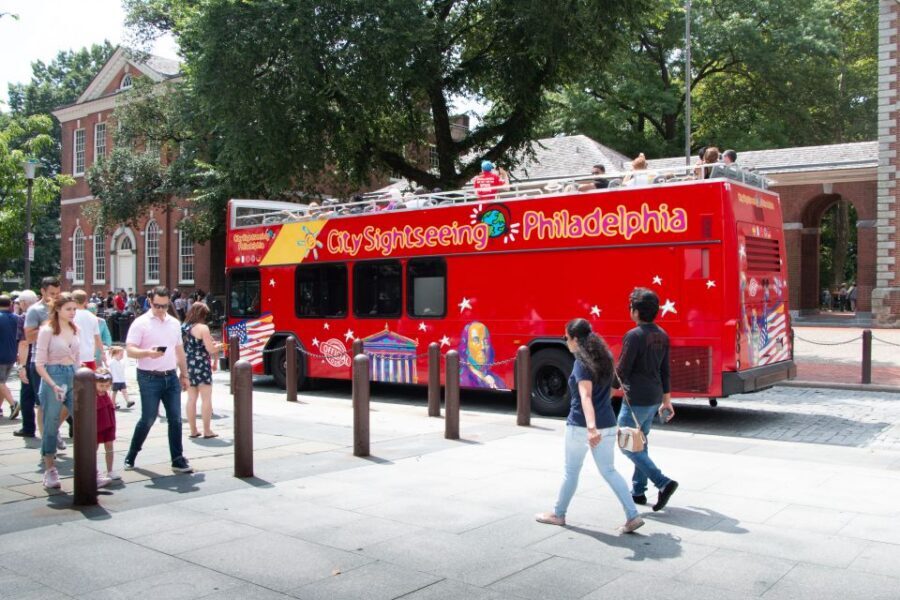
This tour is designed for efficiency. The ride is described as a 16-mile journey with 26 stops where you can hop on and off, and the loop itself runs about 90 minutes. The practical win is that you can see a wide geographic spread without constantly crossing streets, waiting for rides, or backtracking.
The schedule matters too. 90-minute tours depart every 30 minutes from 10:00 AM to 4:30 PM (from the first stop). In a perfect world, you’d hop off, explore for a while, and return within a predictable window. In reality, traffic and detours can stretch timing, and a few riders reported longer gaps between buses at certain stops. My advice: treat the departure rhythm as a guide, not a guarantee.
If you’re short on time, I’d do it this way:
- Ride the full loop first to get your bearings.
- Then use your extra time to hop off at the places that match your interests.
This approach shows up again and again in rider comments—people liked doing the entire route first, then deciding where to spend more time.
Independence Hall to the Liberty Bell: where the tour starts strong
The early stretch sets the tone. Starting near the Bourse Building means you immediately move through the “founding America” corridor—Independence Hall, the Liberty Bell, and the surrounding landmarks that define Philadelphia’s early identity.
From there, you’ll pass major related sites on the way toward the Liberty Bell. The tour is timed for sightseeing rather than lingering on details, which is exactly what you want on a hop-on hop-off bus. You’ll get the visuals and the context while you’re in motion, and you can choose later if you want to slow down more at a specific stop.
A tip that will help you feel less rushed: plan to take a few photos while you’re rolling past. The open-top deck gives you a clean shot of many landmark facades and street scenes, so you’re less dependent on perfect timing once the bus stops.
Betsy Ross House, the Constitution Center, and the founding-era story in motion
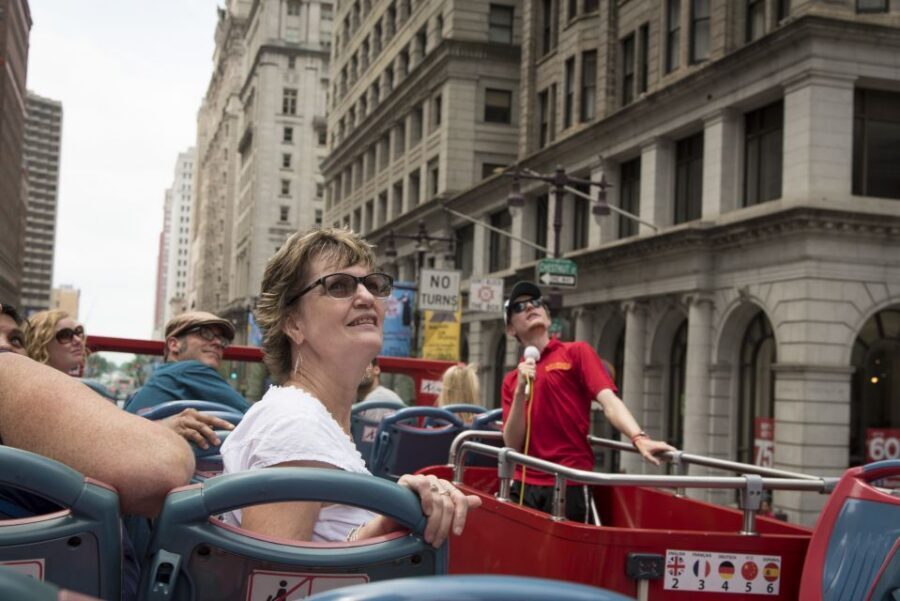
Some bus tours stop at “pretty buildings.” This one tries to connect the history. Stops around the Betsy Ross House and the National Constitution Center help you connect independence-era storylines with the Constitution-era ones—especially useful if your trip is short.
You’ll also see how the tour threads the city’s timeline into neighborhoods and streets. The narration and audio are there to keep you from zoning out while you ride. And the way the route is laid out means you can hop off where you want more depth, then get back on without having to recreate your whole transit plan.
I like this format because it matches how most visitors actually travel: you learn the big ideas first, then you decide what to study deeper once you’re on the ground.
Chinatown, Reading Terminal Market, and Love Park stop-your-camera moments
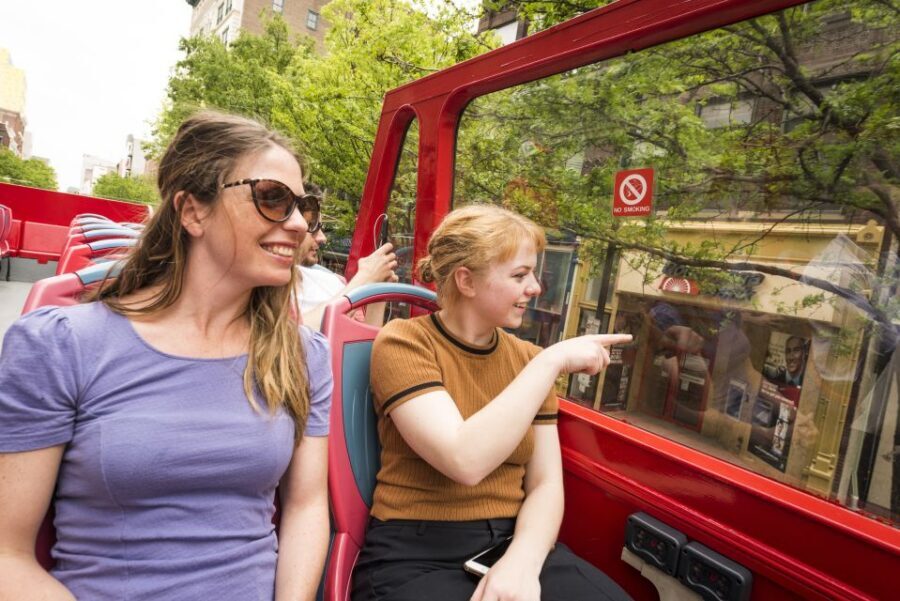
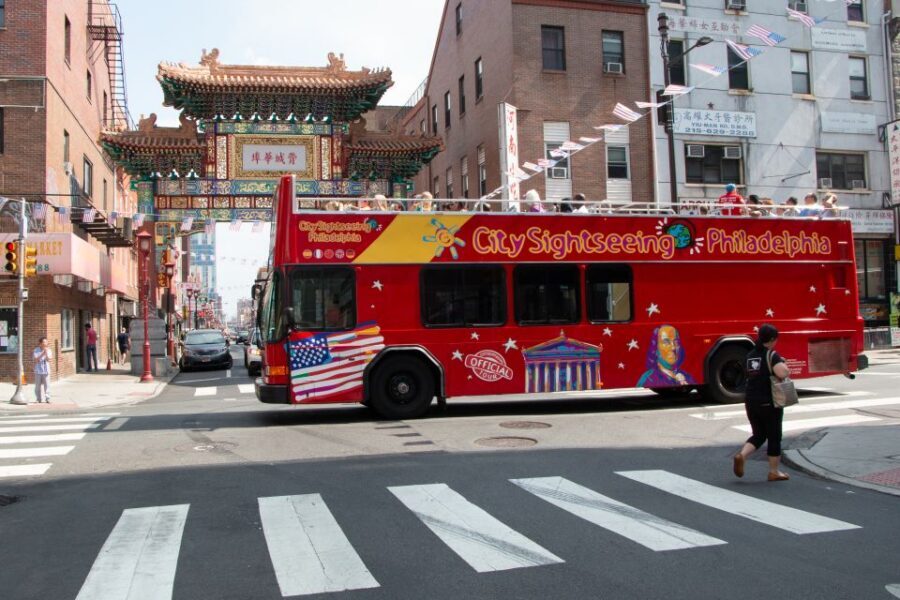
Philadelphia has neighborhoods that feel different block to block, and this route gives you entry points. The bus passes through Chinatown, including references to a Friendship Gate in the area, so you get a sense of how the city’s cultural sections connect to the historic core.
Then comes one of the most practical and fun stops: Reading Terminal Market. Even if you don’t plan to eat a full meal, it’s a great place to hop off for snacks, coffee, and a quick look at the market’s energy. The tour can help you time a break without eating up your whole day on transit.
Nearby, Love Park is a classic photo stop. People love it because it’s easy to spot and easy to turn into a quick “stretch your legs” window before you continue.
One practical heads-up: if you’re hopping off for anything timed—like a museum visit right after—give yourself extra time. Some riders reported longer waits at particular stops, and waiting longer is more annoying when you’ve scheduled something right after.


Churches, City Hall views, and the Benjamin Franklin Parkway museum stretch
A huge reason this tour is good value is that it brings you to a cluster of major institutions. You’ll pass or stop near spots like the Cathedral Basilica and you’ll ride past City Hall, including the kind of grand architecture viewing that’s hard to appreciate from a car window.
Then you hit the museum belt along Benjamin Franklin Parkway. This area is built for museum-hopping, and the bus route makes it less stressful. Depending on where you hop off, you can hit museums and cultural sites without planning routes between them.
One stop that gets special mention is the Barnes Foundation area. Even if you don’t go inside every museum, knowing that the route connects you to places like the Barnes-adjacent world of art helps you plan a day around your interests.
Also worth noting: the route includes stops tied to real Philly institutions, including the Franklin Institute and the Mutter Museum. Those are very different types of attractions, which means you can mix science, quirky artifacts, and history in a single day rather than choosing only one lane.
Rodin Museum, Eastern State Penitentiary, and the stops that feel like a movie
Some places on the route turn the city into a story you can feel. The Rodin Museum is a calmer, art-and-sculpture stop that works well if you want a break from the louder “big landmark” rhythm.
Then you’ll roll to Eastern State Penitentiary, one of the most dramatic stops on the circuit. It’s the kind of place where the visual impact hits first, and the narration context helps second. On this kind of bus tour, that balance matters: you want a stop that’s worth the hop-off, and Eastern State is exactly that.
A practical tip for stops like this: wear comfortable shoes and be ready for walking once you’re off. The bus gets you close, but you still have to do the exploring on foot.
If you’re worried about how long you’ll spend at each stop, that’s another reason the 2-3 day ticket can be worth it. On a longer ticket, you can return to the places that pulled you in without squeezing everything into one rigid day.
Rocky Steps and the Philadelphia Museum of Art: the 72 stone stair climb
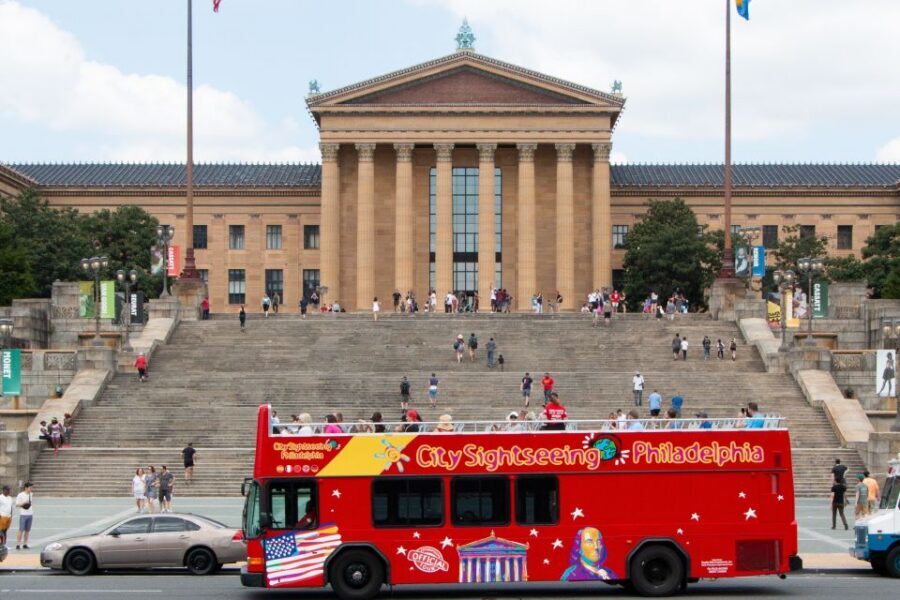
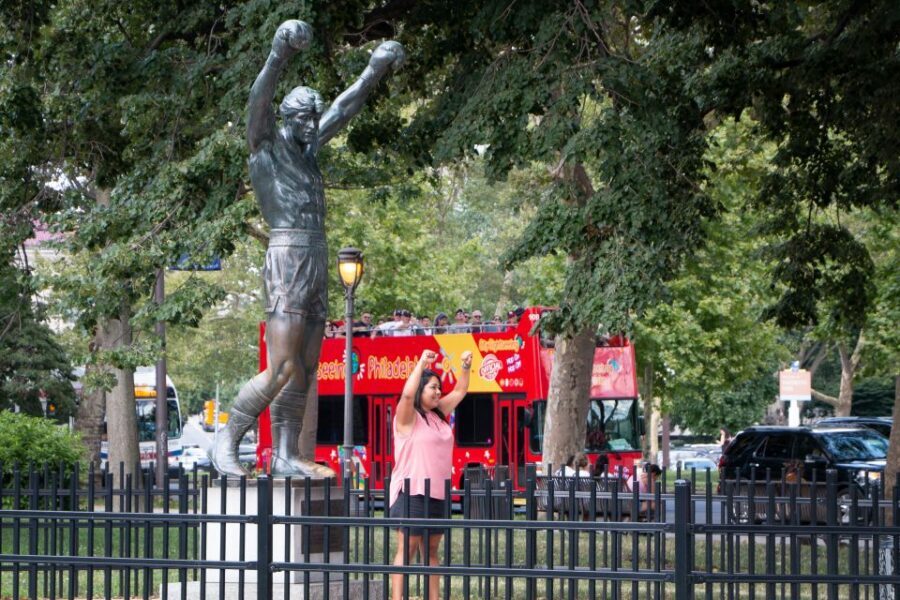
Let’s talk about the reason many people sign up. The bus takes you to the area of the Rocky Steps, specifically the famous 72 stone steps and the statue setting. This is one of those “you have to try it” experiences, even if you’re not a boxing fan.
The tour structure helps you do it with less hassle. You can hop off near the museum area, plan your stair climb, and then hop back on when you’re done. That beats trying to arrange rides or guess transit timing when you’re moving between the museum block and other sights.
One note from a rider: the tour made the Rocky Steps easier because it’s a ways out from some of the main historic core areas. I agree with the logic—this is exactly where a hop-on bus saves time.
Pro move: go early in the day if you can, for nicer walking conditions and fewer crowd bottlenecks. If you can’t, don’t stress. The top deck views and the surrounding museum area still give you plenty to enjoy.
Franklin Institute, Mutter Museum, and the fun mix of science and oddball history
This route doesn’t just stick to “founding fathers.” It also connects you with Philly’s science and museum culture.
- Franklin Institute: A hands-on style museum stop that fits families and curious adults alike, and it’s located where the Parkway walking feels reasonable.
- Mutter Museum: Often a stop people either love instantly or want to skip if that kind of exhibit isn’t their thing.
The best part is the option to mix and match. If you’re the type who likes one big history site plus one very different museum, this itinerary supports that. If you prefer multiple museums in a row, the bus route lets you string stops together along the same corridor.
Some riders specifically praised the tour for making it easy to hop off and back on to museums, then continue the loop. That’s the core value here: you’re not committing to one single attraction for the entire day.
Society Hill, Antique Row, and the Delaware River finale mood
As you move away from the most famous blocks, you get a more residential feel. The route includes Society Hill and Antique Row area stops—places where you can step into a quieter Philly vibe and see how the city balances historic charm with daily life.
Later, you head toward Penn’s Landing and the riverfront atmosphere along the Delaware River. This is a great end-of-day zone because the views and the space help you decompress after a day of major stops. Even if you don’t spend hours at each riverfront stop, the hop-off option gives you a low-stress way to enjoy the city outside the core museum grid.
War memorials also appear on the route, including a Korean War Memorial Park stop and nearby memorials. That adds a reflective tone to the ride, especially if you’ve also hit more “celebration and invention” parts of the city earlier.
How the live guides and audio shape your experience
The narration is a big part of why this tour works. You get a live tour guide in English, plus multilingual audio options including Spanish, French, German, Chinese, Korean, Portuguese, Japanese, Hindi.
In rider comments, I noticed a strong theme: people liked the personality of the guide, not just the facts. Names came up like Harris, John, Mat (Matthew), Sé-bastian, and Mike—with repeated praise for humor and energy, plus smooth explanations of the buildings and neighborhood context.
You should also know there are a few audio-related reality checks. Some people reported that multilingual audio outlets weren’t working properly on their bus, and others said they couldn’t hear the audio clearly in the end portion. If audio matters for you, I’d pick a seat where you can test quickly once you’re onboard.
And yes, the bus experience is also about the driver. Some riders credited drivers for handling traffic through narrow streets and even working around protests near City Hall. That matters because it affects how smooth the day feels.
Price and pass length: $39 and what you actually get for it
At $39 per person, the tour price can be a good deal because it bundles transport + narration + a structured route through widely scattered sights.
Here’s how I’d judge value:
- If you have only one day, a full loop can help you decide where to return on your own (or which museum tickets you can realistically fit).
- If you have two or three days, the pass becomes more powerful. You can do one full loop early, then focus time on 5–8 stops instead of trying to do everything in one go.
That’s where people often find the biggest payoff: a 2-day or 3-day pass turns the bus into your moving backbone. You’re not just sightseeing from the top; you’re using the schedule to guide your walking days.
Just don’t pretend it eliminates time costs. Waiting between buses and traffic slowdowns can happen. If you’re the kind of traveler who needs exact minute-by-minute plans, build in buffers.
Practical tips to make your hop-on hop-off day easier
A few small choices can make a big difference on an open-top bus day.
Wear comfortable shoes. Even if you’re only hopping off briefly, you’ll walk more than you expect—especially around the museum area and the Rocky Steps stop. Bring a light layer if the weather shifts, and plan for sun exposure on the top deck.
If you care about audio: pick a seat where you can hear the narration clearly, and if multilingual audio equipment looks questionable, adjust before you commit to a long stretch.
Timing-wise, I recommend planning your “must do” stop earlier in the day. Some riders reported longer waits at specific stops like Love Park, and that’s exactly the kind of delay that can mess up a tight schedule.
Finally, keep one eye on the sky on the top deck. Street height and power lines aren’t a “tour problem,” but they’re a reality of riding at height. Duck as needed, like one rider joked you might.
Should you book the Philadelphia Double-Decker Hop-on Hop-off?
Book it if you want a stress-light way to see the big Philadelphia hits—Independence Hall area, the Liberty Bell, Betsy Ross House, the Rocky Steps, plus museum stops like the Franklin Institute and Mutter Museum—with the flexibility to change plans on the fly.
Skip it if you hate bus tours, dislike waiting around, or want a deep, guided, inside-the-building experience at every stop. This is best at helping you choose and orient, then letting you spend your energy where you actually want to linger.
If you’re spending a short trip in Philly, I’d treat this as your front-row orientation. It helps you learn the city’s storyline fast, and it gives you a practical map of what to explore next.