REVIEW · PHILADELPHIA
Double Decker Hop-On Hop-Off City Sightseeing Philadelphia (1, 2, or 3-Day)
Book on Viator →Operated by Philadelphia Sightseeing Tours · Bookable on Viator
Philadelphia is best seen in bite-size chunks. This hop-on hop-off bus turns your day into an easy, logical route, with live narration and audio in multiple languages. You can choose what to see up close, and when to move on, without wrestling with transit or timing every museum.
Two things I really like: the mix of live guide talk plus audio (so you can switch between stories and your own pace), and the simple freedom to hop off at the stops that match your interests, from Love Park to the Liberty Bell. One drawback to plan around: the experience is highly weather-dependent, and some riders report that rain can make the ride less comfortable—so bring a poncho and don’t count on getting perfect photos from the moving bus.
In This Review
- Key things to know before you ride
- Why a hop-on hop-off bus makes sense in Philadelphia
- The key is Stop 1: how to start without stress
- Bourse to Chinatown: the Center City and Old City storyline
- Rodin Museum to Eastern State: museums, monuments, and the “Philly moment”
- Franklin Institute to Penn’s Landing: science, odd museums, and big-city views
- Liberty Bell finale: how to end strong on the route
- How to use a 1, 2, or 3-day pass without wasting time
- Getting the most from live guides and audio
- Practical tips: tickets, stop numbers, photos, and weather
- Is this tour worth booking for your Philly trip?
- FAQ
- How long is the hop-on hop-off loop?
- What time does the tour start?
- Where do I meet the tour?
- Are audio guides included, and what languages are available?
- Is admission to attractions included?
- How many days are the tickets valid?
- Can I hop off and get back on later?
- Do I need a mobile ticket?
- Is service available for people traveling with service animals?
- Does the tour run in bad weather?
Key things to know before you ride
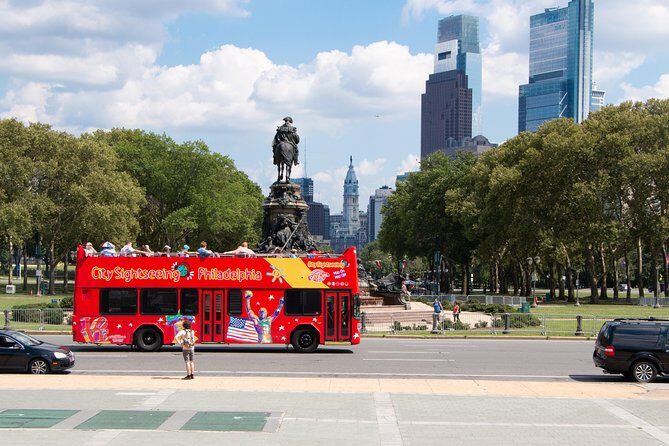
- Live commentary for the 1.5-hour loop, covering a long stretch of central Philadelphia
- 1, 2, or 3-day passes, so you can repeat areas and slow down where you care most
- Audio guides in five languages (English, French, German, Spanish, Mandarin)
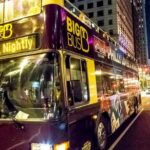
- A London-style double-decker bus for classic city views
- 100+ attractions passed along the route, with stops that land you near major landmarks
- Admission is not included for museums and special sites, so plan a few paid add-ons
Why a hop-on hop-off bus makes sense in Philadelphia
Philadelphia can feel big until you find a rhythm. This tour gives you one. You start with a structured loop that lines up the big-name sights and a bunch of the “you should see this” stops in between. Then you decide how long you want to stay at each place.
I like that the bus covers both the postcard stops and the practical ones. For example, you’re near the markets and the museums, plus major civic landmarks. That matters because the easiest day trips aren’t always the ones with the most walking—they’re the ones where you can eat, take photos, and still make it to your next priority.
You also get options for learning. Live narration runs through the loop, and you’ve got audio support in multiple languages. If you’re traveling with different language needs, that can save you from splitting up or missing key context.
Other hop-on hop-off bus tours we've reviewed in Philadelphia

The key is Stop 1: how to start without stress
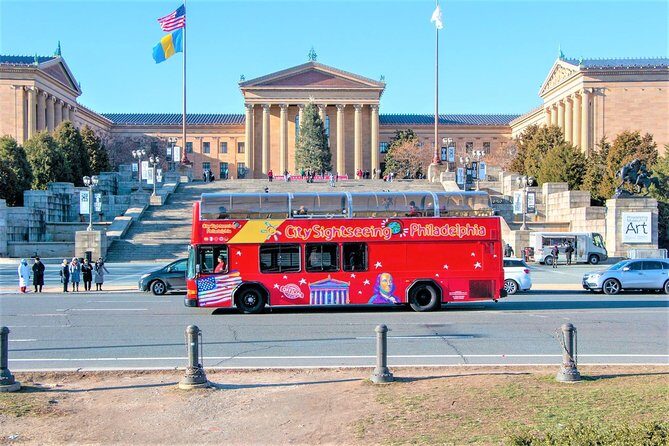
The tour starts at 9:30 am from the City Sightseeing kiosk at the Bourse Building (Stop 1). That starting point matters more than people expect. More than once, riders end up delayed because they try to join at another stop instead of beginning at the designated start.
Have your ticket ready on your phone, but also be prepared for the real-world version: some boarding situations have required printed tickets. It is a good idea to keep a backup copy (or at least make sure you can quickly produce the needed format) so you’re not stuck arguing with the bus door while the route moves on.
One practical tip: before you plan your first hop-off, check the stop numbering on your materials. A few riders noted that stop numbers can differ depending on the company, so align your expectations early. It saves time later when you’re trying to get off at something specific like the Rocky steps area or the Liberty Bell.
Bourse to Chinatown: the Center City and Old City storyline
This route is built like a guided tour of the city’s most important neighborhoods. It begins close to the Philadelphia Bourse, then keeps moving through major historical and cultural areas.
Here’s what you’re setting yourself up to see in this first stretch:
- Philadelphia Bourse: a strong starting landmark because it puts you right in the downtown grid.
- Betsy Ross House: a stop that’s usually high on “I need a quick taste of early America” lists.
- National Constitution Center: great if you want the civic framing of Philadelphia, not just the buildings.
- Chinatown: you get a change of pace fast, plus an easy place to grab food and wander without a long detour.
- Reading Terminal Market: this is one of the best “hop-off and recharge” spots on the loop. If you time it right, it breaks the sightseeing day into something more human.
From there, the tour swings toward iconic public space:
- JFK Plaza (Love Park): a simple, high-recognition photo stop. Even if you don’t stay long, it helps you anchor the route visually.
- Cathedral Basilica of Saints Peter and Paul: this adds a dramatic architectural stop to your day. It’s a good place to slow down for photos and a few quiet minutes.
A smart way to use this segment: hop off where you want context (Constitution Center, Betsy Ross House, the cathedral), and hop off where you want a break (Chinatown and Reading Terminal Market). You’ll keep your energy for the museums later.
Rodin Museum to Eastern State: museums, monuments, and the “Philly moment”
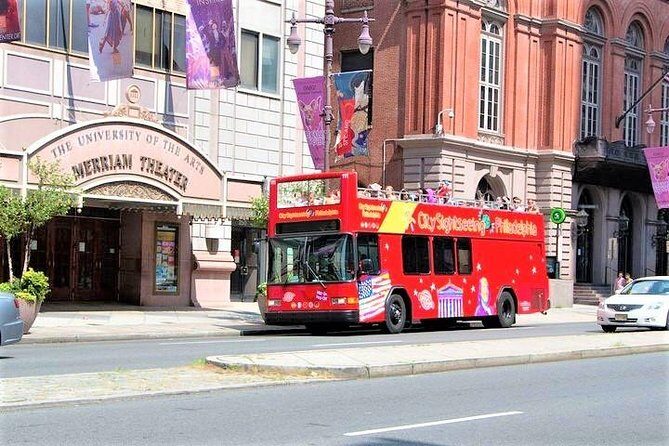
As the tour continues, you move into the part of Philadelphia that people come for on first-timer mode. This is where you’ll either stay on the bus for the ride-and-learn effect, or hop off for closer exploration.
Key stops in this band include:
- Rodin Museum: a classic art stop that fits well if you like sculpture and well-kept grounds.
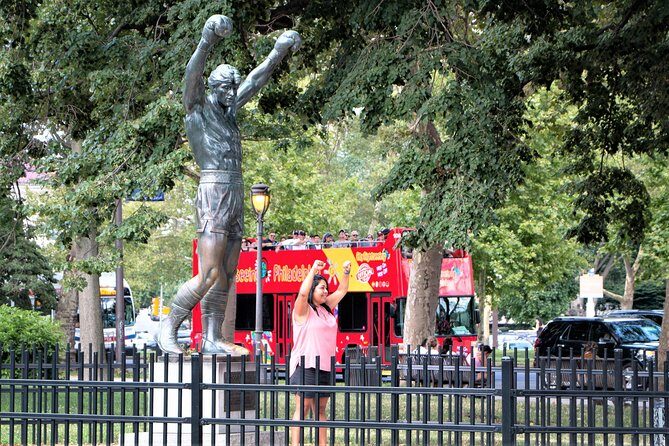
- Philadelphia Museum of Art: the big draw for many people, especially for the famous Rocky steps area nearby. If you want a clean photo, don’t count on doing it from the moving bus. Plan to hop off for the climb.
- Eastern State Penitentiary (admission not included): this one is a powerful shift in tone—less “monument” and more “story.” It’s worth building your schedule around if you want more than a quick look.
- Please Touch Museum: a family-friendly reset, especially if you have kids who need something hands-on.
- Zoological Drive: an open-air feel between major draws, useful for a breather.
This section works best when you decide what kind of day you’re having. If you want “icon photos,” prioritize the Museum of Art and Rocky steps. If you want “dark history,” build time around Eastern State Penitentiary. If you’re traveling with kids, plan your hop-offs so energy stays high before you hit the more time-consuming museum stops.
Franklin Institute to Penn’s Landing: science, odd museums, and big-city views
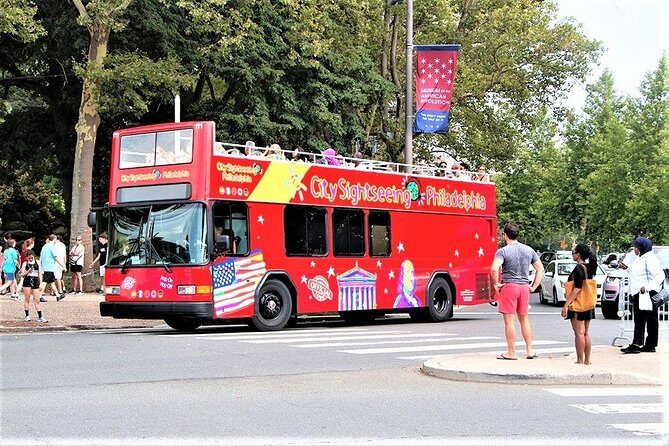
From here, the route starts mixing serious learning with a few offbeat stops. That balance is a big reason this bus is worth considering.
Stops you’ll hit include:
- The Franklin Institute (admission not included): a great match for anyone who likes science that feels visual and fun.
- The Mütter Museum at The College of Physicians of Philadelphia (admission not included): this is the “you’ll remember this” stop. It’s unusual, and it tends to pull in people who want the strange side of medical history.
- One Liberty Observation Deck (admission not included): a chance to look down on the city. Observation decks are especially useful if you want a “where everything fits” view before your final day plans.
- Avenue Of The Arts: an in-between stretch that adds texture to the city’s layout and helps you understand where things cluster.
- Penn’s Landing: waterfront energy. Even if you just walk a bit, it gives the route a natural ending point.
If you’re trying to maximize value, use this band as your “choose your add-ons” moment. The bus gets you there; you decide which sites are worth paying for. The Franklin Institute and Mütter Museum are perfect examples—if those fit your interests, hop off early. If not, you can pass through and spend more time where your curiosity is strongest.
Other city tours we've reviewed in Philadelphia






Liberty Bell finale: how to end strong on the route
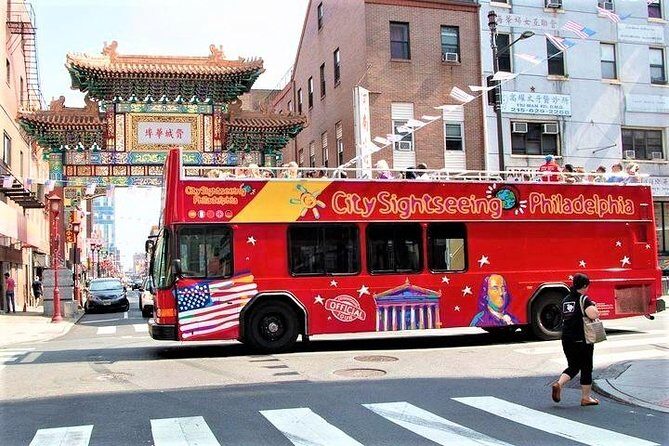
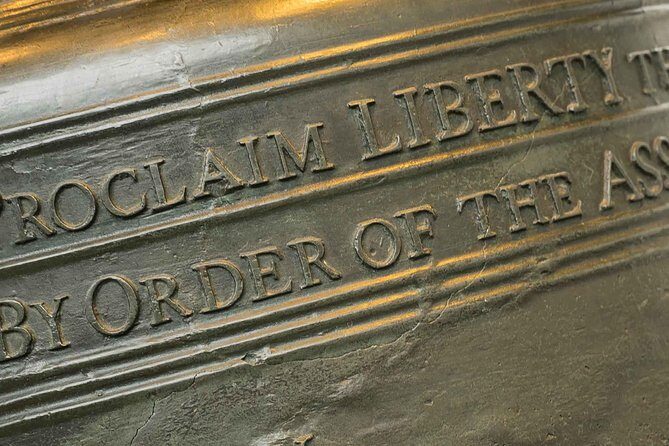
The last major stop on the loop is Liberty Bell. It’s the kind of landmark that’s easy to rush past—so don’t.
I recommend treating the Liberty Bell as your payoff. Ride through, get the context from the live narration, then hop off when you’re ready to slow down and take your time. If you’re trying to do everything in one day, this is where a lot of schedules break. Using a hop-off pass helps you avoid that problem because you can split priorities across different hours and even different days.
Also, if you care about photos, remember this: the ride is moving. More than one rider noted that fast driving can make it hard to get a great shot of big highlights. Your fix is simple—plan one deliberate hop-off for your must-have pictures, not ten quick ones.
How to use a 1, 2, or 3-day pass without wasting time
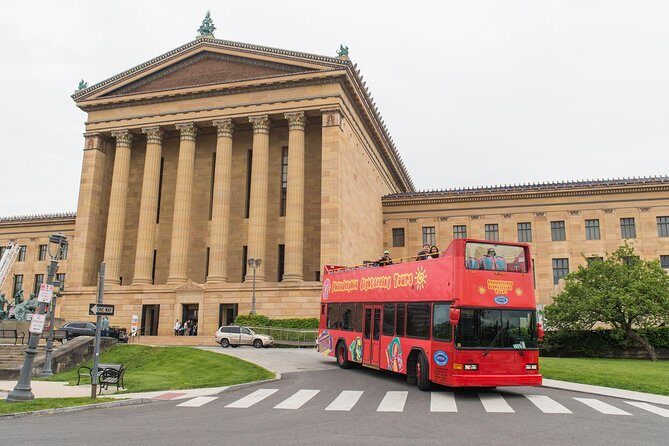
This tour comes as 1, 2, or 3-day options, and the flexibility is the point. You get a loop that runs about 1 hour 30 minutes (approx.), but you’re not limited to one loop per day. The best strategy is to think in layers.
A smart 1-day plan:
- Do the loop once to learn the city’s layout.
- Hop off for one museum cluster (like Museum of Art + Eastern State, or Franklin Institute + one other).
- Make sure you end at Liberty Bell for your final walk.
A stronger 2-day plan:
- Day one: markets and central landmarks (Chinatown, Reading Terminal Market, Love Park, cathedral).
- Day two: museums and paid add-ons (Museum of Art/Rocky steps area, Franklin Institute, and/or Mütter Museum depending on interests).
A useful 3-day plan:
- First day gets bearings.
- Second day is for the “main icons.”
- Third day is for anything you didn’t have time to repeat—especially if you want quieter museum time or a second pass for photos and viewpoints like One Liberty Observation Deck and the waterfront at Penn’s Landing.
If you do it this way, you’ll feel less rushed and more in control. The bus becomes your moving home base, not your task master.
Getting the most from live guides and audio
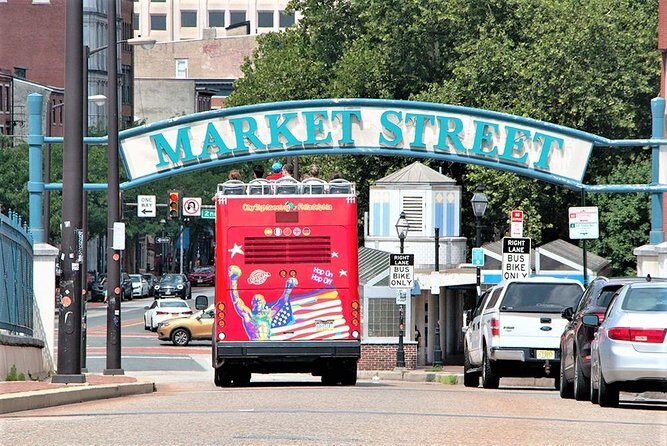
You’ll get professional local guides doing live commentary for the route. That live layer is a big reason this style of tour works: you don’t just read placards—you hear the story, the connections, and the little “why it matters” notes.
Audio guides are available in English, French, German, Spanish, and Mandarin. That’s especially useful when the live narration is hard to catch (crowds, wind on the open sections, or your seat placement). You can switch to audio when it’s quieter and keep listening without missing the timeline.
Two practical tips based on real-world experience:
- If the guide’s pace feels fast, don’t panic. Focus on catching names of landmarks and neighborhoods, then replay details through the audio after you hop off.
- When you’re serious about a stop, ask for it. Some riders noted that stop announcements aren’t always super clear from every seat, so it’s worth confirming when your stop is coming.
If you’re lucky enough to be on a bus with a guide like Dave or Mike, expect a mix of humor and nonstop energy. And if you get a guide such as Sebastian with a driver like Chris, the ride tends to feel extra smooth and confident.
Practical tips: tickets, stop numbers, photos, and weather
Let’s talk about the stuff that can actually make or break your day.
First: tickets. The tour uses mobile tickets, but boarding can still require printed tickets in some cases. Don’t assume the QR code alone will always be enough at the curb—bring a backup so you’re not losing time at the door.
Second: stop numbering. Stop numbers can be confusing because they may not match other hop-on companies. Plan around the landmark name, not only the number. Then double-check on arrival.
Third: photos from the bus. Big highlights like the Rocky steps area are hard to photograph from a moving ride. If you want a good shot, plan a hop-off and do it properly. Treat the bus as transport and context. Use your feet for the “stand here and shoot” moments.
Fourth: rain. The tour requires good weather, and rainy days can reduce comfort depending on bus conditions. I’d pack a poncho, and if you’re sensitive to getting wet, keep your museum hop-offs for the dry moments and accept that outdoor stops may feel less pleasant.
Is this tour worth booking for your Philly trip?
I think this is a strong choice if you want:
- an easy way to see the main sights without mapping every route yourself
- a plan that fits a family day (especially with Please Touch Museum on the route)
- a flexible way to choose which paid sites are worth your time, since admission is not included
I’d skip (or at least rethink) this tour if:
- you want long, detailed museum time with no movement between stops
- you’re traveling in poor weather and can’t be flexible
- you hate the idea of “ride first, decide later” pacing
If you’re balancing first-time orientation with real sightseeing stops, this hop-on hop-off setup is a practical way to get the city’s strongest highlights in a single day—then come back for what you loved most.
FAQ
How long is the hop-on hop-off loop?
The bus route runs for about 1 hour 30 minutes (approx.) per loop.
What time does the tour start?
The start time is 9:30 am.
Where do I meet the tour?
You start at the City Sightseeing kiosk at the Bourse Building (Stop 1).
Are audio guides included, and what languages are available?
Yes. Audio guides are included and are available in English, French, German, Spanish, and Mandarin.
Is admission to attractions included?
No. Attraction admission tickets are not included.
How many days are the tickets valid?
You can choose a pass for 1, 2, or 3 days, and tickets are valid based on calendar dates.
Can I hop off and get back on later?
Yes. The whole point is hop-on hop-off freedom, so you can get off when you want and rejoin later.
Do I need a mobile ticket?
A mobile ticket is part of the offering, and you’ll receive confirmation at booking.
Is service available for people traveling with service animals?
Yes. Service animals are allowed.
Does the tour run in bad weather?
The experience requires good weather. If it’s canceled due to poor weather, you’ll be offered a different date or a full refund.